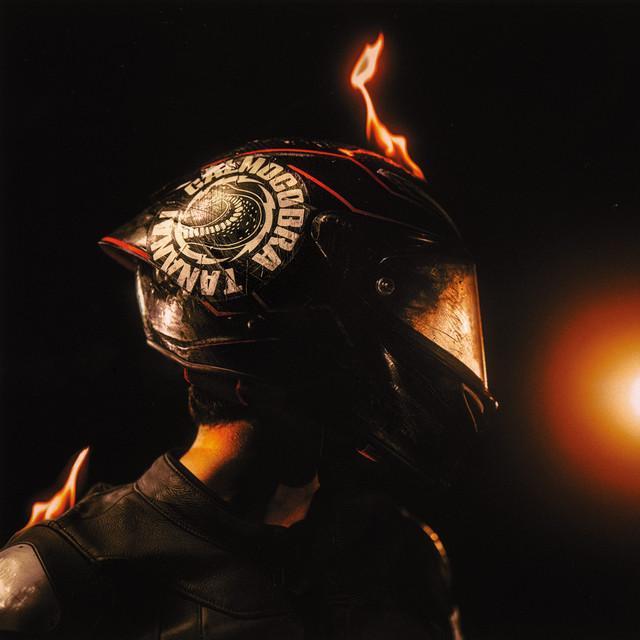
Why 'GUARDA COSA HAI FATTO' Feels So Sudden
The meaning of GUARDA COSA HAI FATTO Tananai comes down to one big emotional idea: love can arrive in a flash, then quietly remake a person’s whole inner life. In this song, they present romance not as a slow, careful process, but as an event that hits fast and keeps echoing.
"GUARDA COSA HAI FATTO" - Tananai
C'era Italia-Inghilterra nel bar
Ero in fila, volevi da bere
Loading lyrics...
Unable to load lyrics
We're unable to display the lyrics at this time. Please try again later.
Rather than sounding cynical or guarded, the track feels amazed by its own intensity. The singer is looking at a partner and, in effect, saying: look at the person they have become because of this relationship.
A Love Story That Starts in Public
One reason the song feels vivid is its opening scene. The relationship begins in a crowded, ordinary place: a bar during the Italy-England match. That detail matters because it grounds the emotion in real life. This is not a fantasy setting. It is noise, strangers, drinks, and chance.
From there, the lyrics move quickly from first contact to emotional dependence. The song says they fell in love immediately, and that speed is the point. When Tananai uses phrases like Ci siamo innamorati subito
, he gives the story a breathless start, then spends the rest of the track exploring what that instant connection did over time.
The Hook Is Wonder, Not Blame
The repeated title phrase, Guarda cosa hai fatto
, could sound accusatory on paper. In the song, though, it plays more like affectionate shock. He is not saying, “Look what damage you caused.” He is saying, “Look how deeply you changed me.”
That shift is the heart of the chorus. The partner has altered his habits, emotions, and even his sleep. The line about sleeping only when the other person sleeps suggests closeness so strong it borders on fusion. In plain English, love here is not just attraction; it is shared feeling, shared rhythm, shared vulnerability.
How the Verses Build the Meaning
The lyrics tell a compact relationship arc:
- Two people meet by chance.
- Attraction happens instantly.
- Time passes, marked by many sunsets.
- The feeling still seems fresh, almost unreal.
- Separation becomes hard to imagine.
That third step is especially important. When the song mentions seicento tramonti
, it uses a simple image to show duration. Many days have passed, yet the relationship still feels like a second. That contrast between long time and instant feeling captures how intense love can distort memory.
Small Images, Big Feelings
Tananai writes with everyday images rather than abstract speeches. Rain, slow dancing, flowers, sunsets, and sleep all help explain the emotional state.
When the song says Mentre piove metti un lento
, it turns a gloomy scene into tenderness. Rain usually suggests sadness or heaviness, but the slow song changes the mood. The partner seems able to soften difficult moments.
Flowers appear near the end in a compliment that is sweet but slightly old-fashioned. That choice fits the song’s tone. It is sincere and open, not ironic. Even nostalgia enters gently. When the other person leaves, he grows wistful, which shows that love has made absence feel larger than before.
What the Sound Adds to the Lyrics
The track’s meaning is not only in the words. It also lives in the sound. Tananai is known for blending Italian pop songwriting with modern polish, and this song leans into warmth instead of edge. The performance feels intimate, letting emotion rise without becoming theatrical.
Interpretation: The likely purpose of that softer production is to make the relationship feel lived-in. A harsher or more explosive arrangement might have pushed the song toward heartbreak or obsession. Instead, the melody carries affection, gratitude, and disbelief.
The chorus is built to feel open and memorable. That matters because the song is about emotional revelation. A big, singable refrain mirrors the idea that private feelings have become impossible to hide.
Artist Context Helps Explain the Tone
Tananai built his reputation as a flexible pop artist who can move between irony, vulnerability, and catchy mainstream writing. That matters here because GUARDA COSA HAI FATTO lands on the more tender side of his style. The writing credits provided for the song—Alberto Cotta Ramusino, Davide Simonetta, and Paolo Antonacci—also point to experienced pop craftsmanship, which helps explain the clean structure and direct emotional language.
For U.S. listeners, the song may stand out because it does not overcomplicate itself. It trusts simple phrases and concrete scenes. That gives the feeling room to breathe.
Two Strong Ways to Read It
Interpretation 1: A pure love song
The most direct reading is that this is a celebration of being changed by love. The singer is grateful, amazed, and emotionally exposed. He sees the relationship as a force that made life fuller.
Interpretation 2: Love mixed with fear
There is also a more fragile reading. Some lines suggest not just closeness, but dependence. Needing not to say goodbye and tying sleep to another person hint at a bond so strong it can become scary. In that reading, the song is beautiful because it admits that joy and fear often arrive together.
Why the Song Connects
The meaning of GUARDA COSA HAI FATTO Tananai resonates because it captures a common experience in very human terms: meeting someone in an ordinary moment, then realizing nothing feels ordinary anymore. Its power lies in that contrast.
The song does not need grand metaphors to work. It only needs one central truth: sometimes love changes a person so completely that the only response is wonder. They look at the other person, then at themselves, and can only say: look what happened.
Disclaimer: This interpretation is based on the lyrics, musical cues, and available song context. As with any song, listeners may hear meanings that differ from this reading.








