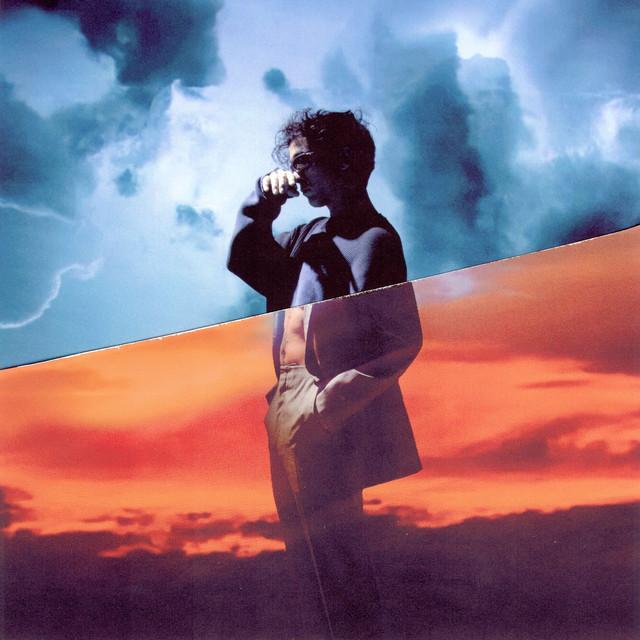
TRE QUARTI by Tananai: Love at Three-Quarter Strength
The meaning of TRE QUARTI Tananai comes into focus fast: this is a breakup song about wanting someone back while knowing they may be part of the problem. It does not present heartbreak as noble or tidy. Instead, it sounds impulsive, embarrassed, and painfully honest in flashes.
"TRE QUARTI" - Tananai
Che non basta scaldarti la pizza per dirmi che adesso cucini
E mi stanno sul cazzo più o meno tre quarti di tutti i tuoi amici
Loading lyrics...
Unable to load lyrics
We're unable to display the lyrics at this time. Please try again later.
Tananai, the Milan-born Italian singer-songwriter Alberto Cotta Ramusino, built a reputation for mixing sharp pop instincts with vulnerability, as noted in artist bios and festival coverage from sources like Sanremo and Universal Music Italia. That context matters here. “TRE QUARTI” feels like one of their confessional songs: catchy on the surface, but emotionally unstable underneath.
Why This Song Hurts in a Different Way
At its core, the song is about incomplete love. The narrator is not simply missing an ex. They are stuck in a cycle of bad habits, poor timing, and emotional dependence. Even when they admit fault, they keep circling back.
One key line complains about the other person’s world, especially tre quarti
of their friends. Paraphrased, that detail shows pettiness and intimacy at once. They know the ex closely enough to hate parts of their social circle, which suggests this relationship was serious and messy, not casual.
Interpretation: the title “TRE QUARTI,” or “three quarters,” likely points to incompleteness. Nothing here feels whole. The romance is not over emotionally, but it is not functioning either. The narrator is living in fractions.
A Narrator Who Knows They Are Failing
What makes the song stronger than a simple plea is self-exposure. The narrator admits they have told lies before and repeated the same lines to others. They also realize it is not fair to emotionally dump everything on the person they hurt.
That self-awareness matters. When they say they feel like un mostro
, the idea is not literal. They see themselves as toxic, confused, and hard to love. But the song never turns into a clean apology. They are still calling, showing up, spiraling, and asking for comfort.
This is why the voice feels unreliable in a human way. They probably mean what they say in the moment. But the lyrics suggest they are driven by panic as much as love.
Night Roads, Rain, and Wrong Addresses
The song’s best writing turns emotional chaos into physical scenes. The narrator is at an autogrill
, then at a traffic light, then under a building, unsure whose home they are even near. They also mention seeing double. These details create a blurry map of heartbreak.
The story in motion
A simple timeline helps explain the song:
- They argue and judge small domestic signs, like reheated pizza pretending to be real change.
- They admit the relationship keeps breaking for trivial reasons.
- They drive at night, disoriented and restless.
- They end up close to the ex, but still emotionally and physically lost.
- They reduce everything to one desire:
voglio te
.
Rain deepens that feeling. When they ask if the storm will stop, the weather mirrors the emotional state. The outside world seems stuck in the same loop as the relationship.
What the Chorus Reveals
The chorus is simple, and that is why it lands. After all the sarcasm, confusion, and self-loathing, the message narrows to absence. They miss this person badly. They are broken, sleepless, and desperate to say it directly.
The repeated idea non voglio un'altra
is not subtle, but it is effective. Paraphrased, the narrator is rejecting the usual post-breakup escape route: distraction. They do not want to replace the relationship. They want to undo the loss.
Interpretation: this is less a promise of mature love than a cry from inside emotional withdrawal. That tension makes the song believable. It sounds like someone reaching for clarity while still in the middle of the wreckage.
How the Sound Carries the Meaning
The writing credits list Alberto Cotta Ramusino, Davide Simonetta, and Paolo Antonacci, three names strongly associated with contemporary Italian pop songwriting. Simonetta and Antonacci are both well-known writers and producers in that space, with credits documented by industry databases like SIAE and label pages.
Musically, “TRE QUARTI” matches its theme through contrast. The production is sleek and melodic, but the emotional content is unraveling. That push-pull matters. Bright pop structure keeps the song moving while the lyrics describe someone stalled in the night.
There is also a club-aftertaste in the language around cocktails and after-hours scenes. That atmosphere suggests comedown, not celebration. Even when the track feels polished, the inner world feels hungover.
The Small Images That Say the Most
Several details give the song its emotional punch:
- reheated pizza as fake maturity
- old photos kept out of respect
- forgotten doorbells and wrong buildings
- sleeplessness, rain, and blurred vision
Each image is ordinary. That is the point. The song does not use grand poetry to describe heartbreak. It uses awkward, mundane evidence that this relationship was real enough to leave debris everywhere.
A useful alternate reading
Interpretation: the song may also be about emotional immaturity more than lost romance itself. In that reading, the ex becomes the person who exposes the narrator’s incomplete growth. They do not just miss them. They miss the version of themselves that felt more stable when they were together.
Final Take on the Meaning of TRE QUARTI Tananai
The meaning of TRE QUARTI Tananai is not just “I miss my ex.” It is about being incomplete after love, then realizing they may have been incomplete during it too. The narrator wants reunion, but the song keeps hinting that desire alone is not repair.
That is why “TRE QUARTI” lingers. It captures the embarrassing middle stage of heartbreak, when insight has arrived but change has not.
Disclaimer: This interpretation is based on the lyrics, songwriting context, and the song’s musical presentation. As with any song, listeners may hear meanings that differ from the artist’s private intent.








