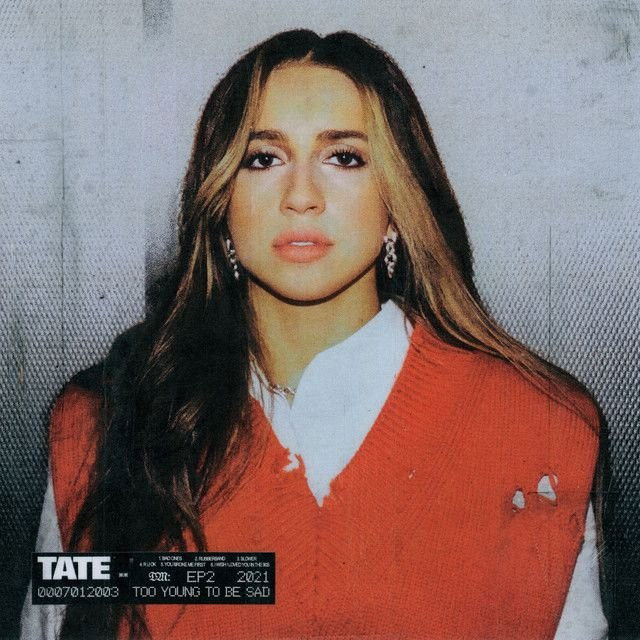
Why Tate McRae Wishes Love Stayed in the '90s'
The meaning of wish i loved you in the 90s Tate McRae comes down to a painful idea: sometimes a relationship feels less broken by the people in it than by the culture around them. In this song, they do not just miss a person. They miss a version of love that feels slower, clearer, and more honest.
"wish i loved you in the 90s" - Tate McRae
But you did it anyway
So how am I supposed to feel when you said, "It's so real," to my face?
Loading lyrics...
Unable to load lyrics
We're unable to display the lyrics at this time. Please try again later.
Rather than treating the 1990s as a literal golden age, the song uses that decade as a dream world. It becomes a symbol for romance without mixed signals, speed, and emotional burnout. That is what gives the track its hook: it sounds nostalgic, but the real target is present-day disappointment.
The Core Meaning Hides Inside a Time Fantasy
At the start, the lyrics describe trust falling apart. The other person says the right things, but their actions do not match. Promises fail, honesty slips, and the singer is left asking how anyone is supposed to respond when this kind of behavior feels normal.
That is the song’s first big theme: modern love can feel so unstable that betrayal starts to seem routine. When the lyric says it's so real
, the phrase lands as bitter irony. The relationship claims depth, yet it keeps producing confusion.
Interpretation: the song is not only angry at one partner. It is also frustrated with a dating climate where emotional inconsistency feels common and even expected.
Watch the official wish i loved you in the 90s
music video
A Chorus About Timing, Not Just Heartbreak
The chorus turns private pain into a bigger idea. When they wish they had loved this person in another decade, they are imagining a world where the relationship would have had a better chance. The line wrong place, wrong time
matters because it shifts the blame away from simple incompatibility.
In other words, the singer does not fully say, “We were wrong for each other.” They suggest, instead, that the conditions around love are wrong now. The phrase life wasn't a blur
supports that feeling. It paints the present as fast, smeared, and emotionally hard to hold onto.
Interpretation: this is a breakup song, but it also plays like a cultural critique. The 1990s are imagined as a place where feelings could breathe.
The Verses Show Romance Losing Its Shape
One of the smartest parts of the song is how it uses small details instead of big speeches. The narrator asks what happened to the guy pickin' up the girl
. That image is simple, but it says a lot. They are grieving old-fashioned effort, attention, and basic care.
Then the song contrasts that image with motion and silence: driving fast, saying little, staying emotionally unreachable. The love story is not exploding in dramatic fashion. It is thinning out.
That is why the song feels relatable. Many pop heartbreak songs focus on cheating or betrayal alone. This one also notices the quieter damage: the slow replacement of tenderness with distraction.
Dreaming of '92 Means Dreaming of Clarity
The lyric about staring at the sky like '92
adds to the song’s emotional picture. It suggests records spinning, open air, and room to think. Whether or not the decade was truly like that is almost beside the point. What matters is the fantasy of peace.
This nostalgia is selective on purpose. The singer is building an emotional escape hatch. They are alone, replaying what went wrong, and the 1990s become a private movie where love feels less complicated.
Wish I loved you in the '90s
Bet it wouldn't hurt
In those two short lines, the chorus says everything important. The fantasy is not really about fashion, music, or trends. It is about reducing pain.
The Sound Helps Sell the Illusion
The song was written by Tate McRae, Gregory Kurstin, and Maureen McDonald, according to the credits provided. Kurstin is known for polished pop production and songwriting work across mainstream music, including collaborations documented by sources like the Recording Academy. That background fits the song’s clean but emotional shape.
Musically, the track leans into a glossy pop feel rather than a fully retro recreation. That choice matters. If the production had gone all-in on obvious 1990s imitation, the song might feel gimmicky. Instead, it sounds modern while singing about a lost era, which creates tension between fantasy and reality.
Interpretation: that contrast supports the lyric’s meaning. They are still trapped in the present, even while imagining escape from it.
The Sharpest Line in the Song
The emotional center may be the confession that they fell in love with the pain
. This is more than a complaint about one bad relationship. It hints that both people have gotten used to unhealthy intensity.
That line changes the whole song. Suddenly, the wish for the 1990s is not just romantic nostalgia. It may also be a wish to unlearn toxic habits and rediscover what love is supposed to feel like.
This makes the track more self-aware than it first appears. The narrator is hurt, but they are not totally innocent either. They recognize a pattern, and that gives the song depth.
Why the Song Connects So Easily
For many listeners in the United States, the song works because it translates modern dating fatigue into a clear image. Instead of listing apps, trends, or labels, it uses one emotional shortcut: another decade. Almost everyone understands what that fantasy means.
The meaning of wish i loved you in the 90s Tate McRae is ultimately about longing for a version of love that feels human again. Whether that version ever truly existed is left open. The song knows nostalgia can be a myth, but it also knows myths can reveal real needs.
Final Thought
Their message is simple and sad: sometimes people do not just miss someone; they miss the conditions that might have made the love survive. In that sense, the 1990s are less a decade than a dream of emotional clarity.
Disclaimer: This interpretation is based on the lyrics provided and publicly known songwriting context. As with any song, meaning can vary by listener.







