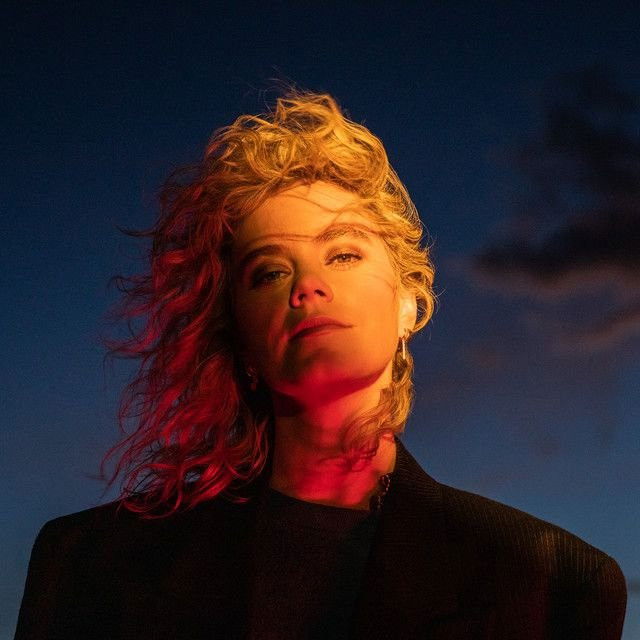
Canticle by TAYA, Jon Guerra
A quiet song can carry a big promise. In Canticle, TAYA and Jon Guerra shape a simple, repeatable prayer into something both intimate and communal. For listeners in the U.S. searching for the meaning of Canticle TAYA, Jon Guerra, the heart of it is devotion made practical—asking for guidance and protection in every moment of the day.
"Canticle" - TAYA, Jon Guerra
Illuminate and guide me
Christ as a shield, overshadow me
Loading lyrics...
Unable to load lyrics
We're unable to display the lyrics at this time. Please try again later.
A Prayer You Can Sing All Day
Canticle reads like a sung liturgy. The phrases are brief and memorable, designed to be recited or sung in daily life. When the singer affirms Christ as a light
, they are asking for illumination—moral clarity, calm direction, and help to see the next step.
The second anchor, Christ as a shield
, moves from guidance to guarding. The song isn’t triumphalist; it is humble and steady. It recognizes real fears and counters them with a practiced trust.

Watch the official Canticle
music video
Who’s Speaking—and To Whom
The voice is first-person and devotional. They pray in the present tense, placing themselves under care. Phrases like within and without me
point to God’s presence both inside the heart and surrounding the body.
When the lyric invokes coverage on my left and my right
, it pictures an everyday walk—standing, traveling, working—held together by a nearness that is not just spiritual feeling but a declared reality. The prayer is to Christ, but it’s also overheard by a congregation, inviting shared faith.
What the Song Is Really About
Interpretation: Canticle is a compact “rule of life.” By repeating images of light and shielding, it trains the singer to return, breath by breath, to reliance on God. It also echoes the structure of historic prayers used for centuries in the church, which helps explain its calm, chant-like rhythm.
In one striking line—lowly and meek, yet all powerful
—the song holds together two truths at once: Jesus’ humility and his authority. That tension is the center of Christian comfort. The one who bends low to serve also has power to protect.
Symbols and Sacred Motifs Decoded
- Light: guidance, wisdom, and the ability to see clearly in confusion.
- Shield: safety, defense, and the courage to face the day.
- Within/Without: God’s indwelling presence and surrounding care.
- Left/Right: total coverage—front, back, and all directions by implication.
- Standing/Kneeling: ordinary life and explicit worship, both under grace.
- Day/Night: constancy. The prayer is for every hour, not only Sunday.
Taken together, these images sketch a circle of presence around the believer. The language is simple on purpose, so it lands in memory and returns in needed moments.
How the Sound Serves the Prayer
Musically, Canticle leans into restraint. The melody stays approachable, and the arrangement leaves room for breath and response. Repetition functions musically and spiritually: each return to a key line deepens focus rather than adding new information.
TAYA’s straightforward delivery keeps the emphasis on the words, while Guerra’s hymn-craft favors clear contours over vocal showmanship. The result feels like a modern chorale—built for rooms that want to sing together, as well as for headphones during a morning walk.
A Simple Narrative in Four Moves
- Invocation: the singer names who Christ is (light, shield) before asking for anything.
- Enclosure: they picture protection around every side, including
on my left and my right
. - Communion: they imagine Christ present in conversation—both in their own speech and in the words spoken to them.
- Perseverance: they carry the prayer through the day and into the night, implying trust that endures.
This arc is less a plot than a pattern—something to adopt and repeat.
Why It Resonates Now
Interpretation: In an anxious age, Canticle answers the urge for a portable, trustworthy ritual. Its modest language lowers the bar to participation. You don’t need musical training to sing along; you only need the desire to steady your attention on God.
For listeners familiar with ancient Christian prayers, the phrasing will feel at home among classic litanies. For newcomers, the song offers a doorway into that tradition without jargon.
How to Hear It in Daily Life
- Morning: sing the first lines as a daily “reset.”
- Work or school: recall
Christ as a light
before decisions. - Commute: breathe with the rhythm of the refrain to slow down.
- Evening: rest under
Christ as a shield
and let the day go.
Small, repeated practices shape big outcomes. Canticle is built for that kind of slow, faithful shaping.
Takeaway
The meaning of Canticle TAYA, Jon Guerra lands in one idea: surround your day with the presence of Christ. Through images of light, shielding, and nearness, the song turns belief into a habit of heart.
Disclaimer: Song interpretations reflect informed analysis and may differ from the artists’ own intentions.








