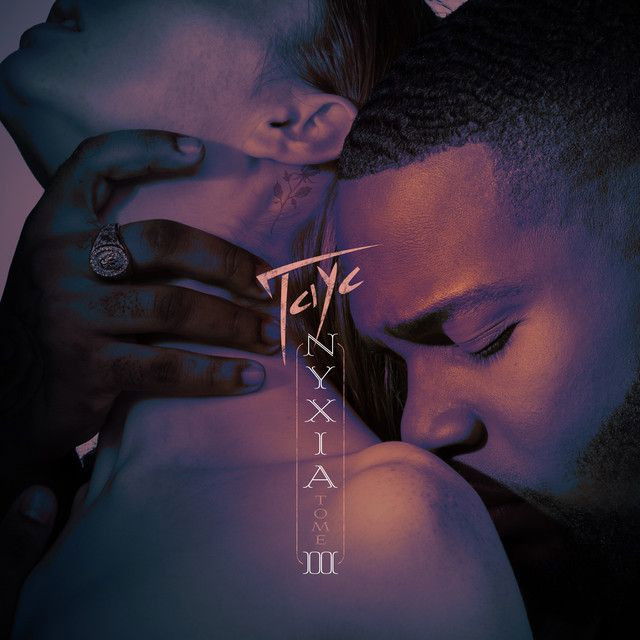
Why 'Moi, je prouve.' Hurts So Much
The meaning of Moi, je prouve. Tayc, Barack Adama centers on a brutal imbalance: one person keeps giving, explaining, and staying loyal, while the other seems distant, careless, and unfaithful. It is a breakup song, but more specifically, it is a song about emotional labor. They are not just heartbroken. They are tired of having to prove love that should already be obvious.
"Moi, je prouve." - Tayc, Barack Adama
Toi, tu n'en as jamais fais autant
Moi chaque jour je prouve, oui
Loading lyrics...
Unable to load lyrics
We're unable to display the lyrics at this time. Please try again later.
A Love Story Turned Into a Trial
From the opening, the song frames love as self-harm by sacrifice. The speaker says they hurt themselves for the relationship, while the other person never matched that effort. When the chorus repeats je prouve
, the point is not pride. It sounds more like exhaustion. They keep showing devotion, but nothing changes.
That repeated idea matters because it turns romance into a courtroom. The speaker feels judged, measured, and forced to defend their sincerity every day. In plain terms, the relationship no longer feels mutual. It feels like a test they can never pass.
Interpretation: This is why the title phrase lands so hard. “I prove it” is not a victory statement. It is the voice of someone trapped in a relationship where love has become evidence.

Watch the official Moi, je prouve.
music video
The Heart of the Conflict
The verses make the imbalance concrete. The speaker cannot sleep, feels unheard, and keeps chasing affection that never fully arrives. The phrase parler dans l'vent
suggests that every attempt to communicate disappears without effect. They are speaking, explaining, even “miming,” and still not being understood.
This makes the song feel bigger than a simple cheating narrative. Yes, betrayal is part of it. But the deeper wound is useless communication. They have tried words, patience, and loyalty, yet none of it repairs the bond.
A short stretch of the hook captures that spiral:
Je n'en dors plus la night
Je cherche ton amour
These lines point to insomnia and longing, but also to dependence. They are losing peace while still searching for tenderness from the same person causing the pain.
Accusation, Humiliation, and Public Damage
As the song moves on, it becomes sharper. The speaker stops only pleading and starts charging the other person with real harm. They describe empty talk, weak excuses, and behavior that embarrasses them in front of friends. The mention of names and social media “stories” makes the hurt feel public, not private.
That detail is important. A lot of breakup songs stay inside the couple. Here, the damage spills outward. Friends know. Other men are named. The speaker's pride has been hit as hard as their heart.
When they say toutes les fautes
, the message is extreme but emotionally clear: in their eyes, the other person crossed every line. Whether every accusation is literally true is less important than the emotional reality. They feel betrayed enough that the entire relationship now looks contaminated.
What Tayc Brings to the Meaning
Tayc is known for mixing romance, vulnerability, and Afro-influenced pop/R&B textures, a style often tied to what French-speaking audiences call Afro-love. That context helps explain why this song hits differently. Instead of cold revenge, Tayc leans into wounded sensuality. Even while accusing, the speaker still sounds attached.
That tension is central to the meaning of Moi, je prouve. Tayc, Barack Adama. They are not emotionally detached enough to simply walk away. They are still fascinated, still searching, still trying to be chosen by the person they already chose.
Barack Adama's role strengthens the edge of the record. His presence adds firmness and confrontation, helping the song move from sadness into blame. The result is a duet in spirit, even if the main emotional line stays with the wounded lover.
How the Sound Carries the Pain
Even without quoting much, listeners can hear how the production supports the story. The melody is fluid and emotional, but the beat keeps a steady, almost restrained pulse. That contrast mirrors the lyric: the speaker is unraveling inside, yet the song keeps moving forward.
Tayc's vocal delivery is especially important. He often sings with a soft ache, stretching syllables so the emotion lingers. In this track, that style makes phrases like amour, oui, amour
feel obsessive rather than comforting. The word “love” is repeated, but it does not sound secure. It sounds hunted.
Interpretation: The production suggests someone trying to stay composed while emotionally collapsing. The groove is controlled; the voice is not.
A Few Key Images Decoded
Several motifs shape the song's meaning:
- Sleeplessness: Love has become anxiety.
- Wind: Communication goes nowhere.
- Stories/social visibility: Betrayal is witnessed by others.
- Names of other men: Jealousy turns suspicion into humiliation.
- Proof: Devotion feels like unpaid labor.
Together, these images make the song less about romance at its peak and more about love after trust has broken.
The Most Plausible Reading
The clearest reading is that the song shows a person stuck between desire and dignity. They still want the relationship, but they also want the truth acknowledged. That is why the song alternates between confession and attack. One minute they are still running after “us.” The next, they are listing the other person's failures.
A second reading is possible too. Interpretation: the song may also criticize modern, performative love, where appearances, social media, and emotional games replace honesty. The reference to public visibility supports that idea.
Final Take on the Song's Meaning
In the end, the meaning of Moi, je prouve. Tayc, Barack Adama is about what happens when love stops being shared and starts being demanded as proof. The speaker is drained, jealous, ashamed, and still attached. That mix is what gives the song its sting.
It does not present heartbreak as quiet sadness. It presents heartbreak as overexertion: too much explaining, too much hoping, too little return.
Disclaimer: This interpretation is based on the lyrics provided and general artist context. Song meaning can remain subjective, and different listeners may hear different emotional truths in it.








