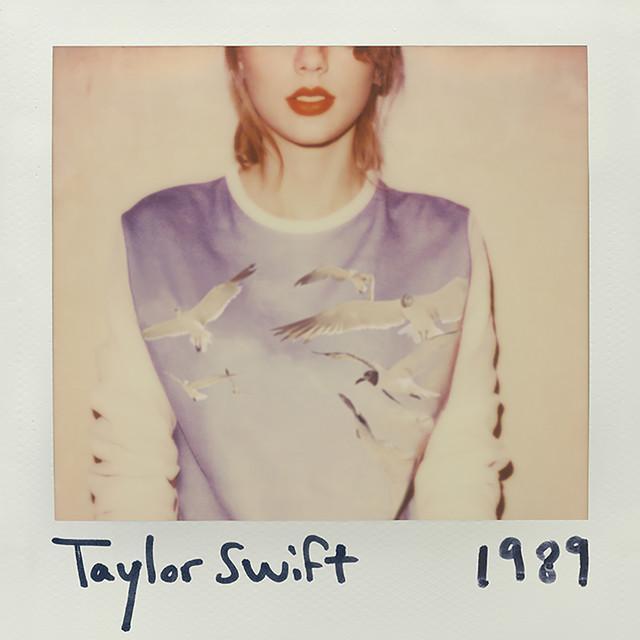
The Meaning of 'Wildest Dreams' by Taylor Swift
A shimmering breakup ballad with a camera-ready heart, “Wildest Dreams” turns a short-lived romance into a lasting image. For readers searching the meaning of Wildest Dreams Taylor Swift, this guide breaks down who’s speaking, what the symbols say, and how the sound completes the story.
"Wildest Dreams" - Taylor Swift
Drive out of the city away from the crowds"
I thought, "Heaven can't help me now"
Loading lyrics...
Unable to load lyrics
We're unable to display the lyrics at this time. Please try again later.
A promise to memory, not to forever
At its core, the narrator accepts the affair’s shelf life but bargains for legacy. They ask, Say you’ll remember me
—not to save the relationship, but to fix the best version of it in the other person’s mind. The song treats memory like a keepsake that can outlast the fling.
Interpretation: It’s a self-aware love story that swaps happily-ever-after for a cinematic snapshot. The narrator controls what’s remembered and what’s left out.
Watch the official Wildest Dreams
music video
Who’s speaking, and what they already know
The voice is intimate and first-person, someone drawn to a “bad” match yet fully aware of the ending. They sense the risk before the rush—essentially, I can see the end
—and still choose the moment. That realism separates it from earlier fairy-tale Swift songs; this narrator knows love and consequence can arrive together.
Interpretation: The song reads like a confession told to a future—asking a partner to honor the highlight reel when the credits roll.
Snapshots and symbols that fix a memory
The chorus sketches a portrait: standing in a nice dress
, red lips and rosy cheeks
, staring at the sunset
. These details aren’t just pretty; they are deliberate framing devices. They suggest old-Hollywood polish, dusk tones, and soft-focus romance—the exact look the narrator wants the other person to keep.
Tension runs through the verses. A whispered boundary—no one has to know
—implies secrecy and risk. By the final turn, the narrator lowers the stakes from reality to fantasy with even if it’s just pretend
. That pivot gives the song its bittersweet glow: if permanence is impossible, the dream will do.
How the sound carries the dream
Produced by Max Martin and Shellback for 1989, the track blends synth-pop and dream-pop with a power-ballad spine. Programmed drums pulse like a heartbeat; mellotron and live strings add lift; Swift sings in breathy, cinematic phrases that feel close-up yet hazy. Critics noted the sultry mood and a double-time bridge that jolts the song’s memory montage.
Here’s the bridge’s rush in one breath:
You’ll see me in hindsight Tangled up with you all night Burnin’ it down
Interpretation: The arrangement mirrors the plot. Verses drift in slow motion, the chorus swells with strings, then the bridge accelerates as memories ignite—before the final fade to fantasy.
Onscreen romance and offscreen debate
The video, directed by Joseph Kahn, stages a 1950s Hollywood affair in Africa—glamour, savannas, and star-crossed leads. It fit the song’s cinema of longing, but also sparked criticism for romanticizing colonial-era imagery; the director pushed back on that reading. Regardless, the clip underlines the theme: love as an epic film still, edited for effect.
Context that sharpens the meaning
“Wildest Dreams” was the fifth single from 1989 and reached the Hot 100 top five in the U.S. Its sound marked Swift’s pivot into full pop, with Martin and Shellback shaping the texture. Years later, after the masters dispute, Swift re-recorded the song as “Wildest Dreams (Taylor’s Version),” which caught a viral wave and refreshed its legacy. In both versions, the production preserves that dusk-lit haze—a sound that makes longing feel touchable.
Interpretation: Across versions, the song doubles as a statement about authorship and memory. Just as the narrator curates how they’ll be remembered by a lover, Swift curates how her song will be remembered by owning a new master.
Alternate takes that also fit
- Fame and image: The chorus can read as a star’s plea to be remembered kindly despite headlines.
- Femme-fatale twist: Some critics heard the narrator as a figure who both surrenders to and directs desire, flipping victim narratives into self-possession.
Takeaway and a final note
“Wildest Dreams” answers the question at the heart of so many flings: if it can’t last, can it at least live beautifully in memory? By fusing sunset imagery, breathy vocals, and a heartbeat rhythm, it turns a doomed romance into a framed photograph.
Disclaimer: This is one interpretation of the meaning of Wildest Dreams Taylor Swift. Listeners may find other valid readings based on their own experiences and contexts.
Sources
- https://en.wikipedia.org/wiki/Wildest_Dreams
- https://www.nytimes.com/2014/10/26/arts/music/taylor-swifts-1989-dances-on-the-edge-of-pop.html
- https://www.billboard.com/lists/greatest-song-bridges-21st-century-taylor-swift/
- https://www.latimes.com/entertainment/music/la-et-ms-taylor-swift-1989-review-20141027-column.html
- https://www.rollingstone.com/music/music-news/taylor-swift-wildest-dreams-video-2015-38258/
- https://www.bmi.com/awards/2016/pop









