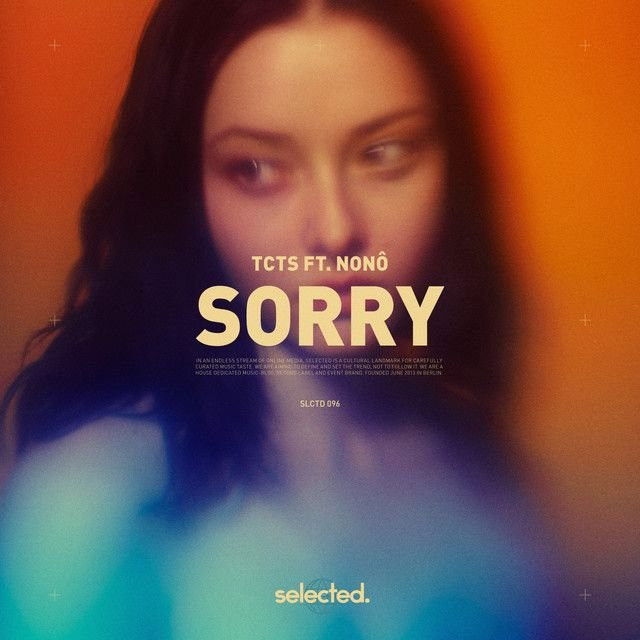
Why "Sorry" by TCTS, Nonô Hits So Hard
The meaning of Sorry TCTS, Nonô comes down to a familiar but painful loop: one person keeps blurring the truth, and the other finally starts to see the pattern. This is not a grand breakup ballad. It is a sharper song about mixed signals, weak apologies, and the moment self-respect starts to win.
"Sorry" - TCTS, Nonô
Cuz you acting blind
And you can’t decide
Loading lyrics...
Unable to load lyrics
We're unable to display the lyrics at this time. Please try again later.
TCTS and Nonô build that idea with tight, repetitive lines and a sleek electronic backdrop. The words feel caught between temptation and clarity, which is exactly why the song lands.
A Breakup Song, But Not a Simple One
At its core, the track sounds like a conversation with someone who keeps dodging honesty. Early lines suggest frustration that the other person cannot, or will not, understand what is obvious. When the narrator says acting blind
and later mentions they never read the signs
, the complaint is not just poor communication. It feels like chosen ignorance.
That matters because the song does not frame the conflict as one misunderstanding. It sounds like a pattern. The narrator has tried to explain, tried to adjust, and still feels unseen.
Interpretation: The emotional center of the song is not simply anger. It is exhaustion. They are tired of translating their feelings to someone who benefits from staying confused.

Watch the official Sorry
music video
Where the Story Turns
The most important shift happens when the narrator admits they are changing how they act. That confession shows the relationship has already had an effect on them. They are not fully detached yet.
Still, the song quickly pivots toward recognition. The line now I see it
is brief, but it changes the whole track. Before that moment, the speaker seems tangled in uncertainty. After it, they sound more alert and more willing to leave.
Three Emotional Beats in Order
- They feel ignored and misread.
- They start doubting themselves and their reactions.
- They recognize the pattern and pull away.
That middle stage is key. The narrator asks why they keep changing and why chaos still has a hold on them. This gives the song more depth than a standard empowerment anthem. They are not only calling out another person. They are also questioning why they keep responding to the drama.
Confusion, Illusion, and the Late-Night Exit
One of the song’s strongest ideas is the move from illusion to clarity. The lyrics describe confusion almost like a fog around judgment. The repeated counting structure—one time, two time, third time—suggests repeated offenses, repeated chances, and finally a breaking point.
Then comes one of the track’s clearest images: leaving at three
. In plain terms, it sounds like walking out late at night after finally deciding enough is enough. It is vivid because it feels physical. The narrator is not just emotionally checking out; they are going.
Interpretation: That image may also symbolize leaving the mental space of manipulation. Nighttime often represents blurred judgment in pop writing, so walking away at that hour can suggest waking up to reality inside the darkness.
What the Chorus Really Rejects
The hook gives the song its backbone. The narrator warns the other person not to mistake them for someone easier to control. When they say don’t confuse me
and dismiss empty tactics, the mood hardens.
Most important, the apology in the title is treated with suspicion. The closing phrase saying sorry
does not sound healing or tender. It sounds like a script. The apology is presented as one more move in a game, not a sincere effort to repair harm.
That choice gives the song bite. Many pop songs treat “sorry” as a doorway back into love. This one treats it as too little, too late.
How the Sound Carries the Meaning
TCTS is known for polished dance production rooted in house and electronic pop, while Nonô brings a vocal style that can sound both airy and emotionally direct. In a song like this, that combination matters.
The likely effect is contrast: the beat keeps moving, but the lyrics circle doubt and control. That tension mirrors the relationship itself. On the surface, everything still pulses with energy. Underneath, trust is breaking down.
The repetitive phrasing also works like a production tool. Short lines such as drive me insane
hit like loops in a club track. They do not just state emotion; they enact it. The listener hears obsession, repetition, and mental spin in the structure itself.
Writers, Voice, and Perspective
The user-provided credits list Noemia Lellis Marques Felippe, Samuel O'Neill, and Theodoulos Doukanaris as writers. Those names help explain why the song feels both concise and carefully shaped: it has the economy of dance-pop writing, where each repeated phrase has to carry emotional weight.
Although the lyrics are written in the first person, this article reads them from a third-person point of view: they are watching someone fight their way out of confusion. That makes the song easy to relate to. Many listeners know the feeling of seeing the red flags but still getting pulled back by chemistry, memory, or habit.
The Lasting Meaning of "Sorry"
The meaning of Sorry TCTS, Nonô is about recognizing when apology becomes performance. The song captures that uncomfortable stage where they are still affected by the other person, but no longer fooled.
Its power comes from that in-between space. They are not fully healed, yet they are finally honest about the cycle. That honesty gives the song its sting and its release.
Final Take
This reading is an interpretation based on the lyrics provided and the song’s apparent dance-pop framing. Different listeners may hear a toxic romance, a manipulation cycle, or even an argument with the self about why chaos can feel addictive.









