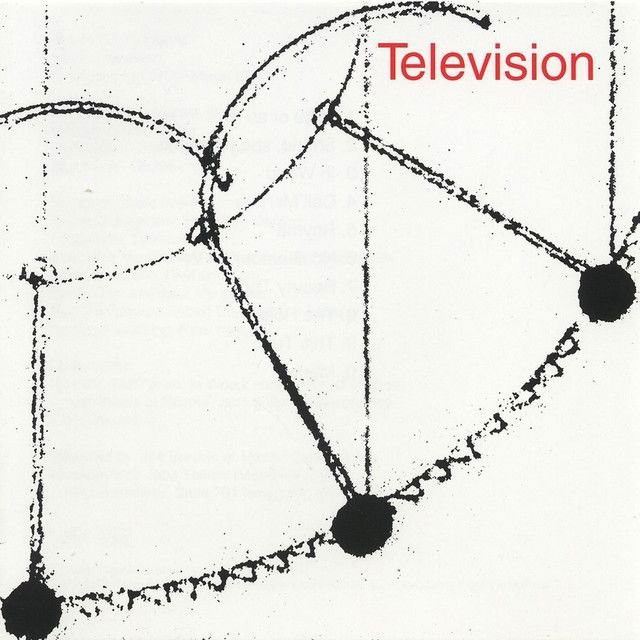
Mars by Television: Chaos, Desire, and Distance
Why This Song Feels So Strange
The meaning of Mars Television starts with confusion on purpose. This is not a story song in a neat, linear sense. Instead, it sounds like a mind firing in bursts: lust, panic, jokes, nonsense, and flashes of insight all crash together. That is a big part of why the track still feels exciting. Television, led by Tom Verlaine, often mixed sharp art-rock control with mystery, and “Mars” may be one of their most unstable and playful examples.
"Mars" - Television
Grab some whilst I have the chance to free
Twice upon a time hear yea hear yea hear yea
Loading lyrics...
Unable to load lyrics
We're unable to display the lyrics at this time. Please try again later.
Factually, the song is credited to Tom Verlaine. Television are widely associated with the New York rock scene of the 1970s and with the landmark album Marquee Moon. “Mars” is not as famous as the title track, but it carries the same taste for tension, abstraction, and nervous electricity.
Watch the official Mars
music video
The Core Meaning Hiding Inside the Noise
At its center, “Mars” seems to be about a person who feels cut off from ordinary reality. They want truth, connection, and maybe even transcendence, but their thoughts keep slipping into absurd images. The song presents alienation as something bodily and immediate, not just intellectual.
When the singer blurts out searching for truth
, the song gives one of its clearest clues. Even in all the weirdness, there is still a real need underneath it. This speaker is not just joking around. They are trying to make sense of desire, authority, and their own fractured mind.
The repeated idea that a cop is from MARS
turns ordinary power into something alien. A police officer should represent order, but here authority feels unreal, hostile, and almost cartoonish. Mars becomes a symbol for distance: emotional distance, social distance, and the sense that modern life is run by forces that do not feel human.
A Mind Jumping Between Desire and Panic
The love images are not calm
One striking thing about the song is how it moves from intimacy to grotesque imagery without warning. The line about a woman being warm and smooth
sounds tender at first. But it is surrounded by talk of bones, skin, frying, and repeated shock. That contrast matters.
Interpretation: the song may be showing how desire gets scrambled by anxiety. Physical closeness is present, but it does not lead to peace. It leads to overload. Even pleasure feels unstable, as if the body is turning into dream fragments.
The body becomes surreal
The images of bones, skin, and heat make the body feel exposed and almost unreal.
Fried bones, everywhere
Hot bones, made of light
This is the article’s only extended lyric quote, and even here the meaning is more emotional than literal. The body is no longer solid. It becomes cooked, scattered, glowing, broken apart. That suggests overstimulation or psychic collapse. The song does not describe a normal romance or a normal argument. It describes a nervous system under pressure.
Why “Mars” Matters as a Symbol
Mars can suggest many things at once:
- another planet, meaning total otherness
- war, since Mars is the Roman god of war
- masculine aggression and force
- emotional remoteness dressed up as power
That makes the title image rich even when the lyrics stay elusive. If the cop is “from Mars,” then power is not just oppressive. It is alien, absurd, and maybe impossible to reason with. The song mocks authority, but it also fears it.
This fits Television’s wider style. They often sounded cool on the surface while hinting at danger underneath. The band’s guitars rarely settle into simple comfort. Instead, they create suspense.
How the Sound Carries the Meaning
The production is crucial to the meaning of Mars Television. The song’s wiry guitars, clipped rhythm, and Verlaine’s sharp vocal delivery make the listener feel off-balance. Nothing is too full or cozy. Space is left open in the arrangement, which makes every odd phrase hit harder.
The guitars do not simply accompany the words; they act like a second mind. They twitch, jab, and spiral. That makes the track feel like thought in motion, especially thought that cannot settle. In many Television songs, the band’s interplay gives the music a tense elegance. Here, that elegance is still present, but it feels more manic.
Interpretation: the music suggests that the speaker is not in control of their own reactions. The groove keeps moving forward, yet the images feel fragmented. That split between musical drive and lyrical disarray is the song’s emotional engine.
Artist Context Helps Explain the Puzzle
Television emerged from the CBGB scene, where punk, art rock, and experimentation overlapped. According to the band’s Television history, they became one of the defining groups of that era. But unlike more direct punk acts, they often leaned toward poetic ambiguity rather than blunt slogans.
That context matters for the meaning of Mars Television. The song is not “nonsense” because the writer had nothing to say. It uses fragmentation as a style. Verlaine often wrote in a way that let sound, image, and mood do as much work as plot.
So when the song leaps from education to cops to coffee to death, it is behaving like a collage. The logic is emotional, not narrative. The speaker sounds both witty and desperate, which is part of what makes the song memorable.
Two Strong Readings of the Song
Interpretation 1: alienation in everyday life
In this reading, “Mars” is about feeling estranged from modern life. Authority looks absurd, intimacy feels unstable, and even simple routines become strange. The mention of coffee and repeated daily actions hints that the madness is happening inside ordinary life, not outside it.
Interpretation 2: a portrait of a sped-up, obsessive mind
Another reading is that the song captures a mind in a heightened state. The jumps in language, body imagery, and exaggerated reactions suggest obsession, intoxication, or emotional overload. The phrase die a coupla times
sounds dramatic and darkly comic at once, as if the speaker cannot separate genuine feeling from theatrical meltdown.
Both readings can be true together. That overlap is part of the song’s power.
Final Take on the Meaning of Mars Television
The meaning of Mars Television lies in its mix of desire, fear, and absurdity. It turns alienation into sound and lets surreal imagery express feelings that plain speech cannot. The song presents a world where love, authority, and the body itself all feel unstable.
That is why “Mars” still works. It does not explain the chaos; it performs it. And in Television’s hands, that chaos becomes art.
Disclaimer: This interpretation combines lyrical analysis, musical context, and informed inference. Because the song is highly abstract, different listeners may reasonably hear different meanings.








