
Why Tenor Saw's 'Ring the Alarm' Hits So Hard
The meaning of Ring The Alarm Tenor Saw starts with a simple idea: this is a victory cry from the dancehall. Rather than telling a personal love story or a political sermon, Tenor Saw builds a song around competition, reputation, and musical power. The alarm in the title is not just panic. It is a warning that one sound system has taken over the room.
"Ring The Alarm" - Tenor Saw
Ring the alarm, another sound is dying, woh-oh, hey
Ring the alarm, another sound is dying, woh-oh, hey
Loading lyrics...
Unable to load lyrics
We're unable to display the lyrics at this time. Please try again later.
Tenor Saw, born Clive Bright, was one of the defining voices of mid-1980s Jamaican dancehall, and his 1985 hit became his signature track on the famous Stalag riddim, released through Winston Riley’s Techniques label, according to major biographical summaries of his career. He is widely remembered as an influential figure in early digital reggae. That context matters because the song is deeply rooted in sound-system culture, where records were weapons and crowd response was proof of victory.
A Warning Siren for the Dance
At its core, the song is about dominance in a sound clash. When Tenor Saw repeats ring the alarm
, they are not describing an actual emergency. They are dramatizing the moment when rival selectors realize they are losing badly.
The refrain another sound is dying
turns competition into theater. In dancehall language, a “sound” usually means a sound system crew or its musical identity. So the song frames musical defeat as public collapse. That gives the track its swagger.
Watch the sound man a tremble
Watch the sound man a pray
Those lines sharpen the picture. Tenor Saw imagines the rival camp shaking under pressure while the winning sound controls the dance.
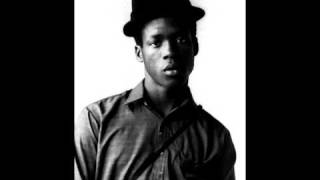
Watch the official Ring The Alarm
music video
Inside the Song's Clash Mentality
The verses keep returning to the same basic scene: one sound enters the session, plays harder than everyone else, and leaves competitors embarrassed. Phrases like it a champion
and beat them all in a row
are boastful, but they are also part of the ritual language of sound clash.
This matters for interpretation. Factual context: dancehall sound systems often built their identities around exclusives, crowd reaction, and lyrical one-upmanship. Interpretation: the song exaggerates defeat on purpose because that kind of bravado is part of the performance.
When the lyric describes four big sound inna one big lawn
, it places the listener in a live competition setting. One crew is playing; the others are forced into silence. The image is simple, but it explains almost the whole song. The best sound does not just play music. It freezes the field.
How Tenor Saw Makes Bragging Feel Bigger
A lot of reggae and dancehall songs boast, but Tenor Saw’s delivery makes the bragging feel communal instead of merely personal. They do not sound locked in private ego. They sound like the voice of a whole scene, speaking for the selectors, the dancers, and the crowd that knows a winner when it hears one.
That is why the song keeps mentioning how the music moves people. It can ram the dance
, rock women and men, and become the talk of the town. The point is not only that the sound wins. The point is that everyone can feel the win physically.
This is where the song’s meaning widens. It becomes a celebration of reggae’s social force. Great music does not just defeat rivals; it unites a room and creates instant public consensus.
The Stalag Riddim Does Half the Talking
The production is a huge part of the song’s meaning. “Ring the Alarm” rides the classic Stalag riddim, one of the most reused backings in reggae and dancehall history. Its heavy bass pulse and spare, marching structure create tension without clutter.
That musical space helps Tenor Saw’s voice cut through. Their singjay style, part singing and part toasting, lets them move between melody and command. The result is catchy enough for a party, but sharp enough to sound like a challenge.
Interpretation: the riddim feels like an arena. Because the backing is so stripped down, every repeated line lands harder, almost like a chant from the center of the dance. The production makes the song sound inevitable, which matches the lyric’s message that the winning sound cannot be stopped.
More Than Battle Talk
There is also a subtle inclusiveness in the song. Tenor Saw mentions rocking different people in the dance and presents reggae as a force that spreads across the whole atmosphere. Even while the song is built around defeating rivals, it is equally focused on energizing the crowd.
That balance helps explain the record’s long life. It is fierce, but it is fun. It sounds threatening, yet its real subject is excitement. The “attack” in the song is musical pressure, not a literal call to harm.
That distinction is important for U.S. listeners who may hear the language as harsher than intended. In dancehall tradition, this kind of lyrical combat is often symbolic, playful, and competitive.
Why the Song Still Lasts
Part of the staying power comes from Tenor Saw’s story. They died in 1988 at only 21 after injuries from a hit-and-run incident in Houston, but their influence stayed large in reggae history. “Ring the Alarm” remained their best-known recording and has been referenced and sampled long after its release.
So, the meaning of Ring The Alarm Tenor Saw is not mysterious once its setting becomes clear. It is a song about sound-system supremacy, crowd movement, and the joy of musical victory. Its hook is unforgettable because it turns a dancehall clash into a public alarm bell everyone can hear.
In the end, the song lasts because it does two things at once: it boasts with total confidence, and it captures the thrill of a room surrendering to rhythm. That is why it still feels alive.
Disclaimer: This interpretation separates documented context from critical reading. Meanings in music can vary by listener, culture, and performance setting.








