Nobody's Fault by Testament Means Shared Blame
The meaning of Nobody's Fault Testament version starts with disaster, but it does not end there. Their cover of the Aerosmith song turns an earthquake vision into something broader: a warning about human carelessness, denial, and the habit of pretending no one is responsible when things fall apart.
"Nobody's Fault" - Testament
[Intro & Guitar Solo]
Lord I must be dreamin'
Loading lyrics...
Unable to load lyrics
We're unable to display the lyrics at this time. Please try again later.
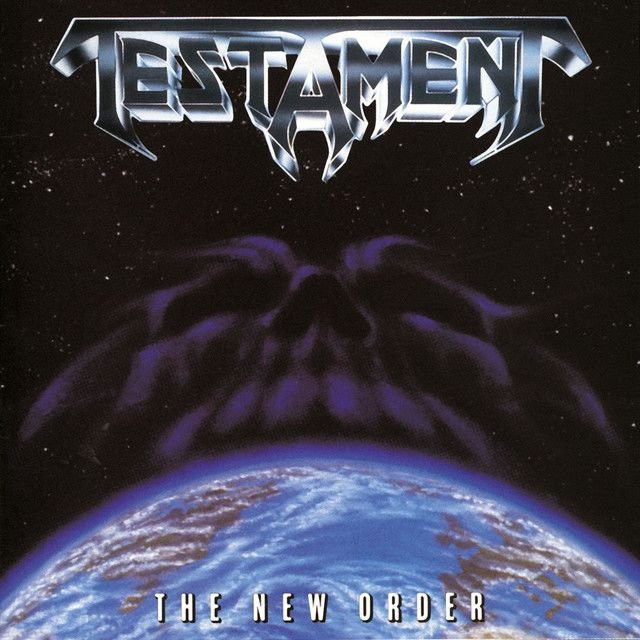
Testament recorded the song for The New Order in 1988, while the original was written by Steven Tyler and Brad Whitford for Aerosmith's Rocks in 1976. Research on the song's background says Tyler linked the lyric to fear of earthquakes, and later commentary has noted the wordplay between a geological fault and moral fault. That double meaning is what gives the song its bite.
A Disaster Song That Points at People
On the surface, the lyrics show a world in panic. People are running, the land is unstable, and nature feels violent. Short phrases like runnin' for the sea
and holy lands are sinkin'
create a scene of collapse almost instantly.
But the song does not treat this as random bad luck. It keeps pushing toward accountability. The repeated claim that it is nobody's fault
sounds sarcastic, not sincere. The point is that people ignore warnings, chase desire, and then act shocked when the damage arrives.
Interpretation: the song is not only about one earthquake. It is about a culture that sees danger coming and still does nothing useful.

Watch the official Nobody's Fault
music video
Why the Chorus Hits So Hard
The chorus is the moral center of the song. It says humanity understood the danger and still failed. When the lyric says man has known
and then admits they have blown it, the song shifts from fear to blame.
That matters because the verses are full of noisy, almost surreal images. The chorus translates those images into a clear judgment. This is not just chaos; this is preventable chaos made worse by pride and inaction.
Testament's performance makes that judgment sharper. Their thrash attack removes any loose swagger the original may have had and replaces it with force. The result feels less like a dark rock vision and more like a siren.
Fault Line, Moral Fault
One reason the song has lasted is its central pun. A fault line causes earthquakes, but a fault is also a failure or wrongdoing. That gives the song two layers at once.
The line about Old St. Andres
clearly points to the San Andreas Fault and California earthquake fear. At the same time, the song mocks leaders, experts, and ordinary people who should have listened but did not. Even the image of prophets being useless suggests that warning voices exist, yet society tunes them out.
Interpretation: the song says disasters become social failures when people ignore reality, build carelessly, and treat risk like somebody else's problem.
Images of Appetite, Fire, and Media Noise
Several lyrics connect disaster to human appetite. When the song says eyes are full of desire
, it suggests greed, hunger, and restless wanting. That line matters because it ties physical destruction to moral imbalance.
Fire is another major image. It appears not just as literal burning, but as a sign that everything is overheated and out of control. The world of the song feels overbuilt, overstimulated, and already halfway broken before the earthquake lands.
Then there is the media angle. The lyric about California and the evening news turns catastrophe into spectacle. Instead of serious reflection, the song hints at numbness, distraction, and shallow attention. The crisis is huge, but people still drift through it half-asleep.
How Testament's Sound Changes the Message
Aerosmith's original on Rocks is widely described as one of their heaviest songs, built on a pounding backbeat, thick bass, and Brad Whitford's hard-edged guitar work. Testament keep the song's heaviness but filter it through late-1980s thrash precision.
That matters for meaning. In Testament's hands, the riff sounds more militant and the rhythm feels more urgent. The cover pushes the song away from bluesy hard rock and toward disciplined aggression. Chuck Billy's vocal approach also makes the warnings feel blunter and less theatrical.
So while the lyrics stay the same, the emotional effect changes. Aerosmith's version can feel nightmarish and swaggering at once. Testament's version feels accusatory.
A Quick Map of the Story
They move through the song in a clear arc:
- A sudden public panic opens the scene.
- Nature starts failing on a massive scale.
- Human desire and social stupidity come into focus.
- The chorus names the real issue: shared blame.
- The later verses narrow in on California, fault lines, and ignored warnings.
That structure helps explain why the song feels bigger than a simple disaster narrative. It moves from event to diagnosis.
Why It Still Feels Current
The meaning of Nobody's Fault Testament still lands because it speaks to a familiar pattern. Warnings appear. Leaders stall. Crowds distract themselves. Then everyone acts as if the outcome came from nowhere.
That is why the song still works whether listeners hear it as an earthquake song, an environmental warning, or a broader critique of modern society. Its real target is evasion. The title itself is a joke aimed at people who refuse responsibility.
Final Take on the Song's Message
Testament's cover of "Nobody's Fault" is about more than destruction. It is about the human habit of seeing danger, feeding it, and then denying any role in the result.
Interpretation: the song argues that disaster is not only natural. It becomes moral when people know better and fail anyway.
Disclaimer: This interpretation is based on the lyrics, known background on the song's writing, and the musical choices in Testament's cover. As with any song, listeners may hear different meanings in it.







