Why "I Always Wanna Die" Still Reaches People
The meaning of I Always Wanna Die (Sometimes) The 1975 starts with a contradiction that feels painfully human. The title sounds absolute, but the last word changes everything. It suggests a person caught in recurring dark thoughts, yet still aware those thoughts rise and fall.
"I Always Wanna Die (Sometimes)" - The 1975
But you're sat on a train again
Your memories are sceneries
Loading lyrics...
Unable to load lyrics
We're unable to display the lyrics at this time. Please try again later.
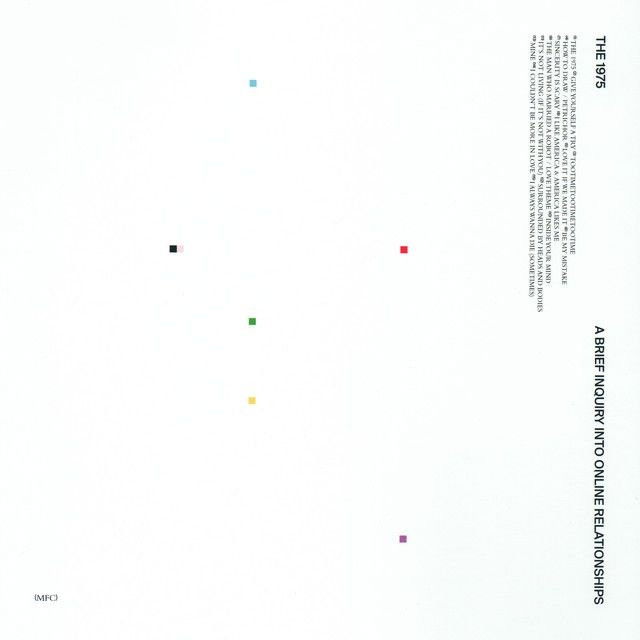
Released on A Brief Inquiry into Online Relationships in 2018, the song stands as one of The 1975’s starkest and most compassionate tracks. Factually, it was written by Matty Healy, George Daniel, Adam Hann, and Ross MacDonald, and produced by Healy, Daniel, and Jonathan Gilmore, with strings arranged by David Campbell. Those details matter because the song’s huge scale is part of its message.
The Heart of the Song Is Brutal Honesty
At its core, this is a song about suicidal ideation, emotional exhaustion, and the effort to keep living. That reading is supported by both the lyrics and Matty Healy’s own comments about the idea of wanting to die as a recurring modern feeling rather than a constant state. He described the day-to-day grind as exhausting in interviews summarized by sources like Wikipedia.
Still, the song is not simply surrender. It holds two truths at once: despair can feel real, and survival can still be possible. That tension is why the chorus hits so hard. When they repeat I always wanna die
and then qualify it with sometimes
, the song turns a frightening confession into something more precise. The thought is serious, but not permanent.
Watch the official I Always Wanna Die (Sometimes)
music video
A Voice Talking to the Self
Much of the lyric feels like self-address. The opening image of being sat on a train again
points to disappointment and repetition. Life was supposed to change, but instead it feels stuck in motion, going somewhere without really arriving.
From there, the song moves through regret, alienation, and a shaky sense of identity. The line about geography raises the idea that changing place does not necessarily change the self. Interpretation: they may be asking whether moving cities, changing scenes, or chasing reinvention can fix an inner collapse. The answer seems to be no.
The Most Important Turn in the Lyrics
The song’s clearest statement comes when it shifts from private pain to consequences. It argues that death does not only belong to the person suffering; it spreads outward into the lives of loved ones.
It happens to your family and friends
That brief thought is one reason many listeners hear the song as life-affirming rather than fatalistic. Critics did too. NME highlighted that idea as especially powerful, and Pitchfork reportedly called it one of the band’s most life-affirming songs. Even without quoting those reviews at length, the critical response reflects the same point: the song looks into despair but does not romanticize it.
Another key lyric turn is the refusal of self-destruction. When the song says there is no point in buying concrete shoes
, it rejects a dramatic exit. It sounds weary, not triumphant, but that matters. Survival here is not sold as inspirational perfection. It is presented as a stubborn choice made in a bad moment.
How the Sound Makes the Meaning Bigger
The arrangement is crucial to the meaning of I Always Wanna Die (Sometimes) The 1975. According to documented background, Healy began it on acoustic guitar, and the band built the production around the opening riff. He also wanted a cinematic blend of Britpop and big American late-'90s rock, even describing it as a gritty English version of an Aerosmith-style power ballad, as reported by Billboard and Wikipedia.
That explains why the track feels so large. Acoustic strums, piano, shuffling drums, and swelling strings turn a private confession into a public anthem. The vocals also matter: the verses sound fragile and close, while the chorus opens into something louder and more exposed. It is as if the song starts inside a person’s head and then expands until everyone in the room can hear the pain.
Why the late-'90s feel fits
Billboard noted the song’s resemblance to ornate 1998-era alt-rock rather than simple Britpop revivalism. That nostalgia matters because the song is about old emotional truths in a modern world. The production gives the track a familiar, communal sadness, the kind built for shared release rather than isolation.
Images of Stagnation, Entropy, and Survival
Several images keep returning to the same emotional center:
- trains and travel that do not lead to renewal
- memory as scenery rather than living experience
- identity breaking down through time and pressure
- the body becoming too worn out to speak clearly
Interpretation: these details make depression feel ordinary instead of abstract. This is not only about dramatic crisis. It is also about routine depletion, the slow wearing down of hope.
That is why the final plea lands. When the lyric says if you can't survive, just try
, it lowers the bar from heroic recovery to one next step. For many listeners, that is the song’s emotional genius.
Why the Song Endures
Part of the reason this track lasts is its balance of candor and care. It says something frightening out loud, but it also keeps reaching for connection. Commercially, it became a notable song in the band’s catalog, charting in several countries and earning a Silver certification in the UK, according to Wikipedia.
More importantly, it gives language to a feeling many people struggle to explain. The song does not promise quick healing. It simply insists that terrible thoughts can be temporary, and that admitting them may be part of staying alive.
Final Take: A Dark Song With a Saving Thread
The meaning of I Always Wanna Die (Sometimes) The 1975 is not that death is desirable. It is that despair can feel overwhelming, repetitive, and real, while life can still be chosen in the middle of it. The song’s giant production, plainspoken images, and careful turn toward others make it one of The 1975’s most compassionate works.
This interpretation is based on the song’s lyrics, documented artist comments, and critical context; like any piece of art, listeners may hear it differently.








