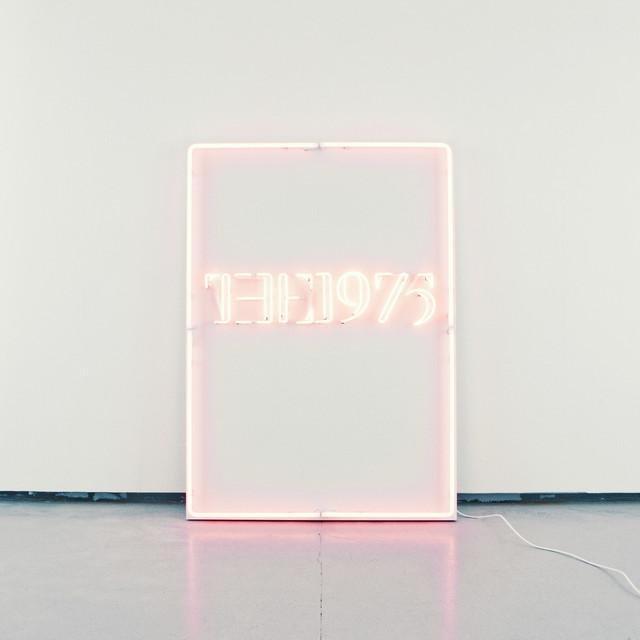
The Sound by The 1975
A huge pop rush hides a messy emotional truth: this is a song about wanting someone, wanting attention, and not always knowing the difference.
"The Sound" - The 1975
Provided by LyricFindWell I know when you're around 'cause I know the sound
I know the sound, of your heart
Well I know when you're around 'cause I know the soundLoading...Loading lyrics...
Unable to load lyrics
We're unable to display the lyrics at this time. Please try again later.
Why the meaning of The Sound The 1975 still stands out
The meaning of The Sound The 1975 comes from contrast. On the surface, it is one of the band’s brightest, most immediate singles: a glossy 2016 track from I Like It When You Sleep, for You Are So Beautiful yet So Unaware of It. Factually, it was released on February 19, 2016, written by Matty Healy, George Daniel, Adam Hann, and Ross MacDonald, and produced by Healy, Daniel, and Mike Crossey. It also features choir vocals from the London Community Gospel Choir.
But beneath that shine, the song is not simple romance. It is flirtation mixed with vanity, lust mixed with self-criticism, and intimacy mixed with performance. That tension is exactly what makes it memorable.

Watch the official The Sound
music video
A hook about recognition, or obsession?
The chorus frames the relationship as almost physical and instinctive. The narrator claims they can sense the other person just from the sound
and especially of your heart
. In plain terms, the song presents recognition as immediate, almost magical.
Interpretation: this is probably not meant to be taken literally. Instead, it works as a symbol of obsession. The other person is so present in the narrator’s mind that even their arrival feels like a signal the body can detect. It sounds romantic, but it also sounds compulsive.
That is important, because the verses quickly challenge the sincerity of the chorus.
The verses turn romance into a game
Almost right away, the song becomes conversational, sharp, and unstable. One person returns, attraction sparks again, and the pair trade judgments. There is chemistry, but also confusion. The narrator seems drawn in by the drama as much as by the person.
Then the song reveals its central emotional problem. The narrator says I love you
, but follows that with doubt and dishonesty. They also insist they are glad the relationship is over, while still sounding deeply affected by it. That mix of bragging and hurt gives the song its edge.
Interpretation: rather than telling one clean story, the lyrics show a person trying to stay cool while admitting they are not over the situation. They want power in the conversation, but the repeated hook suggests they are still haunted by the connection.
Narcissism is not hidden here
One of the cleverest parts of the song is how openly it describes selfishness. The narrator more or less admits the relationship is not based on mutual care. A key phrase, all about me
, strips away any illusion that this is noble or balanced.
That honesty matters. Many pop songs hide vanity behind romance. This one pushes vanity into the center of the frame. The narrator wants sex, attention, stimulation, and maybe even intellectual admiration. The line about epicurean philosophy
adds a slightly academic joke to that attitude, dressing pleasure-seeking up in big language.
Matty Healy said that phrase came from reading Alain de Botton and refers to living for pleasure. That comment helps explain the lyric’s tone: smart, self-aware, and a little mocking of its own pretensions.
How the production deepens the song’s meaning
A big reason the meaning of The Sound The 1975 lands so well is the production. The track leans into house, synth-pop, disco-house, and dance-pop textures, with a four-on-the-floor beat, bright piano, syncopated synths, funk guitar touches, and a huge pop chorus. Critics widely described it as infectious and maximalist, and that fits.
The sound matters because it does not mirror the lyrics in an obvious way. Instead of sounding bitter or wounded, the song explodes with joy. That creates a productive mismatch. Listeners can dance to it first and unpack it later.
Interpretation: the arrangement turns emotional confusion into adrenaline. The band make ego, desire, and self-loathing feel euphoric. That is very much The 1975’s style—serious feelings wrapped in pop pleasure.
The choir effect also helps. It gives the chorus a communal, almost devotional lift, as if a messy private relationship has suddenly become an anthem.
Artist context makes the irony clearer
Healy described the song as inspired by pop earworms and as an unabashed pop song. He also said it was one of the oldest songs connected to the album cycle and that it finally fit once the band had the right context for it. That is useful background, because The Sound feels deliberately split between surface and depth.
It was even shown to One Direction during a writing session before The 1975 kept it for themselves. That anecdote makes sense: the chorus is huge enough for mainstream pop, but the lyrics are too sly, jagged, and self-incriminating to be straightforward boy-band material.
The song’s video extends that self-awareness. The band perform in a pink glass box while insults and criticism appear around them, turning public opinion into part of the artwork. That visual suggests the song is not only about romance. It is also about image, performance, and the pressure of being watched.
A few strong ways to read the song
There are at least three reasonable readings:
- A toxic relationship song. Two people are attracted to each other but communicate through ego, sarcasm, and manipulation.
- A self-portrait of vanity. The narrator exposes their own narcissism before anyone else can.
- A pop satire. The song embraces a massive romantic chorus while questioning how sincere these declarations really are.
All three fit because the song never settles into one emotional lane.
Why it keeps connecting with listeners
The track became one of the band’s biggest songs for a reason. It reached No. 15 in the UK and earned platinum-level success in both the UK and US. More importantly, it captures a modern kind of emotional contradiction: people can crave closeness while protecting themselves with irony.
That is the lasting appeal of The Sound. It feels ecstatic, but it is not innocent. It sounds like a love song, but it keeps exposing love as performance, appetite, and ego.
Final takeaway
The meaning of The Sound The 1975 is not just that someone knows another person by heart. It is that desire can feel thrilling and intimate even when the relationship itself is messy, selfish, and unstable.
This article offers an interpretation based on the song’s lyrics, production, and public artist commentary. As with most The 1975 songs, some ambiguity is part of the design.









