Why 'Kettering' by The Antlers Still Hurts
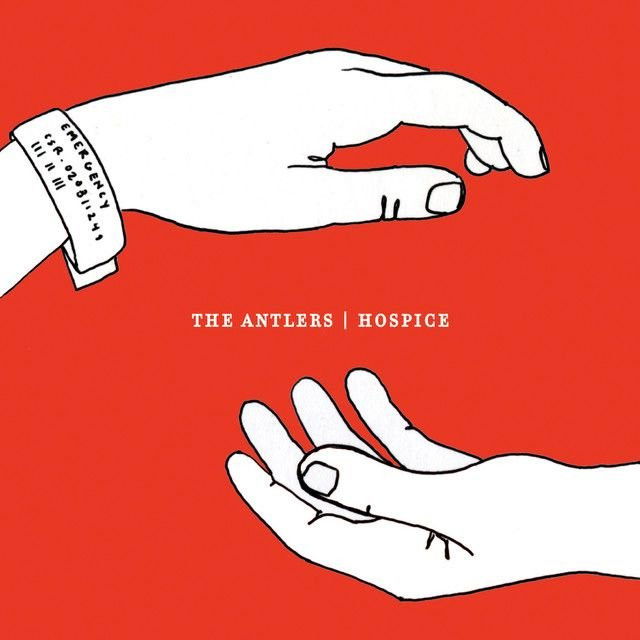
The meaning of Kettering The Antlers begins with a hospital room, but it does not stay there. The song is the second track on Hospice, The Antlers' 2009 concept album, a record set around Memorial Sloan Kettering Cancer Center and built around a relationship between a caregiver and a dying patient. Facts about the album's concept, release, and credits are widely documented, including that Peter Silberman wrote the songs and that Sharon Van Etten appears on this track.
"Kettering" - The Antlers
In that first minute we met
The unpayable debt that I owed you
Loading lyrics...
Unable to load lyrics
We're unable to display the lyrics at this time. Please try again later.
A Hospital Song That Is Also About Power
On the surface, “Kettering” tells a simple story. A caregiver meets a patient with terminal bone cancer, begins looking after her, and gets pulled into a bond that is part duty, part love, and part emotional trap. The opening regret, framed by first minute we met
, sets the tone right away: they already feel they are entering a debt they do not understand.
That word “debt” matters. The narrator does not feel free. They feel responsible, almost hired into a pain that existed before them. When the song mentions the patient being harmed by a body that failed her, it turns illness into something personal and cruel. The body is not just sick; it has betrayed her.
Interpretation: This is why the song feels larger than a medical story. It is also about how suffering can reshape a relationship, making care and control hard to separate.

Watch the official Kettering
music video
The Story Moves From Routine to Ruin
“Kettering” is full of clinical details, and those details make the emotions hit harder. There are tubes, alarms, vital checks, and bedside conversation. A line like tubes in your arms
places the listener in a real room, not an abstract poem.
The key beats unfold in order:
- The caregiver meets the patient and senses immediate burden.
- They witness her condition in a hospital setting.
- They try small human gestures, like asking for a smile.
- She pushes back and says their manner makes her feel isolated.
- They stay anyway, even after being warned there is
no saving you
.
That final beat is the emotional center. The narrator does not leave when logic says they should. They remain at the bedside, and that choice changes the song from observation into confession.
The Real Subject Is Helpless Attachment
The most striking part of the meaning of Kettering The Antlers is that care does not look comforting here. It looks exhausting, guilty, and unstable. The patient is vulnerable, but the caregiver also becomes emotionally consumed.
The song says their care made them sleep uneven
, a small phrase that captures how another person's crisis can wreck a life from the inside. They stop being a steady helper and become someone frayed by attachment. In plain terms, they are no longer only treating pain; they are living inside it.
You said you hated my toneIt made you feel so aloneI ought to be leaving
This brief exchange is important because it shows the imbalance between intention and effect. The caregiver may think they are helping, yet their presence still hurts. The patient needs care, but she also resists the person giving it. That conflict drives the whole song.
How Hospice Changes the Meaning
Context matters here. Hospice was first self-released in March 2009 and later re-released by Frenchkiss Records that August. It is The Antlers' first concept album, and its larger story follows a hospice worker and a woman whose illness also works as a metaphor for an abusive relationship. Knowing that bigger frame changes how “Kettering” lands.
Interpretation: In that reading, the hospital is both real and symbolic. The woman's sickness reflects trauma, while the caregiver's loyalty reflects the way people stay in relationships they know are harming them. The line about an unpayable debt
sounds less like medicine and more like emotional obligation.
Peter Silberman has been careful about over-explaining the album, which leaves room for listeners to connect the songs to illness, codependency, or abuse without forcing a single answer. That restraint is part of why the track still invites discussion.
Why the Music Feels So Devastating
The arrangement is a huge part of the song's effect. The Antlers are often placed in indie rock, dream pop, sadcore, and post-rock, and “Kettering” uses that soft, slow-building style to mirror emotional collapse. Instead of dramatic explosions, the song moves with a hush that feels almost clinical.
Silberman's voice sounds intimate and worn down, as if the confession is happening in the room itself. The production leaves space around the words, which creates loneliness. Sharon Van Etten's backing vocals deepen the character feel of the album and make the song seem haunted by another presence rather than sung by one person alone.
The instruments never rush to provide relief. They hover. That matters because the song is about being stuck beside suffering, not escaping it.
Why Listeners Keep Coming Back
Critics responded strongly to Hospice, and the album earned high marks, including an 83 on Metacritic. Pitchfork famously praised its power to emotionally wreck listeners, and that reaction makes sense when hearing “Kettering.” The song is painful without being melodramatic.
It also stays memorable because it does two hard things at once:
- It tells a concrete story.
- It leaves room for metaphor.
A listener can hear it as a song about cancer, burnout, and grief. Another can hear it as a portrait of abusive dynamics, where one person feels trapped by another's pain. Both readings fit the song's language and the album's concept.
The Lasting Takeaway From “Kettering”
In the end, the meaning of Kettering The Antlers is about what happens when caregiving turns into captivity. The narrator wants to help, but help cannot fix what is happening. That gap between love and power is where the song lives.
It is one of the most affecting songs on Hospice because it shows that tenderness can exist alongside resentment, fear, and failure. That emotional honesty is why it still hits so hard.
Disclaimer: This interpretation blends documented album context with critical reading of the lyrics. As with many concept songs, some meanings remain open to the listener.








