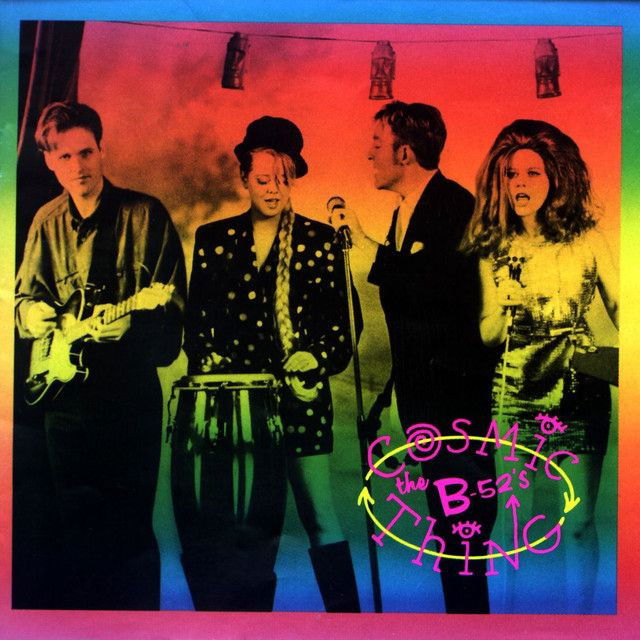
Deadbeat Club by The B‐52s
The meaning of Deadbeat Club The B‐52s starts with a joke and grows into a small life philosophy. Released as the final single from Cosmic Thing in 1990, the song looks back at the band’s early years in Athens, Georgia, when they spent time in cafes, talked for hours, and seemed, to older adults, a little aimless. According to Wikipedia, even the local references are real: Allen’s and Normaltown come straight from that scene.
"Deadbeat Club" - The B‐52s
I was good, I could talk
A mile a minute
Loading lyrics...
Unable to load lyrics
We're unable to display the lyrics at this time. Please try again later.
A Love Letter to Youthful Idleness
At the most basic level, the song celebrates a group of friends who do not fit the usual idea of success. They are not chasing careers or respectability. Instead, they are chasing conversation, music, parties, and the next small adventure.
That is why the title matters. The phrase deadbeat club
sounds like an insult, but the band flips it into a badge of belonging. Rather than feel ashamed, they turn the label into a shared identity. The song says that sometimes the people called lazy are really just searching for a different way to live.
Interpretation: this is not a protest song in a heavy political sense. It is more personal than that. It pushes back against pressure to “get a job” right away and treats youth as a space for discovery, not just productivity.

Watch the official Deadbeat Club
music video
How the Verses Build a World
The opening gives a fast, buzzing energy. When the narrator mentions being able to talk quickly on a caffeine rush, the song creates a picture of friends living on cheap drinks, big ideas, and restless momentum. The point is not that they are accomplishing great public things. The point is that their inner world feels alive.
Then the song moves from talking to wandering. It names places, habits, and rituals: cheap beer, a loud jukebox, walking the streets, crashing a party, and swimming at night. These details matter because they make the memory feel local and true.
One of the smartest touches is the line about Allen's
. It is not just a location drop. It anchors the song in a real social map. This is not fantasy rebellion. It is community memory.
A Brief Narrative in Three Moves
- They begin in talk and boredom, full of nervous energy.
- They move into the town, making fun out of almost nothing.
- They claim their outsider label and turn it into joy.
That structure helps explain why the song feels so warm. It starts with drift, but it ends with belonging.
Why the Chorus Feels So Free
The repeated hook is simple, but it does important work. Every time they sing we're the deadbeat club
, they make the group larger and louder. What might have been private shame becomes public celebration.
This is one reason the song connects so strongly with listeners. Many people remember a time when they and their friends had little money but a strong sense of identity. The chorus captures that feeling in a few words.
Anyway we can
we're gonna find something
That short moment sums up the song’s heart. They do not need much. They just need motion, company, and the willingness to make meaning out of a random night.
Rain, Gardens, and the Beauty of Not Having a Plan
The most vivid image in the song is the promise to dance in the garden
in the rain. The picture is messy, improvised, and a little absurd. Torn sheets and bad weather should suggest discomfort, but the band turns them into freedom.
Interpretation: the rain image represents release. Instead of waiting for perfect conditions, they create joy in imperfect ones. That idea fits the whole track. The so-called deadbeats are rich in imagination, even if they are broke in other ways.
There is also tenderness in this memory. The song is funny and playful, but it is not mocking the past. It treats those wild nights as formative. They were building a scene, a friendship, and eventually a band identity.
The Sound Makes the Meaning Brighter
Musically, “Deadbeat Club” is lighter and more reflective than the giant party blast of “Love Shack,” even though both came from the same Cosmic Thing era. The rhythm is still upbeat, but it has a breezy, rolling feel that matches the idea of drifting through town with friends.
The production, credited to Nile Rodgers and the band, helps here. The groove is clean and danceable, yet not overly hard-edged. Bright guitars, punchy drums, and layered vocals make the memory feel communal. Instead of sounding bitter or defensive, the track sounds affectionate.
That choice is crucial. If the song had been angry, its message would shrink. Because it sounds open and playful, the listener hears freedom instead of failure.
Artist Context and Why It Still Lands
Factually, the song is rooted in the B-52s’ early Athens years, when hanging around coffee spots and local hangouts shaped their creative identity. That history gives the song more weight than a generic “good old days” anthem. It is about a real scene that helped produce one of America’s most original bands.
Its chart run also shows that this local memory traveled well. Wikipedia notes that the single reached No. 30 on the US Billboard Hot 100. That makes sense: while the references are specific, the feeling is broad. Most listeners know what it means to have a crew, a neighborhood, and a moment in life when time felt loose.
Final Take on the Song’s Meaning
So, what is the meaning of Deadbeat Club The B‐52s? It is about reclaiming a dismissive label and turning it into a celebration of friendship, place, and youthful freedom. The song argues that hanging out is not always empty time. Sometimes it is where identity begins.
Interpretation: beneath the humor, the track honors the creative value of aimlessness. Before careers and expectations harden, there is a period when people wander, talk, listen, and become themselves. “Deadbeat Club” remembers that period with gratitude.
This article offers an interpretation based on the lyrics, recording context, and available sources. Like all song analysis, some meanings remain open to the listener.







