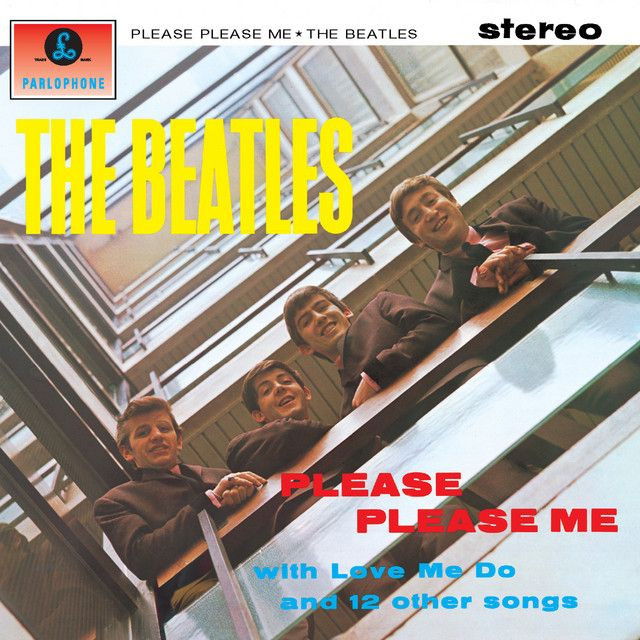
Why 'Shout' by The Beatles Feels So Explosive
The meaning of Shout The Beatles comes down to one big idea: turning simple words into a shared burst of energy. This is not a story song with rich detail. Instead, it uses repetition, commands, and rising intensity to make listeners feel as if they are inside the action.
"Shout" - The Beatles
Take my finger!
Shout! Throw my hands back!
Loading lyrics...
Unable to load lyrics
We're unable to display the lyrics at this time. Please try again later.
Even with very few words, the song suggests freedom, release, and group excitement. They perform it less like a message to decode and more like an event to join.
A Song Built on Action, Not Plot
At its core, the song is about being pushed past restraint. The opening cue, make me want to shout
, frames the whole track as a physical reaction. The singer is not calmly explaining emotions. They are overwhelmed and answering that feeling with noise, movement, and rhythm.
That matters because the song never settles into reflection. Every line pushes outward. Phrases about throwing hands back, kicking heels up, and jumping turn emotion into body language. In plain terms, the song says that joy and excitement are too strong to keep inside.
Interpretation: That is why the song can feel bigger than its words. It captures the moment when feeling becomes action.
Watch the official Shout
music video
How the Lyrics Create Communal Release
The lyrics work like a crowd chant. Short commands such as take it easy
, a little bit softer now
, and a little bit louder now
are less about poetry than participation. They tell the audience what to do while also building suspense.
This structure gives the song two emotional gears:
- Control: when the volume drops and the singer holds the room
- Release: when the energy surges back and everyone joins in
That back-and-forth is the song’s real engine. Instead of describing freedom, it stages freedom in real time. Listeners hear the sound shrink, wait, and then explode again.
a little bit softer now
a little bit louder now
Those lines are simple, but they show how the song turns dynamics into meaning. The soft section creates tension. The louder return feels like a payoff.
Why Their Performance Matters So Much
The Beatles were masters at making rock and roll feel immediate, and this kind of song depends on that quality. Their approach to early live and studio material often emphasized drive, group vocals, and rhythmic attack, all central to how this song lands.
The larger context also helps. Their famous recording of another shout-driven cover, “Twist and Shout,” was cut during the marathon Please Please Me session on February 11, 1963, produced by George Martin, and became one of their signature early performances, later appearing on Please Please Me and reaching No. 2 on the US Billboard Hot 100 in 1964, according to Wikipedia. George Martin said that song was saved for the end because it was a “larynx-tearer,” as quoted by American Songwriter.
That history matters because it shows what The Beatles did best with material like this: they turned repetition into urgency. Even when the lyrics were basic, the vocal push, beat, and group energy made them feel urgent and alive.
Sound Before Meaning—And That Is the Meaning
Musically, “Shout” belongs to a rock-and-roll tradition where groove and response matter more than narrative detail. The beat keeps things moving forward. The repeated title functions almost like percussion. Each return of Shout!
lands as both lyric and rhythmic hit.
The likely emotional effect is easy to hear:
- A call is made.
- The room answers.
- The volume changes build suspense.
- The ending becomes a collective release.
This is why the song can feel almost physical. The meaning does not sit only in the words. It lives in pacing, vocal attack, and escalation.
Interpretation: In that sense, the song is about surrendering to the moment. They are not asking listeners to think first. They are asking them to join.
Themes Hidden Inside the Simplicity
Although the lyrics are direct, they still point to a few larger themes:
Youthful freedom
The commands to move and yell suggest a break from stiffness or manners. The song celebrates acting first and worrying later.
Emotional catharsis
To shout is to release pressure. The repeated title makes noise itself sound healing or necessary.
Group identity
Lines like jump up and shout now
turn the song into a communal ritual. It is not private emotion. It is public feeling.
A Useful Comparison With Early Beatles Energy
Critics and fans often point to early Beatles performances as examples of controlled chaos: tight musicianship paired with raw excitement. That is one reason songs built around shouting, dancing, and crowd response fit them so well.
Research on “Twist and Shout” often describes that style as a mix of dance command, youthful liberation, and emotional release, with Lennon’s rough vocal amplifying the effect, as summarized in American Songwriter and Wikipedia. The same framework helps explain this song too. The words are spare, but the effect is huge.
The Real Takeaway
So, what is the meaning of Shout The Beatles? It is the sound of emotion becoming motion. The song takes excitement, strips away complexity, and turns it into a chant everyone can feel.
That is why it lasts. It does not ask for careful decoding. It asks for a reaction.
Disclaimer: This article offers interpretation based on the lyrics, performance style, and historical context. Song meaning can remain open to different listener experiences.









