Why 'Yesterday' Still Hurts So Much
The meaning of Yesterday The Beatles comes down to one of pop music’s simplest but deepest ideas: the pain of realizing that life has changed, and wishing it had not. In just a few lines, the song turns private heartbreak into a universal feeling. They present a speaker who cannot fix the present, so he emotionally retreats into memory.
"Yesterday" - The Beatles
All my troubles seemed so far away
Now it looks as though they're here to stay
Loading lyrics...
Unable to load lyrics
We're unable to display the lyrics at this time. Please try again later.
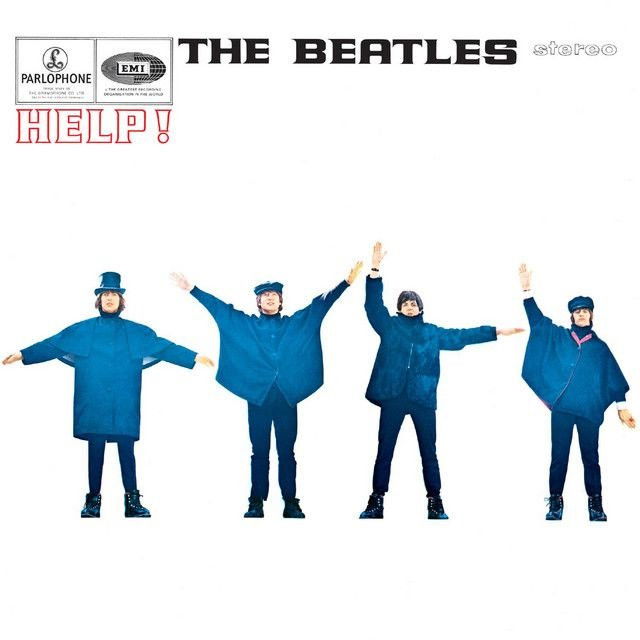
Released on Help! in 1965, the track stands apart in the Beatles catalog. According to widely cited historical accounts, Paul McCartney is the only Beatle performing on the recording, backed by acoustic guitar and a string quartet, with George Martin producing. That stripped-down setup matters because the song feels less like a band statement and more like one person quietly replaying a loss.
A Breakup Song That Feels Bigger Than a Breakup
On the surface, the story is clear. The singer has lost someone important and is stuck asking what went wrong. When they hear phrases like all my troubles
and she wouldn't say
, the emotional picture is not just sadness but confusion. He does not fully understand the ending, which makes the memory harder to release.
The song also broadens beyond romance. The opening contrast between past and present suggests a world that once felt stable and now feels damaged. That is why the chorus lands so strongly. When the singer says I believe in yesterday
, most listeners do not take it literally. Interpretation: it means he trusts the past more than the present, or longs for an earlier version of life that felt safer.
That reading is common among critics and listeners because the phrase bends normal speech in a memorable way. Instead of believing in the future, he places his faith in what has already disappeared.
Watch the official Yesterday
music video
The Narrator's Emotional Slide
The lyrics move in a short but effective arc:
- First, the singer remembers a time when life felt easier.
- Next, he admits the present has changed him.
- Then, he circles back to regret over something said or done.
- Finally, he repeats his attachment to the past.
A phrase like not half the man
shows that the breakup has hurt his sense of self, not only his love life. He feels diminished. Then a shadow hanging over me
adds a visual image of grief that follows him everywhere.
This is part of why the song remains powerful. It does not describe dramatic events. Instead, they focus on the aftershock: weakness, doubt, and replayed memory.
Why the Hook Feels So Unusual
The line that gives the song its title is also its emotional trick. They do not simply say they miss the past. They almost treat the past like an ideal, something worth worshipping or trusting.
Oh, I believe in yesterday
That single thought captures the whole song. Interpretation: the speaker is not living in the present at all. He is clinging to an older version of reality because today feels unbearable.
There is also a subtle irony here. Yesterday cannot come back. So the more he believes in it, the more trapped he becomes. That tension gives the song its ache.
How the Sound Carries the Meaning
The arrangement is central to the song’s effect. McCartney’s acoustic guitar keeps the rhythm gentle and personal, while the string quartet adds a soft, aching elegance. For many listeners in 1965, this was surprising: it did not sound like a standard early-Beatles pop hit.
That choice helped the meaning land more clearly. Without drums, harmonies, or a full band arrangement pushing energy forward, the song seems suspended in thought. The strings do not overpower the vocal; they deepen its loneliness.
Music historians often point to "Yesterday" as a key example of pop opening itself to chamber-style textures. That matters because the song’s sadness is not performed as raw breakdown. It is controlled, polished, and inward. The sound mirrors someone trying to stay composed while quietly falling apart.
The Backstory Adds Another Layer
One famous fact about the song is that McCartney said the melody came to him in a dream. Before the final words arrived, he used the joking placeholder title Scrambled Eggs
. That origin story is well known because it shows how natural the melody felt to him.
The final lyric is just as deceptively simple. Even John Lennon later said Paul wrote nearly all of it, while also praising the beauty of the result. The song went on to become one of the most covered tracks in popular music, and BMI has reported millions of performances in the 20th century. Its reach suggests that its central feeling is easy to recognize, even when details are sparse.
A Few Plausible Readings
Interpretation 1: It is a straightforward lost-love song. The singer said something wrong, the relationship ended, and he wants that happier period back.
Interpretation 2: It is about nostalgia itself. The lost relationship is real, but the deeper subject is how people idealize the past when the present hurts.
Interpretation 3: It hints at depression or emotional paralysis. The repeated return to yesterday suggests someone who cannot move forward.
All three readings can fit at once, which is part of the song’s brilliance.
Why "Yesterday" Still Connects
The meaning of Yesterday The Beatles lasts because the writing is plain, but the feeling is complex. They capture regret without overexplaining it. Listeners fill in the missing details with their own memories.
That is the secret of the song: it sounds small, but it opens a huge emotional space. A breakup starts the story, yet the real subject is the human habit of looking backward when the present becomes too painful.
Interpretation disclaimer: song meanings can vary by listener. This article separates documented facts from interpretation, and some readers may hear the song differently.









