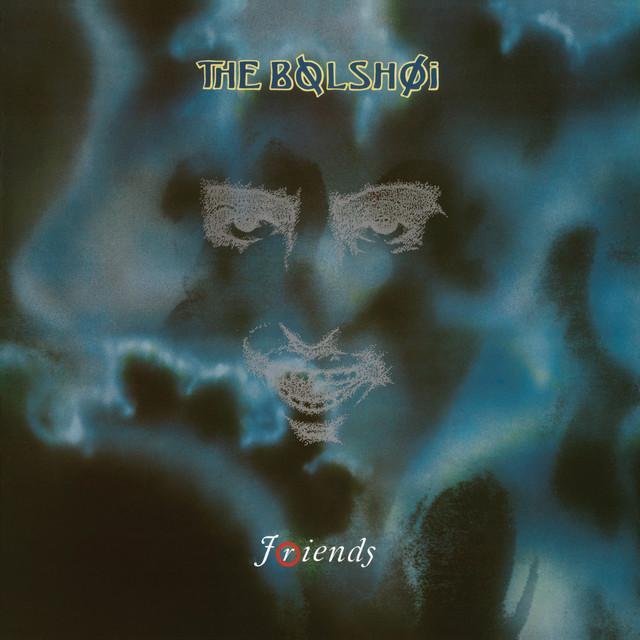
Why 'Sunday Morning' by The Bolshoi Still Bites
The meaning of Sunday Morning The Bolshoi centers on discomfort with forced religion, moral pressure, and the gap between public goodness and private fear. Rather than praising a peaceful ritual, the song turns Sunday into a scene of dread. Its speaker remembers childhood churchgoing not as comfort, but as a weekly performance that felt hollow.
"Sunday Morning" - The Bolshoi
Feeling sick on Sunday morning
I don't want to do it anymore
Loading lyrics...
Unable to load lyrics
We're unable to display the lyrics at this time. Please try again later.
The Bolshoi were a British band tied to post-punk, gothic rock, and alternative rock, active mainly in the mid-1980s. According to their band history, they were best known for “Sunday Morning” and “Away.” That context matters: Trevor Tanner’s writing was often described as dark and socially aware, so this song fits the group’s larger style instead of standing apart from it.
A Childhood Memory That Feels Like a Trap
At its core, the song is about remembering a religious routine that felt controlling instead of healing. The opening image of feeling unwell on a sacred day immediately flips the usual idea of Sunday peace. When the singer says feeling sick
, it sounds less like a passing illness and more like a bodily reaction to a system they no longer accept.
That disgust grows through repetition. The line I don't want to do it anymore
is simple, but it carries years of built-up resistance. They are not only rejecting one Sunday service. They are rejecting a whole pattern of obedience.

Watch the official Sunday Morning
music video
Ritual, Respectability, and Fear
The verses show the outward shape of religious life: neat clothes, early rising, social habits, and polite behavior. The mention of Sunday best
suggests that appearance matters almost as much as belief. The song notices how communities can reward looking proper, even when people inside feel anxious or numb.
That tension becomes sharper in the social details. Tea, toast, and the hall after worship paint a picture of normal community life. But the singer does not remember warmth there. Instead, they remember pressure and falseness, as if the friendly setting covers something colder.
The Hook Reveals the Real Complaint
The strongest clue comes when the song says people come in fear
. That line changes the whole frame. Worship is not shown as love, wonder, or comfort. It is shown as duty mixed with anxiety.
Oh, how we'd kneel down
Oh, we were so quiet
Never any light there
I don't care, it's not right there
This is the song’s emotional center. The kneeling and silence suggest discipline and submission, but the missing “light” implies spiritual emptiness. Instead of finding truth, the speaker finds darkness. The final pushback—saying it is “not right”—turns memory into judgment.
How the Lyrics Build the Theme
A few lines point to the song’s deeper argument:
- It links religion with habit, not freedom.
- It presents morality as rules imposed from above.
- It shows public quietness hiding private discomfort.
- It treats repetition as part of the problem.
When the song says turn the cheek
, it sounds less like a celebration of forgiveness than a complaint about expected passivity. Interpretation: the phrase suggests a culture where people are told to endure, submit, and stay silent, even when something feels wrong.
Later, the moral commands become blunt and cold. The effect is almost like a list of approved behaviors rather than a living faith. Interpretation: the singer seems to argue that a belief system built only on prohibition can crush emotional honesty.
Sound and Style: Why the Music Feels So Uneasy
The meaning of Sunday Morning The Bolshoi is not only in the lyrics. It also lives in the band’s sound. The Bolshoi came from the mid-1980s UK post-punk and goth-adjacent scene, where mood often carried as much meaning as words. Their music commonly mixed dark guitar textures, a tense rhythm section, and vocals that felt inward but urgent.
That style suits this song perfectly. Even without reading the words closely, a listener can hear unease in the steady pulse and shadowy atmosphere. The music feels caught between discipline and rebellion, which mirrors the lyric’s conflict between ritual and refusal.
Trevor Tanner’s vocal approach also matters. He does not sound wild or theatrical here. He sounds controlled, which makes the criticism more powerful. The restraint matches the song’s picture of people trained to behave, then quietly reaching a breaking point.
Artist Context and Why It Lands
The Bolshoi were never easy to place in one narrow box. Their discography shows “Sunday Morning” arriving in 1986, a period when British alternative music often challenged social and spiritual authority. The song fits that climate, but it also feels personal. It is not a broad political anthem. It sounds like one person looking back and deciding that what shaped them no longer deserves their loyalty.
That personal angle helps explain the song’s lasting appeal in the United States and beyond. Many listeners may not share the exact church background in the lyric, but they understand the feeling of being pushed into a role that no longer fits. The song turns that experience into something vivid and memorable.
A Reasonable Alternate Reading
There is another possible reading. Interpretation: the song may not reject faith itself, only a fearful version of it. The repeated complaint is aimed at hypocrisy, pressure, and empty ritual, not necessarily at spirituality as a whole. The phrase about there being no “light” hints that the speaker wanted something real and did not find it.
That makes the song richer. It is not just anti-church. It may be anti-shame.
Why 'Sunday Morning' Endures
What keeps the song alive is its mix of specificity and openness. It names clothes, rooms, weekly customs, and bodily discomfort, yet it points to a larger human problem: what happens when institutions demand silence instead of truth.
In the end, the meaning of Sunday Morning The Bolshoi is about rejecting inherited fear. It remembers a setting built on order and respectability, then asks what good those things are if they leave no room for honesty, feeling, or light.
Disclaimer: This interpretation is based on the lyrics, the band’s known context, and the song’s sound. As with any art, listeners may hear different meanings.







