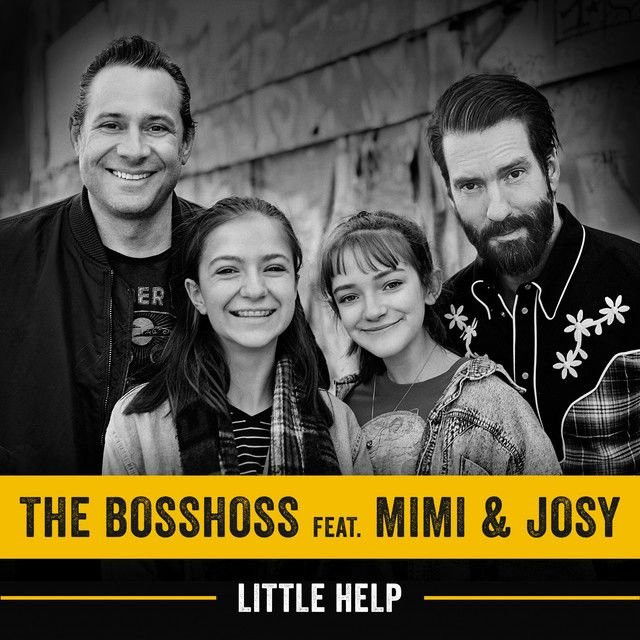
Little Help by The BossHoss, Mimi & Josy
The meaning of Little Help The BossHoss, Mimi & Josy centers on a simple warning: online attention is not the same as real care. The song looks at social media culture, fame-chasing, and the pressure to perform a perfect self. Against that, it offers something warmer and more human: friendship, patience, and honest support.
"Little Help" - The BossHoss, Mimi & Josy
Wanna get the most of all to gratify your desire
Wanna get the most admiration, the biggest slice
Loading lyrics...
Unable to load lyrics
We're unable to display the lyrics at this time. Please try again later.
The track sets up a sharp contrast. In the verses, they describe a person chasing visibility, praise, and digital approval. In the chorus, they answer that hunger with kindness. That structure matters because it turns the song from a complaint into a rescue plan.
A Digital World That Feels Empty
At its core, the song criticizes the modern need to be seen all the time. The lyrics describe someone who wants attention, admiration, and the "biggest slice" of public approval. They are not just posting for fun. They are building identity through reactions, likes, and status.
The songwriting is blunt about the cost. It suggests that constant self-display can turn private life into a product. When the song mentions being a public sell out
, it points to the idea that a person can trade real selfhood for visibility. That does not mean the song attacks technology itself. Instead, it questions what happens when screens become the main source of worth.
This is where the BossHoss style helps. The band is known for mixing rock, country, and pop energy, as noted on their official website. That approachable sound makes a serious message feel open rather than preachy.

Watch the official Little Help
music video
The Chorus Changes the Song's Moral Center
The most important move in "Little Help" is the chorus. After verses filled with vanity and digital pressure, the song suddenly offers steady companionship. The repeated line take my hand
shifts the focus from performance to presence.
This is not just sentimental writing. It answers the problem raised in the verses. If online life is built on unstable approval, then the cure is real loyalty. The chorus says, in effect, that when someone needs love, faith, or help, another person can still show up.
If you need a little help
I will be your friend
That short refrain carries the whole emotional weight of the song. It is direct, almost childlike, and that simplicity feels intentional. The writers seem to argue that the answer to a complicated digital culture may be something very basic: human friendship.
Who They Seem to Be Addressing
The song speaks to a person lost in image-making. They want responses, praise, and what the lyric calls virtual embraces
. Strangers are judging them, and their mood rises or falls with every reaction.
Interpretation: the speaker sounds like a friend watching someone drift away. There is frustration in lines that call out screen obsession, but there is also concern. Even the harsher moments feel less like a personal attack and more like an intervention.
That balance matters. Without the chorus, the song could sound mocking. With it, the song becomes compassionate. They are not just saying, “You are doing this wrong.” They are saying, “You do not have to live this way.”
Images of Fame, Devices, and Disconnection
Several recurring images build the song's theme:
- phones and batteries suggest temporary power
- likes and clicks suggest shallow approval
- anonymous comments suggest emotional distance
- friendship and touch suggest real-world care
One of the sharpest ideas is that fame online is only fame in a frame
. In plain terms, the song argues that digital celebrity can be trapped inside a screen. It looks important, but it may not hold up in daily life.
Another key image is the warning about what happens when someone “pulls the plug.” The point is clear: if identity depends on a platform, then that identity is fragile. The song imagines a person left alone once the system shuts off, and that image gives the track its emotional sting.
How the Sound Supports the Meaning
The production helps sell this message. The BossHoss often lean into punchy rhythm, roots-rock drive, and singalong hooks, and Mimi & Josy add youthful clarity and warmth. Their collaboration, highlighted in coverage from Universal Music Germany, makes sense for a song about guidance across generations.
Musically, the verses move with a brisk, almost nagging pulse, which mirrors the restless hunt for attention. The chorus opens up melodically and emotionally. That wider, more inviting feeling reinforces the promise of support.
Interpretation: this contrast in arrangement may be the song's smartest feature. The tense verses feel crowded, while the chorus feels spacious. In other words, the sound itself moves from pressure to relief.
Is the Song Anti-Social Media?
Not exactly. A simple reading would say the song is anti-phone or anti-Instagram. But the lyrics are more specific than that. They focus on obsession, self-marketing, and dependence on strangers' opinions.
That distinction is important for the meaning of Little Help The BossHoss, Mimi & Josy. The real target is not technology. It is emptiness disguised as connection. The song asks what happens when a person cannot look up from a device, cannot meet another person's face, and cannot feel valuable without feedback.
A second reading is possible too. Interpretation: the song may also reflect fear for younger people growing up in a fully online world. Mimi & Josy's presence strengthens that idea, making the track sound less like an old-fashioned rant and more like a cross-generational plea for balance.
Why the Song Still Connects
"Little Help" remains easy to understand because its problem is familiar. Many people know what it feels like to compare themselves, chase approval, or confuse attention with love. The song names that cycle without getting too abstract.
Its lasting point is hopeful. Even after listing vanity, judgment, and loneliness, it does not end in despair. It ends with an offer: friendship over fame, presence over performance, and care that lasts longer than a battery charge.
That is the strongest takeaway from the song. They present modern life as noisy and demanding, but they also insist that real help is still possible.
Disclaimer: This article offers informed interpretation based on the lyrics, performance, and available artist context. Song meanings can remain open to different listener readings.








