Why 'Wildwood Flower' Still Hurts
The meaning of Wildwood Flower The Carter Family version comes down to one simple tension: beauty cannot protect someone from heartbreak. The song sounds graceful and old-fashioned, but its emotional core is sharp. They sing about a woman who was cherished, then abandoned, and who must face the gap between romantic promise and painful truth.
"Wildwood Flower" - The Carter Family
With the roses so red and the lilies so fair
And the myrtle so bright with it's emerald hue
Loading lyrics...
Unable to load lyrics
We're unable to display the lyrics at this time. Please try again later.
A Broken Heart Hidden Inside Beauty
At first, the lyric leans on flowers, hair, color, and charm. That surface beauty matters because it shows how the narrator wants to present herself to the world. She imagines herself surrounded by roses and lilies, almost like she can dress sorrow in something lovely.
But the song is not really about decoration. It is about loss. When the singer says she will laugh and shine, that confidence feels partly defensive. In other words, the beauty imagery is a mask placed over grief.
A key turn comes with the short phrase my idol was clay
. That line shrinks a once-perfect lover into something ordinary and breakable. The dream of lasting devotion falls apart, and the song becomes a study in disillusionment.
Watch the official Wildwood Flower
music video
From Parlor Ballad to Country Standard
Factually, "Wildwood Flower" did not begin with the Carter Family. It is best known through their performance, but it descends from the 1860 song "I'll Twine 'Mid the Ringlets," with music by Joseph Philbrick Webster and lyrics attributed to Maud Irving, a pseudonym for J. William Van Namee, as summarized by reference histories of the song. Over time, the words shifted through oral tradition before The Carter Family recorded it for Victor in 1928.
That history matters for interpretation. The song carries both parlor-song polish and folk-song wear. By the time The Carter Family sang it, some lines had changed and become more mysterious. Those rough edges add feeling rather than taking it away.
Interpretation: Their version sounds less like a formal stage piece and more like a private wound passed down in public.
The Story Moves From Performance to Pain
The lyric unfolds in a clear emotional arc:
- The singer imagines beauty, music, and social power.
- She recalls promises of love.
- She wakes to betrayal.
- She names herself as the one neglected.
This shape is important. Early lines such as laugh shall be gay
and charm every heart
suggest control. She seems ready to dazzle others, or at least pretend she can.
Then the song reveals what sits underneath that pose. The lover had promised devotion, but he left without explanation. The phrase no word of farewell
makes the injury feel colder. This is not just lost love; it is abandonment without closure.
The Wildwood Flower as Self-Portrait
The title image gives the song its deepest meaning. The narrator is the flower. When he calls her his bloom, she seems valued while she serves his emotional needs. Later, she becomes the pale wildwood flower
, a symbol of tenderness left uncared for.
That image works on two levels:
- A flower suggests beauty and fragility.
- A wildwood flower suggests something natural, unprotected, and easy to overlook.
Interpretation: The song hints that the singer was never fully secure in the relationship. She was admired, even idealized, but not truly kept safe.
There is also a quiet irony here. Flowers are often used in love songs as signs of romance. In this one, the flower image becomes proof of vulnerability.
How the Carter Family’s Sound Deepens the Meaning
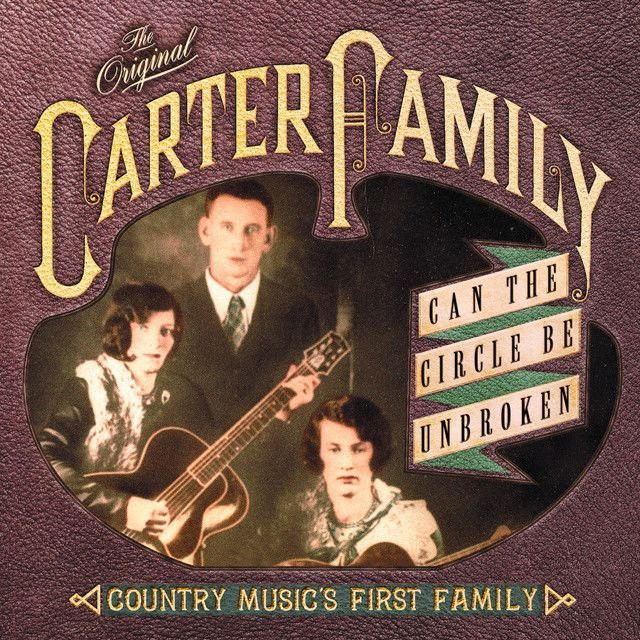
The Carter Family’s recording helped define the song for later listeners. Maybelle Carter’s guitar playing is especially important. Her melody-and-rhythm approach, often called the "Carter Scratch," lets the instrument carry tune and pulse at once. That gives the song forward motion without making it sound rushed.
The production is spare, and that spareness matters. There is no dramatic swell to tell listeners how to feel. Instead, the plain arrangement leaves room for the words to sting. Their singing sounds steady, almost matter-of-fact, which can make the sadness hit harder.
Interpretation: Because they do not oversell the heartbreak, the song feels more believable. The restraint mirrors the narrator’s effort to stay composed while speaking from pain.
Why Some Lines Sound Strange
Part of the song’s appeal is that some wording feels unusual or even blurred. That is a result of its long trip through print, performance, and folk memory. According to song histories, multiple variants existed under titles like "The Pale Wildwood Flower" and "Raven Black Hair" before and alongside the Carter Family version.
Instead of treating those odd phrases as mistakes, listeners can hear them as part of the song’s character. The slightly tangled language gives the lyric a dreamlike quality. It sounds like memory itself: beautiful, broken, and not fully tidy.
The Lasting Meaning of Wildwood Flower The Carter Family
So what is the meaning of Wildwood Flower The Carter Family recording? At its core, it is about the moment when romantic illusion collapses. The singer begins by surrounding herself with grace and color, but ends in the knowledge that devotion was not real enough to last.
What keeps the song alive is its balance of dignity and hurt. They do not sing only about being left. They sing about trying to hold onto poise after being emotionally reduced.
called me his flower
my idol was clay
Those two short ideas frame the whole song: first idealized, then abandoned; first cherished in words, then faced with truth.
In that sense, the song is not just an antique sadness. It is a timeless portrait of someone discovering that being adored is not the same as being loved.
Disclaimer: This interpretation combines documented history with informed reading of the lyrics and performance. Meanings can vary from listener to listener.








