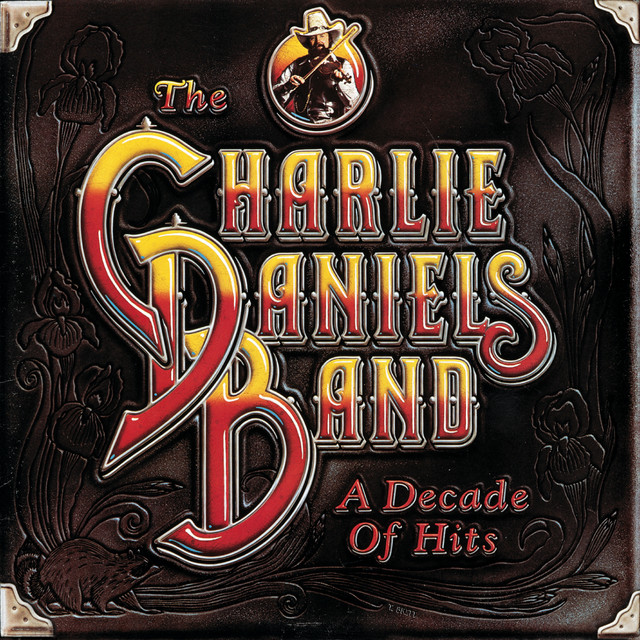
Uneasy Rider by The Charlie Daniels Band
The meaning of Uneasy Rider The Charlie Daniels Band starts with a joke, but it does not stay light for long. On the surface, the song is a funny road story about a nervous traveler, a flat tire, and a rough bar in Mississippi. Under that story, though, Charlie Daniels turns a comic scene into a snapshot of America in 1973: divided, suspicious, and quick to sort people by how they look.
"Uneasy Rider" - The Charlie Daniels Band
Toolin' along in my Chevrolet
Tokin' on a number and diggin' on the radio
Loading lyrics...
Unable to load lyrics
We're unable to display the lyrics at this time. Please try again later.
Released in June 1973 and later included on Honey in the Rock, the song became a major crossover hit, reaching No. 9 on the Billboard Hot 100, according to Wikipedia. That success makes sense. It sounds like a tall tale, but it also catches real tension between the counterculture and conservative Southern identity.
A Funny Story With Sharp Edges
Factually, “Uneasy Rider” is a spoken-word narrative written and produced by Charlie Daniels. It rides on a loose guitar-driven groove often described as talking blues or talking bluegrass. That format matters because it lets Daniels tell the story almost like a stand-up comic, piling detail on detail until the danger and absurdity hit at the same time.
The narrator is a long-haired driver heading to Los Angeles. His car breaks down near Jackson, Mississippi, and he ends up in a bar that feels hostile the second he walks in. Even before the confrontation begins, the song frames him as out of place. Phrases like peace sign
mark him as part of the hippie era, while the bar is coded as proudly local, conservative, and defensive.
Interpretation: The song is really about what happens when visible identity becomes a trigger. The narrator is not judged by his words first. He is judged by his hair, his car, and what those signs seem to represent.

Watch the official Uneasy Rider
music video
How the Plot Builds the Theme
Daniels tells the story in a clean sequence, and each beat raises the pressure:
- A road trip goes wrong with a flat tire.
- The narrator stops at a bar because he has no better option.
- Locals notice the car and then the man.
- His disguise fails when his hair falls out from under his hat.
- To escape a beating, he invents a wild political lie.
- The lie works long enough for him to flee.
That middle section is the heart of the song. The narrator senses real risk in being trapped in Jackson Mississippi
on a Saturday night. So he survives by using the crowd’s own fears against them. He points at another man and calls him a spy, claiming he wants to infiltrate the Ku Klux Klan
. The accusation is ridiculous, but it works because the room is already primed for paranoia.
He's an undercover agent
for the FBI
This brief moment shows how the song’s humor works. Daniels makes the scene funny by exaggeration, but the joke lands because everyone in the bar is ready to believe the worst if it fits their worldview.
Culture Clash, 1973 Style
The title echoes the 1969 film Easy Rider, and that reference helps explain the song’s point. In the film, counterculture travelers face violent rejection in the South. Daniels flips that image into a comic version: not motorcycles, but a Chevrolet; not tragic martyrdom, but frantic improvisation.
According to American Songwriter, Daniels later said he imagined placing a hippie-looking character in a “fictitious situation” inside a redneck bar because he found that attitude funny. That is useful context. He was not presenting a documentary scene. He was building a satire from recognizable social types.
Interpretation: The song laughs at both sides, but not equally. The narrator is a nervous drifter who stereotypes the locals. At the same time, the locals are shown as easy to provoke, deeply political, and obsessed with conformity. The humor comes from mutual distrust, but the danger comes from the crowd.
Why the Sound Matters So Much
Musically, “Uneasy Rider” is simple on purpose. The steady acoustic feel, light groove, and near-spoken vocal keep the focus on timing and language. Daniels was an expert player, yet he does not crowd the track with flashy moves. Instead, the arrangement acts like a moving car: always rolling forward.
That production choice strengthens the meaning of Uneasy Rider The Charlie Daniels Band. Because the music stays relaxed, the rising panic feels even funnier and stranger. The song never explodes into a huge chorus. It just keeps talking, which makes the story feel like someone breathlessly retelling the wildest night of their trip.
There is also a tension between sound and subject. The groove feels casual, but the social setting is loaded with menace. That mismatch is central to the song’s effect.
The Song’s Most Revealing Details
A few details do extra work. The car, the hair, and the route to Los Angeles all signal freedom and youth culture. The bar stands for local power, where outsiders are watched and tested. The final joke about going to LA by Omaha shows how badly the encounter rattled him. He would rather take a ridiculous detour than face that region again.
The song’s language also matters. References to George Wallace, George McGovern, and John Birch ideas place it firmly inside early-1970s political anxiety. Daniels turns those names into comic tools, but they show that this is not just about one scary bar. It is about a country arguing over patriotism, masculinity, race, and belonging.
Final Take on Its Meaning
So, what is the meaning of Uneasy Rider The Charlie Daniels Band? It is a comic escape story about surviving a hostile space by reading the room faster than the room reads you. More broadly, it is a satire of American tribalism, where appearance can decide guilt, and fear can be manipulated with the right slogans.
That is why the song still works. It is funny, fast, and full of colorful details, but it also shows how flimsy social trust can be. People laugh at the ending, yet the unease in the title is real.
Disclaimer: This interpretation separates documented facts about the song from critical reading. As with most story songs, listeners may hear its humor, politics, and targets a little differently.







