Why 'Landslide' by Dixie Chicks Still Resonates
The meaning of Landslide Dixie Chicks starts with a simple fear: life changes, and people do too. Their version of Stevie Nicks' classic is not just a faithful cover. It turns a private, reflective song into something warm, communal, and deeply human.
"Landslide" - Dixie Chicks
Climbed a mountain then I turned around
And I saw my reflection in the snow covered hills
Loading lyrics...
Unable to load lyrics
We're unable to display the lyrics at this time. Please try again later.
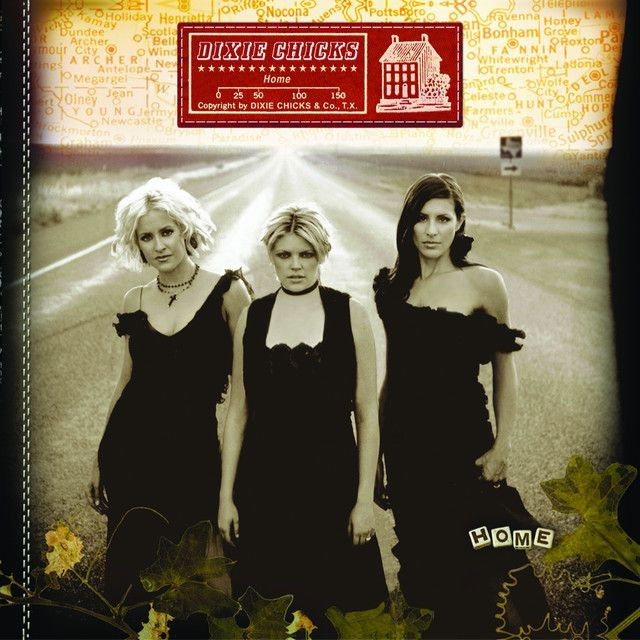
Released in 2002 on Home, the Dixie Chicks' recording became a major hit, reaching No. 7 on the Billboard Hot 100 and No. 1 on Adult Contemporary, according to widely cited chart records summarized by Wikipedia. That success makes sense. They found the tenderness already inside the song and brought it forward.
A Song About Change That No One Escapes
At heart, the song is about standing still long enough to admit that life feels unstable. The speaker looks back, measures love against time, and wonders whether they are strong enough to keep going.
Early lines present a climb, a turn, and a reflection in nature. That movement matters. The narrator reaches a higher point, looks around, and suddenly sees the truth. When the lyric mentions snow covered hills
, it suggests both beauty and distance. Then the title image, the landslide
, turns that beauty into collapse.
Interpretation: the landslide is less about a literal disaster and more about an emotional one. It is the moment when self-knowledge arrives hard and fast.

Watch the official Landslide
music video
Stevie Nicks Wrote It From Real Uncertainty
Factually, "Landslide" was written by Stevie Nicks, not the Dixie Chicks. Nicks said she wrote it while thinking about whether to keep chasing music with Lindsey Buckingham or return to school, during a difficult period before Fleetwood Mac changed their lives. She later connected the song to her time in Aspen, where the mountains helped shape its imagery, as summarized by Wikipedia.
That origin story sharpens the song's meaning. This is not abstract poetry for its own sake. It comes from a real crossroads, where love, ambition, money, and identity all felt uncertain.
Natalie Maines was reportedly drawn to the song because she was around the same age Nicks had been when she first performed it, again noted in the same source. That detail helps explain why the cover feels sincere rather than borrowed.
The Big Questions Sit at the Center
The emotional center of the song is not a dramatic event. It is a series of questions. The narrator asks what love means, whether the inner self can rise, and whether they can survive life's shifts.
One short phrase captures that anxiety: seasons of my life
. Instead of describing one breakup or one crisis, the song widens the lens. Life comes in phases. Each one asks for a new version of the self.
I've been afraid of changin'
Cause I built my life around you
Those lines are the clearest statement in the song, and they explain why it hits so hard. The fear is not change alone. The fear is losing direction because so much of life was organized around another person.
Interpretation: this can describe romantic love, but it can also fit family, partnership, or even a dream someone has built their identity around.
How the Chorus Turns Fear Into Wisdom
The most memorable part of the song moves from fear to acceptance. The narrator admits they are aging and that time keeps moving. The phrase time makes you bolder
is especially important because it does not pretend that change gets easier. Instead, it suggests courage grows because change leaves no other choice.
That is why the next idea matters so much: I'm getting older too
. It sounds obvious, but in the song it lands like a revelation. The speaker stops resisting reality and names it.
This is the difference between sadness and maturity. They are not celebrating loss. They are recognizing that growing older means learning how to live with it.
Why the Dixie Chicks Version Feels So Intimate
The Chicks recorded "Landslide" for Home in 2002, with production credited to the group and Lloyd Maines, according to Wikipedia. Their arrangement leans into acoustic instruments, soft dynamics, and close harmony. That country-folk setting fits the song beautifully.
Fleetwood Mac's original is spare and haunting. The Dixie Chicks keep that delicacy, but their harmonies add a sense of shared feeling. Instead of sounding like one person alone with a hard truth, this version can feel like truth spoken among people who understand it.
That matters for interpretation. The song's worries about aging and change become less isolating in their hands. The performance says: everyone reaches this point eventually.
Symbols That Carry the Meaning
Several images do most of the song's emotional work:
- Mountain: a hard climb, but also perspective.
- Mirror: self-examination and honesty.
- Ocean tides: constant movement no one controls.
- Seasons: aging, cycles, and emotional stages.
- Landslide: sudden inner collapse or life disruption.
None of these images are overly complicated. That simplicity is part of the song's power. As Sheryl Crow once said of "Landslide," quoted in summary form on Wikipedia, its vulnerability and simplicity are central to why it lasts.
Why It Still Connects
The meaning of Landslide Dixie Chicks endures because the song names a feeling many people struggle to say out loud: they are scared that change will undo the life they built. Yet the song also offers a quiet answer. Time moves. People age. Love changes shape. And still, they go on.
The Dixie Chicks did not need to rewrite the song to make it theirs. They simply sang it with enough grace and emotional clarity to let new listeners hear themselves in it.
Final Thought
Interpretation: their version of "Landslide" is about the painful moment when self-reflection becomes unavoidable, and the equally important moment when that pain turns into wisdom.
Meaning in songs can vary from listener to listener, and this reading is one informed interpretation based on the lyrics, artist context, and recording history.








