Why 'A Letter To Elise' Still Hurts
The meaning of A Letter To Elise The Cure comes down to a painful realization: sometimes love remains, but the relationship cannot. The song sounds like a farewell written in real time, with the narrator trying to explain why staying would only repeat the same damage.
"A Letter To Elise" - The Cure
I just can't stay here every yesterday
Like keep on acting out the same
Loading lyrics...
Unable to load lyrics
We're unable to display the lyrics at this time. Please try again later.
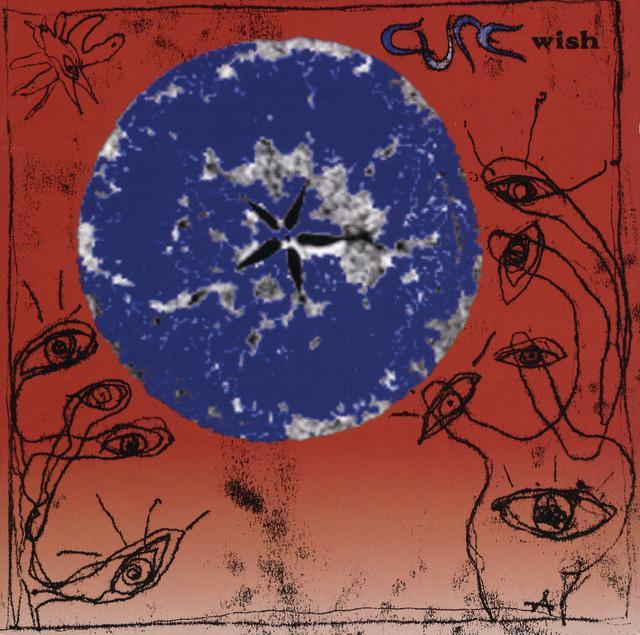
Released on Wish in 1992, the track sits beside more upbeat songs like “Friday I’m in Love,” showing how wide The Cure’s emotional range was during that era. Critics have noted that Robert Smith drew on the letter-like style of Franz Kafka’s Letters to Felice, which helps explain why the song feels so direct and intimate, almost like a private note the listener was never meant to read.
A breakup song about memory, not anger
At its core, this is not a revenge song. It is a song about emotional exhaustion. The narrator is not attacking Elise; they are admitting that both people are trapped in familiar habits.
Early on, the song circles the idea of living in the past with the phrase every yesterday
. That small phrase matters because it turns memory into a place. They are not just remembering better days; they are stuck re-enacting them.
The song also points to a shared performance between two people. When it mentions smiling, forgetting, and pretending, it suggests a relationship held together by routine rather than real repair. Interpretation: this makes the track less about one fight and more about the collapse of a long, repeating pattern.

Watch the official A Letter To Elise
music video
Who is speaking to Elise?
The speaker sounds close to Elise but emotionally shut out from her. One of the song’s sharpest confessions is get inside of you
, which expresses how impossible true closeness has become.
That line does not mean simple mystery. It suggests a deeper barrier: the narrator can see her, desire her, and still not reach her. In that sense, the song is full of intimacy without connection.
There is also self-blame. The narrator remembers promises, dreams, and expectations that did not survive reality. Instead of saying Elise alone caused the breakup, they admit their own hope was part of the illusion.
The chorus turns nostalgia into a trap
The chorus is central to the meaning of A Letter To Elise The Cure because it keeps returning to the same emotional truth: they cannot stay in a place built from repetition. The line it doesn't matter what you say
may sound cold at first, but in context it feels defeated rather than cruel.
They are not saying Elise has no voice. They are saying words cannot fix what actions, patterns, and emotional distance have already worn down. By the time the chorus comes back, it sounds like the speaker is trying to convince themselves as much as Elise.
I just can't stay here every yesterday
There's nothing else I can really do
That brief pairing captures the song’s arc: first, the refusal to remain frozen in old pain; then, the acceptance that leaving may be the only honest choice.
Images of loss that make the song sting
The lyrics use simple images, but they carry a lot of emotional weight. The most powerful is the idea of trying to hold on to something that keeps slipping away, captured in falling sand
. It shows effort without control.
Another striking image is the face that reflects back the way I wanted to
. That moment hints that the narrator may have loved a dream as much as a real person. Interpretation: the relationship may have failed partly because desire and reality never matched.
The song also mixes touch, sight, and motion: eyes, hands, tears, throwing things away. These physical details keep the heartbreak grounded. Instead of abstract sadness, the listener gets the feeling of someone trying and failing to hold a life together.
Why the music sounds so wounded
The Cure recorded “A Letter To Elise” for Wish, an album released through Fiction/Elektra in 1992. The band is widely associated with alternative rock, pop, and gothic moods, and this song blends those qualities in a particularly elegant way.
The arrangement is key to why it hits so hard. Clean, chiming guitars create a bright surface, but the rhythm section keeps the song steady and heavy underneath. That contrast mirrors the lyric: outward composure covering deep disappointment.
Robert Smith’s vocal delivery matters just as much. He does not sing the song like a dramatic collapse. He sounds controlled, then cracked at the edges, which fits a narrator who has already cried, argued, and replayed everything in their head.
Context around the song’s letter-like style
American Songwriter described the track as an “epistolary” lyric about a dying love affair, noting that Smith’s Kafka influence helped shape its confessional structure. That framing is useful because the song really does read like a message sent when there is almost nothing left to negotiate.
The title matters here too. “A Letter To Elise” implies distance before the song even begins. Letters are intimate, but they are also indirect. They reach someone who is not fully present.
Interpretation: that may be why the song feels so lonely. Even while addressing Elise by name, the narrator never sounds sure she can truly hear or understand what is being said.
Final takeaway on its lasting power
What keeps this song alive is how plainly it captures a hard truth: love can be sincere and still fail. The meaning of A Letter To Elise The Cure is not just heartbreak. It is the moment when someone sees that memory, fantasy, and apology are no longer enough to save what once felt essential.
That is why the song lingers. It turns private regret into something widely recognizable: the ache of wanting to stay, while knowing they cannot.
Disclaimer: This article offers an informed interpretation based on the lyrics, The Cure’s release history, and published commentary. Song meaning can remain open to personal interpretation.








