
Cavalry Captain by The Decemberists
The meaning of Cavalry Captain The Decemberists centers on a bold promise: someone steps forward like a rescuer, offers comfort, and tries to create a brief moment where life feels vivid again. The song is short, repetitive, and almost mantra-like, which makes its message feel less like a story and more like a spell.
"Cavalry Captain" - The Decemberists
I am the remedy to your heart
I am the carbon collected
Loading lyrics...
Unable to load lyrics
We're unable to display the lyrics at this time. Please try again later.
Written by Colin Meloy, “Cavalry Captain” appeared in the same period as What a Terrible World, What a Beautiful World, and its later video pushed the song into playful pseudo-spiritual territory. As Pitchfork reported, the clip cast the band as leaders of a new-age movement called “Decemberism,” with Meloy in a guru-like role. That context matters because it suggests the song may be serious in feeling while also gently mocking the language of salvation.
A Rescue Song That Sounds Half-Sincere
At the center of the lyric is a speaker who keeps introducing themself with grand claims. They say I am the cavalry captain
and the remedy to your heart
. In plain terms, the voice presents themself as both military protector and emotional healer.
That double image is the key to the song. “Cavalry” hints at old battle scenes and the idea of rescue arriving just in time. “Remedy” turns that rescue inward, toward pain, loneliness, or spiritual emptiness. The song does not explain whether this speaker is a lover, a leader, a fantasy, or an inner voice. Interpretation: that uncertainty is the point. The promise matters more than the identity.
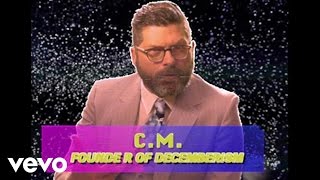
Watch the official Cavalry Captain
music video
Why the Chorus Feels So Urgent
The chorus narrows everything down to one idea: even a tiny moment of connection can matter. The repeated line only for a second
leads into the larger claim that we'll be alive
. They are not promising permanent healing. They are promising a flash of aliveness.
That is what gives the song its emotional force. Instead of saying life will stay beautiful, it suggests that meaning can arrive in bursts. A second, a short stretch of time, a break in numbness—that may be enough to change how someone feels.
A single mantra at the heart
And if only for a second
And if only for a time
We'll be alive
Those lines work like a chant. They strip away detail and leave only intensity. Interpretation: the song treats life not as a stable state, but as something people keep trying to reach.
Symbols of Light, Motion, and Fate
Several images make the lyric feel larger than a simple love song. When the song mentions sharp shine your eyes
, it paints the other person as both dazzled and disoriented. They seem bright, but also lost.
Then comes the phrase about the “light brigade,” which echoes military history and doomed forward motion. Even without spelling out a full narrative, the song ties desire to risk. To move toward life is also to move toward danger, illusion, or disappointment.
Another unusual image is printing upon your stars
. That sounds like fate being stamped, written, or marked. Interpretation: the speaker may be claiming cosmic importance, as if they can rewrite destiny. But because the phrase is so ornate, it can also sound inflated on purpose. That fits The Decemberists well: they often use old-world or literary language to create characters who are dramatic, flawed, and a little theatrical.
The Decemberists Context Changes the Reading
The Decemberists have long mixed folk storytelling with clever historical and literary references, and Colin Meloy is known for writing in character. That background makes “Cavalry Captain” feel less like a diary entry and more like a performed role. The voice may be trying on authority.
The video context strengthens that reading. According to Pitchfork, the band framed the song around a made-up belief system called Decemberism, complete with comic promises and cult imagery. Seen through that lens, the song can be heard as a satire of charismatic figures who claim they can save people from pain.
Still, the satire does not cancel out the feeling. The Decemberists often let irony and sincerity sit side by side. They may be poking at messianic language while also admitting that people deeply want someone—or something—to tell them they can feel whole again.
How the Sound Supports the Meaning
Musically, the song’s repetition is doing heavy lifting. Rather than unfolding a complex plot, it circles the same phrases until they feel hypnotic. That gives the track a ritual quality, which matches the spiritual and cult-like imagery around it.
The arrangement also helps sell the tension between uplift and control. The beat and melodic repetition feel communal, almost like a group affirmation, while Meloy’s delivery keeps a slightly formal edge. That balance makes the song feel inviting and a little suspicious at the same time.
Interpretation: the production mirrors the lyric’s central question. Is this comfort, manipulation, or both? The song never fully answers.
Two Strong Ways to Read It
There are at least two persuasive interpretations of the meaning of Cavalry Captain The Decemberists:
- A love song in disguise. The speaker tells a wounded person that even brief closeness can bring them back to life.
- A satire of savior figures. The speaker uses huge, mystical language to sell hope the way a cult leader, self-help guru, or false prophet might.
The strongest reading may be the blend of both. The song understands why people are drawn to rescue myths, because sometimes those myths really do help them survive another day.
Why the Song Still Lingers
“Cavalry Captain” stands out because it says something simple in a grand, strange costume. Beneath the military and cosmic imagery is a small human wish: to feel awake, connected, and less alone, even briefly.
That is why the refrain lands. It does not promise forever. It promises a moment. And sometimes, The Decemberists suggest, a moment is enough.
Disclaimer: This interpretation is based on the song’s lyrics, The Decemberists’ broader style, and public context around the video. As with most art, listeners may reasonably hear it differently.







