Why 'What a Fool Believes' Still Cuts Deep
The meaning of What a Fool Believes The Doobie Brothers starts with a painful idea: sometimes a person can believe in a love story that never really existed the way they remember it. The song is not simply about romance. It is about memory, denial, pride, and the way hope can distort the past.
"What a Fool Believes" - The Doobie Brothers
The sentimental fool don't see
Trying hard to recreate what had yet to be created
Loading lyrics...
Unable to load lyrics
We're unable to display the lyrics at this time. Please try again later.
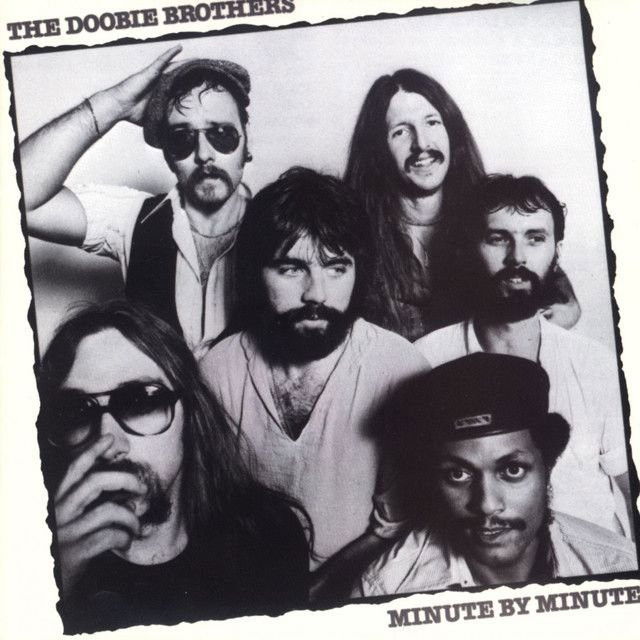
Released on the Doobie Brothers' 1978 album Minute by Minute, the song was written by Michael McDonald and Kenny Loggins and became one of the band's signature hits, winning major honors at the Grammy Awards. That success matters, because the song hides a sad story inside a polished, radio-friendly groove. Its softness makes the emotional confusion hit even harder.
A Love Story Built on Misreading
At the center of the song is a man meeting a woman from his past. He thinks their history was meaningful and maybe unfinished. She does not seem to share that view. From the opening image of someone coming from somewhere back in her long ago
, the lyric frames him as a figure from memory, not the present.
The key tension is simple: he believes he is reconnecting with a lost love, while she appears to be offering little more than polite kindness. The song suggests that he is trying to revive a relationship that never became what he imagined. When the lyric calls him a sentimental fool
, it does not mock him cruelly. It shows how emotion can overpower reality.
Watch the official What a Fool Believes
music video
The Real Drama Happens Inside His Mind
This is why the song feels so mature. There is no big argument, no dramatic breakup scene, and no villain. The heartbreak comes from perception. He sees signs of hope where there are none.
How the verses build that illusion
The verses describe a man reconstructing a past that may have been more fantasy than fact. He is trying hard to recreate
something that, as the song hints, was never fully there. She gives him a smile, listens, maybe even apologizes, but those gestures do not equal love.
Instead, the lyric shows him turning small moments into proof. That is the song's emotional trap. He cannot separate what happened from what he wishes had happened.
Why the Chorus Hurts So Much
The chorus delivers the song's main truth: what a fool believes he sees
cannot easily be argued away. That line is brilliant because it avoids saying he is lying. He really does believe what he sees. The problem is that belief itself changes the picture.
The next idea deepens the tragedy. Even wisdom cannot fully talk a person out of a comforting illusion. In plain terms, once someone wants a story to be true, logic often loses. The song adds another sharp insight with always better than nothing
. Even a false hope can feel preferable to emptiness.
What a fool believes he sees
No wise man has the power
To reason away
Those lines explain the whole song: emotional need beats clear judgment. He is not just remembering; he is protecting himself from loss.
Sound That Smiles While the Story Sinks
Part of what makes the song unforgettable is the contrast between sound and subject. The arrangement is sleek, bright, and airy. Michael McDonald's blue-eyed soul phrasing, layered keyboards, and smooth rhythm section create an easy glide that feels almost optimistic.
That contrast is not accidental in effect, even if intent can only be partly known. The music sounds like comfort, while the lyric shows self-deception. This split gives the song its strange power. They can dance to it, but the story underneath is quietly devastating.
The Doobie Brothers were changing in this era, moving from their earlier guitar-driven style toward a smoother, keyboard-led sound shaped by McDonald. That shift is clear on the Minute by Minute album. Here, the polished production mirrors the man in the song: refined on the surface, unsettled underneath.
Artist Context Adds Another Layer
Factual context helps the interpretation. Kenny Loggins and Michael McDonald wrote the track together, and both were skilled at mixing pop clarity with emotional complexity. Critics and listeners often place the song within the late-1970s soft rock and yacht rock lane, but that label can undersell how psychologically sharp it is.
Michael McDonald's voice matters too. He does not sing the story with anger. He sounds compassionate, almost knowing. That vocal choice keeps the song from feeling harsh. Instead of saying, "look at this pathetic man," the performance suggests, "this is a deeply human mistake."
Two Strong Readings of the Song
Interpretation 1: The most common reading is that the song is about a man who mistakes courtesy for renewed love. She has moved on, and he has not. He sees a future because he cannot let go of his version of the past.
Interpretation 2: A second reading is broader. The song can be heard as a comment on memory itself. People often rewrite their lives into cleaner, sweeter stories. In that sense, the fool is anyone who prefers a beautiful illusion to a painful fact.
Both readings fit because the lyric stays just open enough to feel personal. It never over-explains.
Why the Song Still Connects
The meaning of What a Fool Believes The Doobie Brothers remains powerful because almost everyone knows this feeling in some form. They may not chase an old flame, but many people hold onto a version of events that helps them survive disappointment.
That is why the song endures. It understands that false hope can be tender, not just foolish. It recognizes the gap between what happened and what the heart wants to believe happened.
In the end, the song is less about romance than about human nature. People do not just remember the past. They edit it, polish it, and sometimes live inside it.
Disclaimer: This interpretation blends documented song context with informed reading of the lyrics and sound. As with many classic songs, listeners may hear different meanings.









