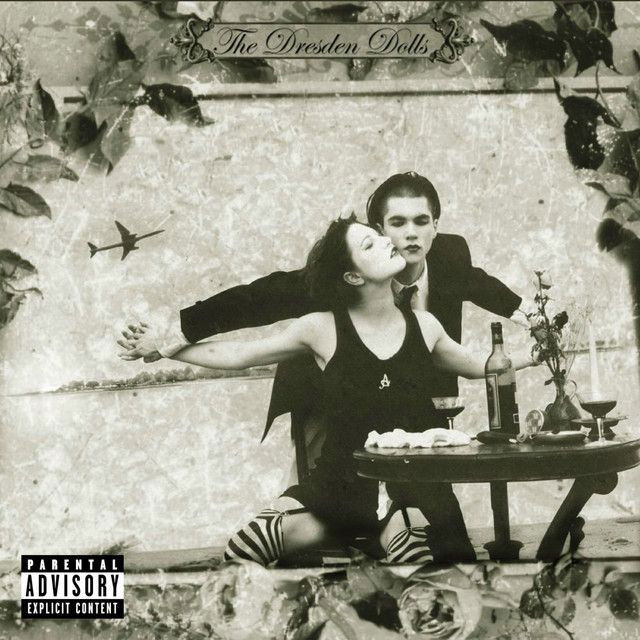
Why 'Girl Anachronism' Feels So Unsettling
The meaning of Girl Anachronism The Dresden Dolls comes from a simple but painful idea: the speaker feels out of step with the world, with other people, and even with their own body. On the surface, the song piles up images of scars, pills, broken objects, and public collapse. Underneath, it is about shame, misread intentions, and the fear that real pain will be dismissed as performance.
"Girl Anachronism" - The Dresden Dolls
You can tell from the scars on my arms
And the cracks in my hips
Loading lyrics...
Unable to load lyrics
We're unable to display the lyrics at this time. Please try again later.
The song was written by Amanda Palmer and appeared on The Dresden Dolls in 2004, the debut album by the Boston duo The Dresden Dolls. Palmer has said the title connects to feeling out of place, and she also tied some of the song’s imagery to being born by Caesarean section, a detail she turned into what she called a “poetic excuse for lopsidedness” in a Songfacts interview.
The Real Heart of the Song
What makes this song hit so hard is that it does not just say the narrator is hurting. It says they are aware of how that hurt looks from the outside. The opening images suggest a life marked by damage and impulsiveness. When the speaker says they are not the carefullest of girls
, the line sounds funny for a second, then sad. It frames chaos as something obvious, even visible.
Interpretation: the song is not only about self-destruction. It is also about being trapped inside a reputation. The narrator already knows what people think when they walk into the room.
That becomes clearer when the lyrics suggest doctors and observers have seen it all before. The speaker expects disbelief, pity, and distance. In other words, the song dramatizes what happens when someone needs help but suspects everyone has already made up their mind.

Watch the official Girl Anachronism
music video
A Voice Split Between Confession and Performance
One of the smartest things in the lyric is how often the speaker questions their own motives. They describe themselves as pretending to be you
and later call their passion a plagiarism
. Those phrases make the identity crisis feel bigger than one bad night.
The narrator does not just feel unstable. They feel copied, secondhand, and artificial. They worry they are performing normalcy rather than living it.
That tension connects to Palmer’s explanation of accidentally on purpose
. In the Songfacts interview, she said the phrase came from her parents’ sarcastic response when she got hurt, and that it left her second-guessing her own instincts and intentions. That context matters because the song keeps asking a brutal question: if people think someone is acting out, can they still recognize real suffering?
Why the Title Matters So Much
An anachronism is something out of its proper time or order. Songfacts defines it that way and notes Palmer used the idea to express feeling out of place. In the song, that concept becomes personal, almost like a diagnosis.
I might join your century
But only on a rare occasion
This brief refrain is one of the key clues to the song’s meaning. The speaker is not simply saying they are quirky or unconventional. They feel unable to fully enter the shared reality other people seem to inhabit so easily.
Interpretation: “century” acts like a symbol for social belonging. To “join” it would mean becoming legible, stable, and accepted. The narrator can only do that sometimes.
The Caesarean Image as Myth and Metaphor
The song repeatedly returns to early birth and bodily removal. Palmer told Songfacts that her mother moved the planned surgery date by a couple of days because of a superstition about numbers, and Palmer later treated that story as a poetic explanation for feeling “lopsided.”
That story does not prove the song is literally about birth trauma. But it does show how Palmer built a personal myth out of origin details. When the lyric suggests the speaker was taken out too soon, it turns birth into metaphor: they entered life misaligned, unfinished, or badly timed.
That idea lands in the refrain the girl anachronism
. The title character is not just troubled. They are introduced as a person who feels historically and emotionally misplaced.
How the Music Carries the Meaning
The Dresden Dolls were known for their “Brechtian punk cabaret” style, a label widely associated with the duo’s theatrical piano-and-drums setup. That sound is essential to the song’s meaning.
The piano does not glide; it rushes and stabs. The drums feel like panic made physical. Palmer’s vocal swings between sneer, confession, and near-breakdown. Together, those elements make the song sound as unstable as the narrator feels.
This matters because the arrangement keeps the listener in a state of uncertainty. Is this a meltdown, a stage act, a plea, or all three at once? The production refuses to separate those possibilities neatly, which mirrors the lyric’s anxiety about being seen as attention-seeking.
A Song About Being Seen Wrong
Another key to the meaning of Girl Anachronism The Dresden Dolls is the fear of contamination. The speaker warns others not to get too close, as if pain itself could spread. That exaggeration is theatrical, but it also reveals deep shame.
The song’s images of bruises, broken strings, smoke, pills, and bandages create a world where inner crisis always becomes visible. There is no private wound here. Everything leaks into the room.
Interpretation: that is why the song remains so powerful. It captures the awful middle ground between wanting help and hating the way help-seeking looks to others.
Why It Still Connects
Listeners still return to “Girl Anachronism” because it gives a sharp language to feelings many people struggle to describe: alienation, self-doubt, and the fear of being too much. It is dramatic, but its drama has a purpose. It turns private disorder into a public performance so the audience can feel how humiliating that exposure is.
In the end, the song does not offer a cure. It offers recognition. And for many fans, that is exactly why it lasts.
Disclaimer: This interpretation is based on the lyrics, documented artist comments, and the song’s musical presentation. As with any art, listeners may hear different meanings in it.









