Why 'Jawbone and the Air-Rifle' Feels Cursed
The meaning of Jawbone and the Air-Rifle The Fall starts with a simple setup and then turns nasty. The song follows a rural hunter, already unhappy with his life, who fires a careless shot and stumbles into something darker than a mistake. What begins as boredom and petty violence becomes a curse story, a class portrait, and a hallucination all at once.
"Jawbone and the Air-Rifle" - The Fall
And said goodbye to his infertile spouse
Carried air rifle and firm stock of wood
Loading lyrics...
Unable to load lyrics
We're unable to display the lyrics at this time. Please try again later.
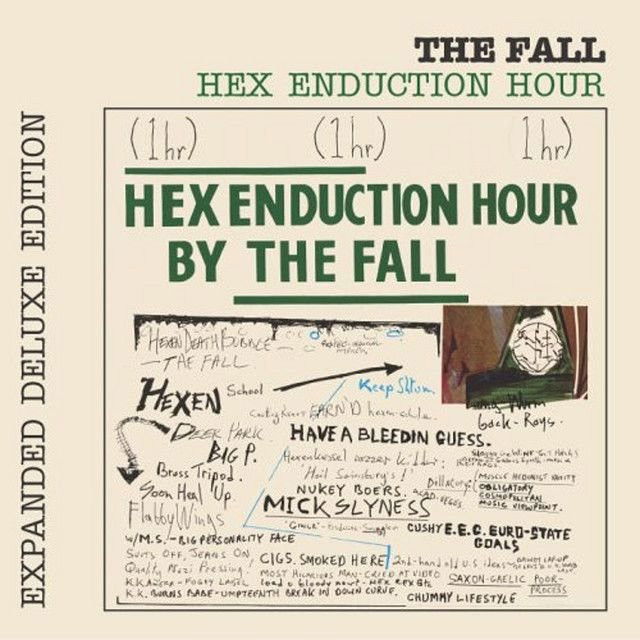
This track appears on Hex Enduction Hour, The Fall's 1982 album, released by Kamera and produced by Richard Mazda and Mark E. Smith. It is the second track on a record famous for its raw sound and literary ambition, with Smith saying he wanted the lyrics to feel like reading "a really good book" rather than disposable pop writing (Wikipedia). That goal matters here: this is less a confession than a compact folk-horror tale.
A rural tale that turns into punishment
At the start, the song introduces a "rabbit killer" leaving home with his weapon and emotional emptiness. The details are plain and local: a spouse, a hill path, a cemetery, mud. The setting feels ordinary, even shabby, which makes the later curse more disturbing.
Interpretation: The man is not presented as a grand villain. They seem small, frustrated, and spiritually numb. When he admits he gets no thrill from family life, work, or drink, the song links private boredom with the urge to roam, stalk, and fire at something weaker.
That is why the refrain hits so hard. When the song repeats Jawbone and the air rifle
and asks Who would think they would bring harm?
, it sounds ironic. Of course they bring harm. The point is that ordinary objects can carry ugly force when they fall into damaged hands.
Watch the official Jawbone and the Air-Rifle
music video
The plot moves from accident to hex
The story turns when the hunter fires a mis-placed shot
and damages a tomb. That accident is important. He does not march into evil on purpose. Instead, casual recklessness opens the door.
Then the grave-keeper steps in, almost like a folk-tale judge. He orders the man to explain himself and introduces the jawbone, described as linked to the Broken Brothers Pentacle Church
. Whether listeners take that church literally or not, the moment changes the song's logic. It stops being just social realism and becomes ritual punishment.
And here is a jawbone caked in muck
Carries the germ of a curse
After that, the singer's world rots from the inside. He cannot eat, cannot look at meat, and starts seeing jawbones everywhere. Ads become predators. Workers become bones. Even distant islands turn slimy and diseased.
What the jawbone and rifle represent
The air rifle and jawbone are a brilliant pairing because they come from different worlds.
- The air rifle suggests boredom, control, and casual masculine aggression.
- The jawbone suggests ancient violence, death, speech, and appetite.
- Together, they connect modern frustration to something older and almost mythic.
Interpretation: The rifle is the tool he chooses; the jawbone is the force that chooses him back. One is a modern prop for weak power. The other feels primitive, cursed, and bodily. That may explain the refrain's shifting wording, including One is cursed and one is borne
and later one is gone
. The categories keep sliding, as if the man can no longer tell weapon from wound.
There is also a deeper body horror here. A jawbone is what lets a person eat and speak. Once the curse takes hold, hunger, teeth, meat, and mouths all become disturbing. The punishment is not just fear. It invades appetite and identity.
Social anger under the folk horror
The song is weird, but it is not random. The hunter says he has been laid off, feels guilty when drunk, and has no war to give his aggression a purpose. Those lines place him in a social world shaped by dead-end work and stale domestic life.
Interpretation: The Fall may be showing how a damaged idea of manhood curdles in idleness. The man wants action, power, and excitement, but only finds a small gun, a graveyard, and a curse. He is pathetic before he is frightening, which makes the story sharper.
This fits Mark E. Smith's larger style. Critics often described Hex Enduction Hour as abrasive and immersive, while later summaries note its blend of Northern realism and magic realism (Wikipedia). In that light, the song reads like a working-class ghost story where social collapse and supernatural punishment are part of the same nightmare.
How the sound deepens the meaning
The production matters a lot. Hex Enduction Hour was recorded in deliberately rough conditions, including sessions in Hitchin and Iceland, and the album is known for its raw, low-fidelity attack (Wikipedia). The Fall's two-drummer lineup on the album helps create pressure and forward motion, while the guitars scrape rather than soothe.
That roughness supports the song's meaning. A polished version might have sounded theatrical. This one feels lived-in, muddy, and unstable. Smith's vocal style does not calmly narrate the curse; they shove it at the listener like bad news overheard in a pub, a graveyard, or a dream.
The clearest takeaway
So, what is the meaning of Jawbone and the Air-Rifle The Fall? Most clearly, it is a story about how boredom, resentment, and small acts of cruelty can summon a larger moral and psychological collapse. The curse may be supernatural, but it also feels like guilt given physical form.
That dual reading is why the song lasts. It works as folk horror, social satire, and a portrait of a mind turning against itself. In true Fall fashion, it never explains too much. It just lets the mud, the tombs, the weapon, and the jawbone do the work.
Disclaimer: This interpretation separates documented context from critical reading. Like many songs by The Fall, its meaning stays partly open and may land differently for different listeners.







