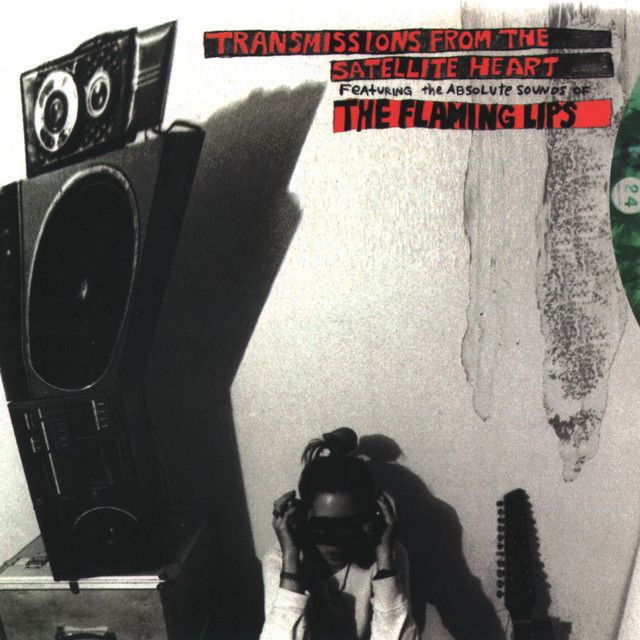
She Don't Use Jelly by The Flaming Lips
Why This Strange Hit Still Sticks
The meaning of She Don't Use Jelly The Flaming Lips starts with a simple fact: this is a funny song about people who do things the wrong way on purpose. But that surface joke is only part of why it lasts.
"She Don't Use Jelly" - The Flaming Lips
She'll make you breakfast
She'll make you toast
Loading lyrics...
Unable to load lyrics
We're unable to display the lyrics at this time. Please try again later.
Released in 1993 on Transmissions from the Satellite Heart, the single became the band’s best-known early crossover hit. It reached No. 55 on the US Hot 100 and No. 9 on Alternative Airplay, according to Billboard chart history. Those numbers matter because they show how a deeply odd song found a mainstream audience.
The reason is not just novelty. The Flaming Lips built a catchy pop structure around images that feel wrong, silly, and a little gross. That mix turns the song into a small study of outsider behavior.

Watch the official She Don't Use Jelly
music video
The Core Idea Beneath the Joke
Factually, the lyrics introduce three characters. Each one avoids the expected item and swaps in something bizarre instead. One person treats toast in a way that sounds disgusting, another handles a cold in a ridiculous way, and a third turns fruit into hair dye.
Interpretation: the song is about individuality pushed to absurd extremes. These are not heroes or victims. They are just memorable weirdos. The narrator does not really judge them. They simply observe.
That matters. Instead of preaching about nonconformity, the song makes difference sound catchy and almost cheerful. Its worldview is loose and curious: people are strange, and maybe that is fine.
How the Verses Build Their Meaning
Each verse follows the same design. It starts with normal detail, then lands on a surprise.
The first character seems domestic and gentle. She can make breakfast and toast, but then the expected toppings disappear. The lyric lists what she does not use before landing on Vaseline
. That final word is both funny and unpleasant, which is exactly why it works.
The second verse does the same thing with a man at home. Instead of ordinary choices, the punch line lands on magazines
. Again, the humor comes from replacing a normal tool with an object that makes no practical sense.
The third verse adds image and color. A girl keeps changing her look, and rather than store-bought dye, she uses tangerines
. This is the brightest image in the song, and also the most cartoon-like.
She don't use jelly
or any of these
She uses Vaseline
That short refrain shows the song’s engine: set up a normal category, reject it, then reveal the weird substitute.
The Hook Is About Surprise, Not Plot
The chorus is often remembered as a one-line joke, but its real function is structural. It teaches the listener how to hear the song. After one verse, they understand that every little list is moving toward a final left turn.
Interpretation: this makes the song less about story than about expectation. The fun comes from hearing ordinary life bent sideways. In that sense, the title is useful too. Jelly is a plain, harmless thing. Refusing it suggests a person who cannot leave normal life alone.
That is also why the song feels bigger than a novelty track. It captures a common social feeling: everybody knows someone who seems to enjoy being different in a very specific, hard-to-explain way.
What Wayne Coyne’s Comments Add
Context sharpens the meaning. Wayne Coyne has said the song came to him quickly and that he thought it was funny. He also explained, as summarized by Songfacts, that the opening image was meant to create a gross little disconnect, and that the song carried an “innocent little sexual thing.”
That comment matters, but it should not be overstated. There is no single hidden code that unlocks every line. Coyne also suggested the magazine verse may hint at drug culture, while the tangerine-hair image can be read as a swipe at alternative fashion. In other words, the song mixes random humor with social observation.
Sound First, Meaning Second
Part of the song’s success is musical. The melody is bright, direct, and easy to sing back. Against that sweetness, the band adds fuzzy guitars and a slightly ragged alternative-rock texture. Reports on the song often mention its chiming pedal steel touches, which make the chorus feel wider and more melodic.
That contrast helps the meaning. If the arrangement were darker, the lyrics might feel creepy. If it were too cute, the song would collapse into parody. Instead, the track sits in a smart middle zone: catchy, noisy, and lightly off-kilter.
The vocal delivery helps too. Coyne sings these lines with a straight face, which lets the absurdity land without overacting. They do not force the joke. They let the images do the work.
Why Audiences Connected With It
“She Don’t Use Jelly” became the Flaming Lips’ breakthrough partly because MTV and pop culture gave it room to spread. Its weirdness was easy to remember, and its chorus was impossible to confuse with anything else.
Interpretation: listeners responded because the song made eccentricity feel communal. It says weird people are everywhere: at breakfast, at home, in style choices. The song does not explain them. It just turns them into pop art.
Final Reading: A Pop Song for Beautiful Misfits
The meaning of She Don't Use Jelly The Flaming Lips is not one secret message. It is a playful collage of odd habits, outsider energy, and small shocks to everyday life.
Their song works because it balances nonsense with design. The details are silly, but the pattern is precise, the music is strong, and the attitude is warm rather than cruel. That is why the song still feels fresh.
Disclaimer: This interpretation mixes documented facts with informed reading of the lyrics and sound. Like many Flaming Lips songs, its meaning stays open to more than one view.









