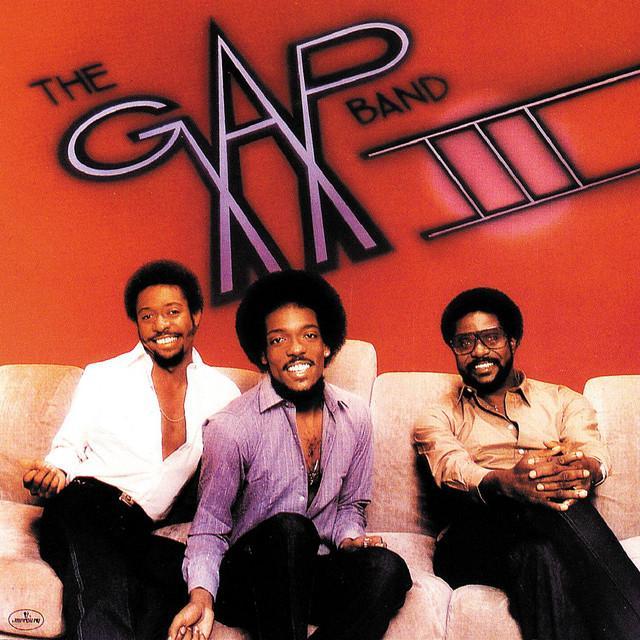
Burn Rubber On Me (Why You Wanna Hurt Me) by The Gap Band
The meaning of Burn Rubber On Me (Why You Wanna Hurt Me) The Gap Band starts with a simple but painful idea: someone leaves fast, without warning, and without much care for the person left behind. The song turns that breakup shock into a funny, vivid, and deeply human funk story.
"Burn Rubber On Me (Why You Wanna Hurt Me)" - The Gap Band
Why you wanna hurt me, gurl
Are you serious, I'm just curious
Loading lyrics...
Unable to load lyrics
We're unable to display the lyrics at this time. Please try again later.
Released in December 1980 on The Gap Band III, the track became a major R&B hit, reaching No. 1 on Billboard’s R&B chart, with songwriting credited to Charlie Wilson, Lonnie Simmons, and Rudy Taylor, and production by Simmons. According to Songfacts and Wikipedia, it was also one of the group’s biggest early breakthroughs.
A Breakup Song Disguised as a Party Jam
At its core, this is a song about betrayal. The narrator says he gave love, money, and time, then got abandoned. When the chorus asks why you wanna hurt me
, it is not just a complaint. It is a stunned reaction to being used by someone who never intended to stay.
What makes the song memorable is its slangy central image. To burn rubber
means to drive off so fast that tires screech and smoke. In the song, that image becomes emotional language. She does not simply leave. She exits dramatically, suddenly, and with total disregard for what she leaves behind.
Interpretation: the phrase suggests more than a breakup. It suggests humiliation. The narrator is not only heartbroken; he feels played.
Watch the official Burn Rubber On Me (Why You Wanna Hurt Me)
music video
The Story Unfolds Like a Short Film
The verses give the song a clear little plot, which is part of why listeners remember it so easily. Instead of speaking in general terms, The Gap Band builds a scene.
Here is the rough timeline:
- The narrator invests in the relationship.
- He believes things are fine.
- She sends him out on an errand.
- He comes back and finds she has vanished.
- Her clothes are gone, and the room is empty.
That detail about the errand is crucial. The line about getting a strawberry pop
makes the betrayal feel almost comic at first. But the joke quickly turns sad. By the time he returns, she has already escaped. Even the image of empty hangers shows how complete her departure is.
You took my money
you took my time
everything was fine
Those short phrases sum up the emotional math of the song. He gave, she took, and the relationship was not real on her side.
What the Hook Really Means
The repeated phrase not for real
is one of the key ideas in the lyric. It tells listeners that the problem is not just that the relationship ended. The deeper wound is that it may have been false from the start.
That is why the song does not sound like a calm farewell. It sounds confused, wounded, and slightly incredulous. The narrator keeps asking the same question because he cannot make the situation feel logical.
Interpretation: this repetition mirrors the mental loop many people feel after a sudden breakup. They replay the warning signs and keep asking what was genuine.
The Car Image Is the Whole Point
Many breakup songs use roads, trains, or departures as symbols. This one uses a car leaving the scene at full speed. That image is not decorative. It is the song’s emotional engine.
The opening sound effects make that clear. Research cited by Songfacts says the record begins with actual revving and rubber-burning sounds recorded near Total Experience studio in Los Angeles. Those effects were reportedly so striking that they stayed attached to the song’s identity. They place listeners inside the moment of escape before the first lyric even lands.
So the title image does two jobs at once:
- It shows a literal getaway.
- It symbolizes emotional abandonment.
That blend of humor and hurt is classic Gap Band writing. The title is playful, but the feeling underneath is serious.
How the Funk Groove Carries the Pain
One reason the song still works is that the music does not collapse into sadness. It moves. Hard. Wikipedia notes that engineer Jack Rouben described the track as growing from a groove Charlie Wilson came up with on a Minimoog, built around a repeating bass idea. That looping foundation matters.
The groove feels relentless, almost like the mind replaying the same event. The drums push forward, the bass stays locked in, and Charlie Wilson’s vocal rides between frustration and theatrical disbelief. Instead of whispering pain, the band stages it.
That contrast is the genius of the record. The song is danceable, but the story is rough. Listeners can move to it while also recognizing the sting inside it.
Real-Life Roots Make It Sharper
The song’s story hits because it came from real incidents. Songfacts reports that Lonnie Simmons said the lyric combined two true stories: one about his own college girlfriend leaving abruptly, and another about a roadie whose girl disappeared while he was sent to the store.
That background helps explain why the details feel so specific. The empty closet, the call to her mother, and the sudden disappearance do not sound abstract. They sound observed.
Why the Song Lasted
Part of the legacy of this track is its mix of vivid storytelling and strong funk arrangement. It helped establish The Gap Band’s hit-making voice before later staples like “You Dropped a Bomb on Me” and “Outstanding.” It also reached beyond its era: Dave Grohl has said its drum feel helped inspire the opening of “Smells Like Teen Spirit,” a reminder that great grooves travel far.
In the end, the meaning of Burn Rubber On Me (Why You Wanna Hurt Me) The Gap Band is about being blindsided by someone who takes affection, trust, and resources, then disappears without explanation. The song turns that hurt into a loud, funny, unforgettable scene.
Interpretation disclaimer: song meanings are never fully fixed. This reading is based on the lyrics, recording context, and documented background, but individual listeners may hear different shades of humor, anger, or heartbreak in the track.







