Why The Gap Band's Hit Still Explodes
The meaning of You Dropped A Bomb On Me The Gap Band comes down to a sharp contrast: the track feels built for the dance floor, but the story inside it is about emotional damage. The singer is not celebrating chaos. They are describing what it feels like when love arrives with force, lifts them up, and then leaves them stunned.
"You Dropped A Bomb On Me" - The Gap Band
You were the girl for me
You lit the fuse, I stand accused
Loading lyrics...
Unable to load lyrics
We're unable to display the lyrics at this time. Please try again later.
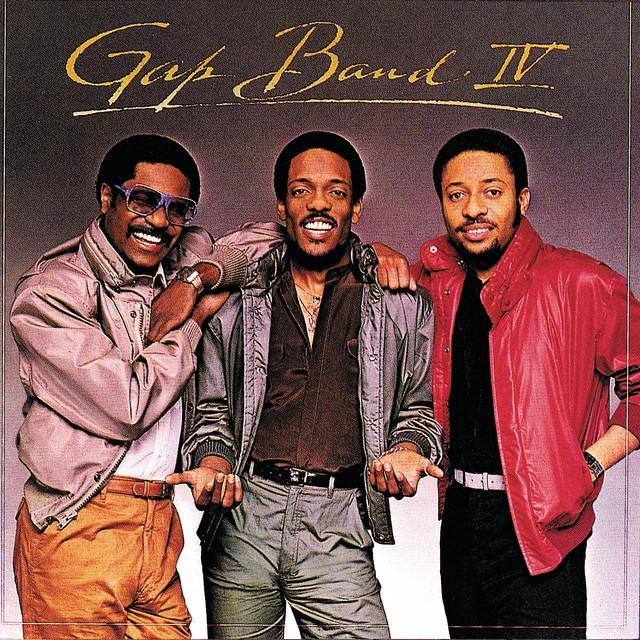
Released in August 1982 on Gap Band IV, the song became one of The Gap Band’s signature hits. It reached No. 31 on the Billboard Hot 100 and No. 2 on the Hot Black Singles chart, showing how strongly its mix of funk, pop, and heartbreak connected with listeners. It was written by Charlie Wilson, Lonnie Simmons, and Rudy Taylor, and produced by Simmons. These facts are widely documented in reference sources about the song and its release history.
A Dance Song With a Bruise Under It
At its core, this is a breakup song told through explosive language. The narrator remembers a woman who changed everything for them, then left them hurt and disoriented. When they repeat you dropped a bomb on me
, the phrase works as a metaphor for emotional impact. It suggests surprise, force, and damage all at once.
That image matters because the verses do not describe a slow fading romance. They describe a relationship that felt intense from the start. Short lines like changed my world
and lit the fuse
frame love as something volatile. The romance begins with excitement, but the same energy later becomes destructive.
Interpretation: The song is about the whiplash of passion. They are not just hurt because love ended. They are hurt because it felt life-changing before it collapsed.

Watch the official You Dropped A Bomb On Me
music video
The Story Moves From High to Crash
The emotional timeline is easy to follow:
- They meet someone who feels transformative.
- The relationship becomes thrilling and consuming.
- That thrill turns unstable.
- The aftermath feels unforgettable.
The verses trace that arc with simple but vivid contrasts. One moment the lover is associated with pleasure and escape. The next, the narrator feels blamed, abandoned, or knocked down. A phrase like turned me on
is quickly balanced by dropped me to the ground
. That switch is the whole song in miniature.
Even the Adam and Eve reference pushes this reading. It suggests temptation, innocence lost, and a promise of freedom that leads somewhere more complicated. Rather than sounding biblical in a heavy way, it gives the romance a mythic scale. To them, this was not a small fling. It felt like the first great fall.
Why the Chorus Hits So Hard
The chorus works because it is blunt. There is no careful poetry there, just impact. By repeating the title line over and over, the song mirrors how shock works in real life. People replay the moment they were hurt. They cannot stop hearing it.
You turned me out
you turned me on
and then you dropped me
to the ground
This short passage sums up the emotional logic of the whole track. First comes desire, then attachment, then the crash. The repeated structure makes the pain feel mechanical, almost like a cycle they cannot escape.
Sound Effects That Turn Metaphor Into Music
A big reason the song lasts is that the production does not just support the lyric. It dramatizes it. The arrangement is famous for a synthesizer effect that imitates a falling bomb, along with timpani rolls that add suspense and impact. Those details are often noted in song reference histories and help explain why the title image feels so memorable.
The groove, though, is just as important. The bass and drums keep things tight and danceable, while Charlie Wilson’s vocal rides the line between excitement and complaint. They sound energized even while describing pain. That tension is classic Gap Band magic: body-moving funk carrying emotional confusion.
Interpretation: The music suggests that heartbreak does not always look sad from the outside. Sometimes it arrives wrapped in adrenaline.
The Gap Band Context Matters
The Gap Band were Tulsa brothers Charlie, Ronnie, and Robert Wilson, and they built a style that blended funk drive with pop hooks and strong vocal personality. By the early 1980s, they were already major figures in R&B. This song fits that era perfectly: electronic textures, huge rhythm, and a hook simple enough to chant but layered enough to mean more than it first seems.
The song has had a long afterlife in movies, sports arenas, TV, and games, which helps explain why many people know the chorus before they know the verses. It was also ranked by Rolling Stone in its 2022 list of the greatest dance songs, another sign of its staying power.
Alternate Readings, and One Rumor to Separate
Some listeners hear drug-like imagery in lines about thrills and dependence. That is understandable, since the language of craving is strong. Interpretation: those images may not point to substances literally; they may simply show how addictive the relationship felt.
Another long-running rumor claimed the song referred to the 1921 Tulsa race massacre because The Gap Band came from Tulsa, where bombs were dropped on a Black neighborhood. But Charlie Wilson later said that theory was false, even though he appreciated that it brought attention to the history. That makes it important to separate listener interpretation from confirmed artist intent.
The Lasting Meaning
So, what is the meaning of You Dropped A Bomb On Me The Gap Band? It is the sound of romantic shock turned into funk theater. The song captures the moment when love feels thrilling, consuming, and suddenly ruinous.
That is why it still works. They made a song people can dance to, but underneath the groove is a very human feeling: being unable to forget the person who changed everything and then left damage behind.
Disclaimer: This interpretation mixes documented facts about the song with reasonable reading of its lyrics and sound. Meaning in music can remain open to listeners.








