
Why 'Last Place You Look' Feels Like Home
The meaning of Last Place You Look The Get Up Kids centers on a simple but strong idea: love can become the one fixed point in a life that never stops changing. The lyrics talk about travel, seasons, danger, and memory, but they keep circling back to one emotional truth. This speaker feels restless in the world, yet grounded by one person.
"Last Place You Look" - The Get Up Kids
If I find my way back on the last leg of this trip
I'm betting I'm finding you there
Loading lyrics...
Unable to load lyrics
We're unable to display the lyrics at this time. Please try again later.
A Love Song About Motion, Not Stillness
At first glance, the song sounds like it is about distance. The opening uses the old idea that the grass looks better somewhere else, then moves into a journey that feels unfinished. When the speaker imagines getting back at the end of the trip, they are already picturing reunion.
That matters because the song does not describe love as calm from the start. Instead, it treats love as the thing that survives movement. Phrases like last leg of this trip
and finding you there
suggest that the destination is emotional as much as physical.
Interpretation: They are not just trying to get home. They are trying to get back to the person who makes home feel real.
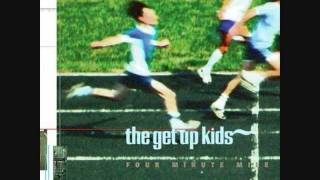
Watch the official Last Place You Look
music video
Change Is Scary, but Staying Connected Matters More
One of the most revealing parts of the lyric is its attitude toward instability. The song says life is always shifting, and that only works if the motion still feels meaningful. The line about things being constantly changing
is paired with a need for things to stay emotionally true.
Then the song brings in risk. It mentions an impending danger
, and that phrase opens up the emotional stakes. If there is no urgency, there is no reason to stay stuck. If there is risk, though, the relationship becomes more precious.
This is where the song becomes more than a simple reunion track. It is about deciding what is worth holding onto when everything else feels temporary.
The Winter Image Carries the Emotional Weight
Seasonal imagery gives the song much of its meaning. Winter usually suggests distance, waiting, or emotional coldness. Here, winter feels like a test: can love still hold when the year turns difficult?
The speaker seems to say no season is unbearable if the other person remains present in memory and promise. The mention of home in December
makes the song feel hopeful, but not easy. December is warm in idea, not weather. It represents return after strain.
We'll be home in December
you are always with me
Those lines, taken together, turn the song inward. Even before reunion happens, the relationship is already living in memory. Love becomes a mental shelter before it becomes a physical one.
Who They Are Singing To
The narrator speaks directly to someone important, likely a romantic partner. The clearest clue is the line about being held, which frames intimacy as protection, not just affection. They do not present the other person as a fantasy. They present them as a reason to endure uncertainty.
There is also humility in the lyric. The speaker admits some things are not theirs to control. When they say It's not my place
, they sound aware that love cannot be forced or fully managed.
That makes the later promise stronger. Saying someone is not something I'm willing to lose
is not possessive in context. It sounds like a vow of effort.
What the Title Really Suggests
The title works like a quiet punchline. People usually find something in the last place they look because they stop looking once they find it. But in this song, the phrase feels deeper than a clever saying.
Interpretation: The “last place” is not a literal location. It is the final emotional answer after distraction, travel, comparison, and doubt. The speaker may have looked outward first, only to realize the thing they needed was the relationship all along.
That fits the song’s opening idea about greener grass. The lyric begins with comparison and ends with recognition.
How The Get Up Kids’ Style Supports the Meaning
The Get Up Kids are widely associated with the late-1990s and early-2000s emo and alternative rock scene, a reputation reflected in coverage from sources like AllMusic and Vulture. Their songs often pair melodic hooks with nervous energy, and that style fits this lyric well.
For a song like this, the rock setting matters. Driving guitars and a steady rhythm can mirror travel and emotional momentum, while a warm vocal delivery can soften the edges. That contrast helps the song feel both anxious and comforting.
The writing credits provided here—James Suptic, Matthew Pryor, Robert Pope, and Ryan Pope—also reflect the band’s collaborative core. That shared writing style often gives their songs a communal feeling, even when the lyrics are personal.
A Plausible Alternate Reading
There is another way to hear the song. Instead of a straightforward love song, it can sound like a meditation on faith in connection itself. The singer may be less certain about reunion than they sound. In that reading, the reassurances are things they need to tell themselves.
Evidence for that comes from the tension between doubt and promise. The song keeps moving between risk, waiting, and confidence. That emotional swing makes it believable as both devotion and self-comfort.
Why the Song Still Lands
The meaning of Last Place You Look The Get Up Kids lasts because it avoids big speeches. It uses movement, weather, and simple promises to show how love can steady a person without stopping life’s motion.
Its best insight is that commitment does not erase uncertainty. It gives uncertainty a place to land. That is why the song feels tender rather than naive.
Disclaimer: This interpretation is based on the lyrics provided and general artist context. As with most songs, listeners may reasonably hear different meanings in the same lines.








