
Why 'Washington Square Park' Feels So Restless
When people search for the meaning of Washington Square Park The Get Up Kids, they usually find a song that sounds simple at first and harsher the longer they sit with it. This is not a nostalgic park song or a warm city portrait. It feels more like a short burst of frustration aimed at denial, emotional numbness, and the weak comfort of merely getting by.
"Washington Square Park" - The Get Up Kids
it's better than you can get
what more could you want, what more could you ask for?
Loading lyrics...
Unable to load lyrics
We're unable to display the lyrics at this time. Please try again later.
Because there is no widely cited band quote explaining this specific track, the clearest reading has to come from the lyrics, the album context, and the sound around them. That makes this a case where interpretation matters, but it should still stay grounded in what the song actually says.
A Small Song With a Sharp Edge
"Washington Square Park" appears on Four Minute Mile, The Get Up Kids' 1997 debut album. It is track 6 and runs 3:08. The album was released on September 30, 1997, recorded in April 1997 at Chicago Recording Company, and produced by Bob Weston. It was also made fast and cheaply, reportedly in about two and a half days on a $4,000 budget. Those facts help explain why the record sounds so immediate and unpolished in a good way.
That rough energy became part of the album's legacy. Critics and later musicians have treated Four Minute Mile as an important early emo and indie-punk release, one that helped shape the emo-pop wave that followed.
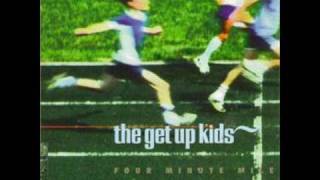
Watch the official Washington Square Park
music video
What the Lyrics Are Really Pushing Against
At the center of the song is a voice rejecting false comfort. Early on, the speaker says it’s better than nothing
, but the phrase does not sound grateful. It sounds bitter, like someone repeating the kind of excuse people use when they know a situation is still bad.
That idea grows when the song asks what more could you want
. In plain terms, the speaker seems to be mocking low expectations. They are not praising simple survival. They are exposing how people are taught to accept less than they need.
Interpretation: the song is about the emotional damage caused by settling. It shows how a person can be trapped in a life that is technically bearable but still deeply unsatisfying.
Denial, Performance, and the Fake Smile
One of the song's clearest moments comes when it attacks denial directly. The line with living in denial
connects to the image of a forced grin, suggesting a person who pretends everything is fine because admitting pain would be harder.
That emotional performance is important. The song is not just angry about sadness. It is angry about the pressure to hide sadness under a social mask. In that sense, the song fits early emo's interest in exposing feelings that everyday life teaches people to bury.
living day by day
is more than i can say
about my life
This is the article's clearest snapshot of the speaker's state. Even basic forward motion feels difficult. The complaint is not dramatic for show. It sounds worn down, as if the speaker cannot even claim the minimum stability that others take for granted.
The "Machine" as a Cycle of Harm
The most striking image may be the song's mention of a sick machine
. The speaker says going through it again does not make anyone stronger. That is a sharp challenge to a common idea: that pain automatically builds character.
Interpretation: the machine could represent several things at once:
- an unhealthy relationship pattern
- a social system that grinds people down
- a personal cycle of self-deception
- the broader routine of surviving without healing
What matters is the result. The song does not present suffering as noble. It suggests repetition without growth. That is why the wording feels so cold and mechanical. A machine processes people; it does not care for them.
Why the Sound Matters So Much
The music strengthens this reading. Four Minute Mile was made at a speed and budget that left little room for polish, and Bob Weston's production keeps the band urgent rather than glossy. The guitars push forward hard, the rhythm section stays tight, and the vocals sound pressed by feeling more than smoothed by technique.
That style suits "Washington Square Park" perfectly. If the lyrics criticize fake reassurance, the recording refuses fake neatness. The song moves like an argument happening in real time.
This is part of why The Get Up Kids mattered. As one later assessment put it, the band combined hooky indie-punk drive with Midwest emo complexity and helped create a blueprint for early 2000s emo-pop. "Washington Square Park" shows that blueprint in miniature: fast, memorable, and emotionally jagged.
A Title That Opens More Questions
The title itself is interesting because the lyrics do not spend time describing a park. That gap matters. It may point to a real place, a memory trigger, or simply a name used to frame a moment of emotional collapse.
Interpretation: instead of treating the title as a travel detail, it makes more sense to hear it as a location tied to feeling. Many songs use place names this way. The setting gives the emotion a physical anchor, even if the real subject is inner conflict.
The Best Way to Read the Song
So what is the meaning of Washington Square Park The Get Up Kids? The strongest reading is that it is a song about seeing through hollow coping mechanisms. It challenges the idea that "better than nothing" is good enough, attacks denial, and questions any cycle that hurts people while pretending to help them.
That is why the track still hits. In just over three minutes, it captures the anger of realizing that endurance is not the same thing as living.
Disclaimer: This interpretation is based on the lyrics, album context, and documented production history, not on a confirmed song-specific statement from the band.








