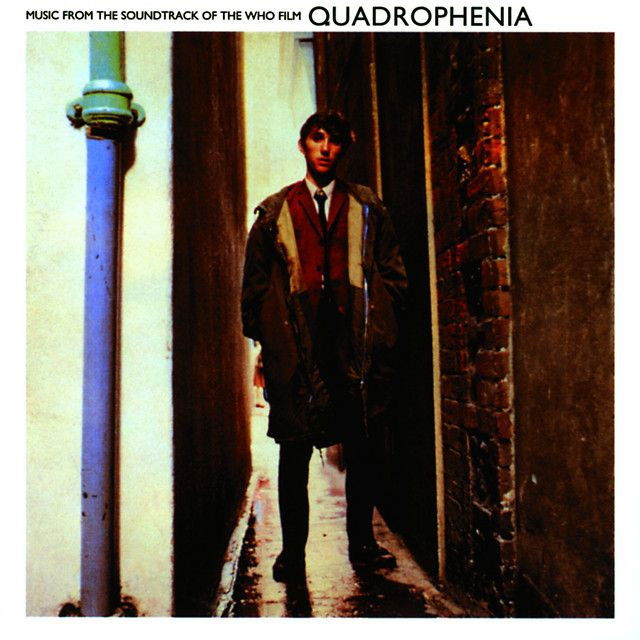
Why "Zoot Suit" Is Really About Being Seen
The meaning of Zoot Suit The High Numbers starts with surface style, but it does not end there. This 1964 single is less about clothing by itself and more about how youth culture turns clothes into power, status, and belonging.
"Zoot Suit" - The High Numbers
I'm the snappiest dresser right down to my inch wide tie,
And to get you wise I'll explain it to you,
Loading lyrics...
Unable to load lyrics
We're unable to display the lyrics at this time. Please try again later.
Released as the debut single by The High Numbers, the group that soon returned to the name The Who, the track was built to attract the mod scene in Britain. According to reference histories of the single, it came out on July 3, 1964, and was credited to manager Peter Meaden, who also helped shape the band’s early mod image. In that sense, the song is both a character sketch and a sales pitch.
A Song About Fashion as Social Currency
On the surface, the narrator boasts about being the most stylish figure around. Short details like hippiest number in town
and snappiest dresser
make that clear right away. They are not confessing deep feelings. They are presenting a persona.
That matters because the song treats fashion as a kind of language. The speaker explains what a stylish person is “supposed to do,” as if coolness has rules. In other words, this is a manual for being accepted in a scene.
Interpretation: The song suggests that youth identity can be performed. If someone wears the right jacket, shoes, and tie, they can become somebody important in the eyes of others.
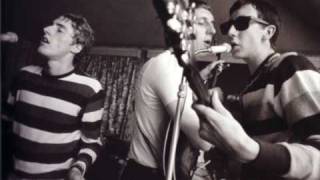
Watch the official Zoot Suit
music video
The Real Subject Is the Mod Gaze
The key idea in the lyric is not simply “look at my clothes.” It is “judge me by how well I wear them.” The speaker wants the crowd to dig me
, which places social approval at the center of the song.
That is why one of the most revealing ideas comes near the end, when the lyric points to the other cat's eye
. The point is not private self-expression. It is public recognition. Style only works if other people see it and agree it is cool.
This makes the song feel both confident and insecure. The narrator brags constantly, but the bragging depends on an audience. They need the scene to confirm the identity they are performing.
Clothes Are Symbols, Not Just Clothes
The song lists fashion items to build authority. The famous image of the zoot suit jacket
and the narrow tie creates a sharp silhouette associated with subcultural cool. Even listeners who do not know every reference can hear that these items are badges.
In plain terms, the outfit stands for three things:
- status within a youth tribe
- rebellion against ordinary respectability
- the desire to look modern and untouchable
This is why the song feels larger than a wardrobe checklist. It turns tailoring into myth. The speaker believes looking right is part of being right.
Why the Sound Fits the Message
Musically, “Zoot Suit” is quick, punchy, and direct. Its compact running time, under two minutes in most releases, matches the song’s focus on instant impression. There is no time for subtle storytelling. It hits fast, like someone entering a room and demanding attention.
The performance also supports the lyric’s swagger. The beat pushes forward, the vocal delivery is cocky, and the arrangement leans on the energy of early British R&B. Even before The Who became famous for explosive dynamics and sharper self-written material, they already understood how attitude could drive a track.
Interpretation: The rough, eager sound helps sell the idea that coolness is urgent. The song does not stroll; it struts.
Context Changes the Meaning
The historical context is crucial. The single was released under the name The High Numbers specifically to target mod listeners, and both sides of the record used mod-coded language and imagery. That means the song was not only describing a scene. It was trying to enter that scene and profit from it.
That commercial angle gives “Zoot Suit” an extra layer. It can sound authentic because it captures real details from youth culture, but it can also sound calculated because it was designed as branding.
Another fact often mentioned in accounts of the single is that “Zoot Suit” closely copied the Dynamics’ “Misery.” That does not erase its cultural value, but it does affect how people hear it. Instead of treating it as a pure artistic statement, many hear it as a snapshot of a band and manager trying to manufacture an identity quickly.
More Than Boasting, Less Than Satire
There are at least two fair ways to read the song.
Reading One: A Straight Mod Anthem
In this version, the song celebrates the thrill of dressing sharply and being admired. The boasting is sincere. To this listener, the track is an exciting little document of 1964 mod confidence.
Reading Two: A Portrait of Image Pressure
In this version, the song accidentally reveals how exhausting scene culture can be. The speaker sounds self-assured, but every line depends on outside approval. Coolness becomes a performance that must be repeated over and over.
Both readings work because the lyric keeps returning to display, appearance, and reaction.
Why It Still Matters
The meaning of Zoot Suit The High Numbers lasts because it captures an old truth about youth culture: style can be a shortcut to identity, but it can also become a trap. The song understands how thrilling it feels to build a self through clothes, posture, and attitude.
It also hints that being cool is never fully private. Someone always has to be watching.
In The Who’s larger story, “Zoot Suit” remains important as an early artifact of the band’s pre-fame image-making. It may not be their deepest song, but it is a vivid one. In less than two minutes, it shows how fashion, music, and social status can fuse into one loud declaration.
Disclaimer: This interpretation blends documented context with critical reading, so some meanings remain open to listener debate.







