Why “Highwayman” Feels Bigger Than Death
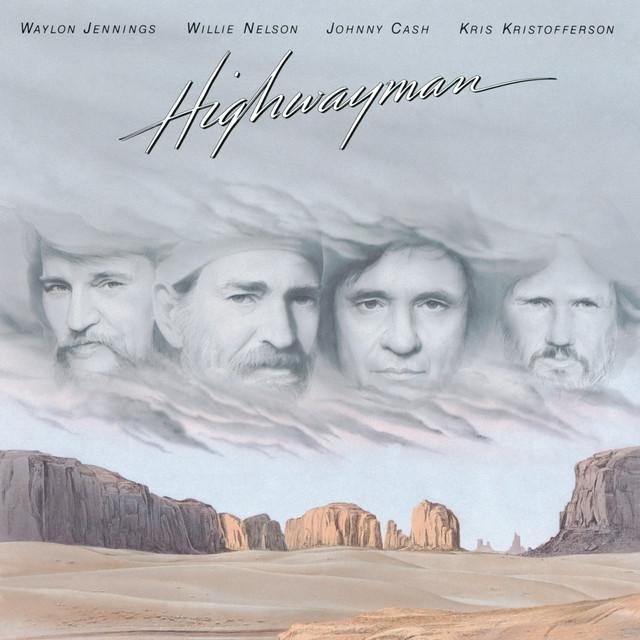
The meaning of Highwayman The Highwaymen, Willie Nelson, Johnny Cash, Waylon Jennings, Kris Kristofferson starts with a simple idea and then keeps widening: a person dies, yet something essential carries on. Written by Jimmy Webb and recorded by the country supergroup The Highwaymen, the song became their defining statement because it sounds both old and timeless.
"Highwayman" - The Highwaymen, Willie Nelson, Johnny Cash, Waylon Jennings, Kris Kristofferson
Along the coach roads I did ride
With sword and pistol by my side
Loading lyrics...
Unable to load lyrics
We're unable to display the lyrics at this time. Please try again later.
Factually, Jimmy Webb wrote “Highwayman,” and The Highwaymen released their version in 1985 on the album Highwayman. The group brought together Willie Nelson, Johnny Cash, Waylon Jennings, and Kris Kristofferson, four major country stars whose collaboration was marketed as an event in itself. Those basic credits are well documented by major label and reference sources, and they matter because the song’s theme of survival fits the public image of all four men.
Four Lives, One Spirit
At the story level, the song moves through four identities. First comes the outlaw rider, then a sailor, then a dam builder, and finally a space traveler. Each one faces danger, and each one dies or seems to die. Yet the singer insists on continuity through short, memorable lines like I was a highwayman
and later But I am still alive
.
That repeated return is the emotional center of the song. It tells listeners that death is not the final word. The body changes, the job changes, and even the era changes, but the inner self remains.
Interpretation: Many listeners hear this as reincarnation. That reading fits the song because each verse presents a new earthly form after a death. Still, the lyric is open enough to mean more than literal rebirth.
Watch the official Highwayman
music video
How the Verses Build the Theme
The first verse frames survival in folk-ballad terms. The narrator is a robber on horseback, living by force and finally being executed. Even after the hanging, though, the voice does not disappear. That jump from historical realism to spiritual endurance gives the whole song its power.
The sailor verse expands the same idea. Instead of roads, there is the sea; instead of crime, there is dangerous labor. A phrase like borne upon the tide
suggests a life shaped by forces larger than the self. When that life ends, the spirit still continues.
The dam-builder verse is especially important because it shifts the song from mythic adventure to modern work. The image of Boulder and the Colorado places the singer inside American industrial history.
But I am still around
I'll always be around
That brief refrain turns the song from a series of stories into a statement about permanence. It is no longer only one man speaking; it starts to sound like humanity itself.
From the Old West to the Stars
The final verse makes the song unforgettable. After the outlaw, sailor, and laborer, the narrator says I fly a starship
. Suddenly the song leaps into science fiction. That could feel silly in another track, but here it works because the pattern is already clear: history changes, but consciousness keeps moving.
Interpretation: This last verse suggests that human longing does not end with one century. The same restless spirit that rode roads and crossed oceans now crosses space. In that reading, the song is not just about one immortal soul. It is about the human urge to explore, build, risk, and begin again.
The closing image of becoming rain is just as important as the starship. It introduces a softer possibility. Survival may mean rebirth as a person, but it may also mean rejoining nature. Either way, the lyric argues for continuation rather than erasure.
Why The Highwaymen Were Perfect for It
This song would not mean the same thing if one anonymous singer recorded every verse. The Highwaymen’s version works because each voice carries its own history. Willie Nelson brings weathered calm, Johnny Cash brings gravity, Waylon Jennings adds toughness, and Kris Kristofferson gives the ending a thoughtful lift.
That casting turns the song into more than a narrative. It becomes a conversation among American archetypes. Listeners hear four legends singing about endurance, and that naturally invites another layer of meaning: artists live on through songs, personas, and memory.
How the Sound Carries the Message
Production matters here. The arrangement is restrained, with steady rhythm, acoustic-centered country textures, and enough space around the vocals to let each character land. There is no need for huge drama because the concept already supplies it.
The calm tempo helps too. The song does not rush toward death scenes or the cosmic ending. Instead, it moves with confidence, as if survival is not a question but a fact. That quiet certainty is one reason the record feels haunting instead of sentimental.
A Lasting Reading of “Highwayman”
So what is the meaning of Highwayman The Highwaymen, Willie Nelson, Johnny Cash, Waylon Jennings, Kris Kristofferson? At its core, it is a song about continuity. Lives end, roles change, centuries pass, yet something in the self endures.
Interpretation: That “something” can be heard in several ways:
- a soul that is reborn
- human identity stretching across history
- the persistence of memory and art
- the American myth of the wanderer who never truly disappears
That flexibility is why the song still resonates. It is concrete enough to tell a gripping story, but open enough to let listeners place their own beliefs inside it.
Disclaimer: This interpretation mixes documented context with critical reading. Like many great songs, “Highwayman” supports more than one meaning.








