Why 'Flag Day' by The Housemartins Still Stings
A bright pop song with a hard message
The meaning of Flag Day The Housemartins comes down to one sharp idea: charity can become a performance when it does not question power. The song sounds light, quick, and catchy, but its words are much tougher than the melody first suggests.
"Flag Day" - The Housemartins
Not enough Robin Hoods
Too many halos not enough heroes
Loading lyrics...
Unable to load lyrics
We're unable to display the lyrics at this time. Please try again later.
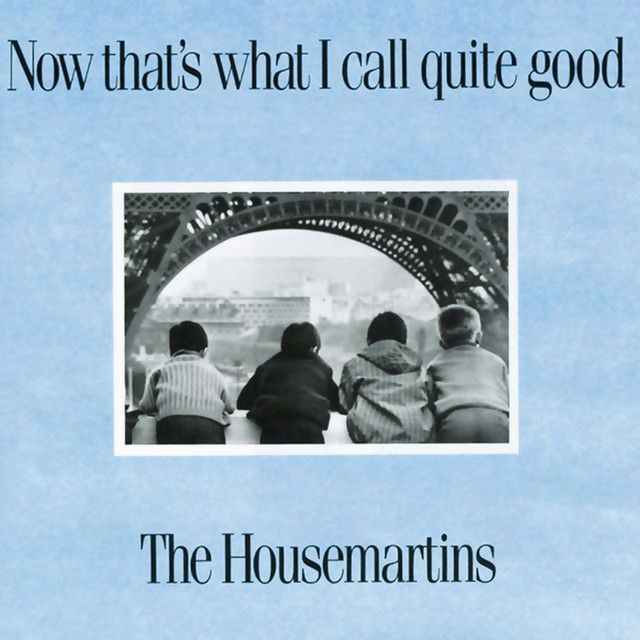
Released as an early single by The Housemartins, the track introduced a band that mixed jangly pop with social criticism. The group came from Hull, and frontman Paul Heaton became known for writing witty, class-aware songs. In that context, "Flag Day" fits perfectly: it takes a familiar British image of fundraising and asks whether that public kindness actually changes anything.

Watch the official Flag Day
music video
What the song is really arguing
The verses build a contrast between caring gestures and real justice. Early on, the song sets up this split with Too many Florence Nightingales
and Not enough Robin Hoods
. Before and after those lines, the point is clear: society praises compassion, but it is less interested in redistribution.
That is the key to the song. It is not mocking poor people or even ordinary people who donate. It is skeptical of a culture that treats small acts of charity as a substitute for fixing inequality. When the narrator describes trying to help for the poor
, the phrase sounds sincere, but also worn down by repetition. Good intentions are present, yet the song doubts whether they are enough.
Interpretation: The band seem to be saying that charity can soothe guilt without changing the system that creates need. That reading is strongly supported by the song’s images of wealthy figures, public appeals, and empty moral language.
The target: symbols, not just individuals
One of the song’s boldest moments is its jab at the establishment. The line about shaking a box in front of the Queen is not really about one person alone. It uses royalty as a symbol of wealth, distance, and inherited privilege.
The same applies to lines about halos, heroes, pockets, and hearts. When the song says too many halos
, it questions public virtue. People want to look good, sound good, and seem compassionate. But the song asks whether that moral image hides self-interest.
This is why the phrase hands in too many pockets
matters. It points toward greed, corruption, and a social order where money flows upward. The opposite image, hands on hearts, suggests genuine feeling. The song argues that one often replaces the other.
How the verses and chorus work together
Each verse presents a case study. Someone wants to help, so they organize a sale or seek a TV appeal. Those actions are ordinary, even admirable. Then the chorus arrives and undercuts them, insisting it is a waste of time
if the deeper issue remains untouched.
That structure matters. The song does not deny that people care. It shows care running into a wall. The wall is class power.
Flag Day, Flag Day, Flag Day
That brief hook feels almost festive, which is exactly why it bites. “Flag day” traditionally suggests public collection drives and civic spirit. Here, the repeated title starts to sound hollow, like ritual without change.
Why the sound makes the critique stronger
Musically, “Flag Day” is brisk and melodic, built in the band’s familiar guitar-pop style. The arrangement is clean and upbeat, with a singalong quality that makes the message easy to carry. That contrast is crucial.
If the song were gloomy, its criticism might feel heavy-handed. Instead, the bright tempo makes the argument sneak up on the listener. The band package anger inside charm. That was one of The Housemartins’ strengths as a group, heard across their early releases and debut era.
Paul Heaton’s vocal delivery also helps. He sounds conversational rather than preachy. They do not shout the message; they let the wit do the work. That keeps the song friendly on the surface, even while it is deeply unimpressed by public moral theater.
Artist context and why it matters
The Housemartins formed in the 1980s, a period when British pop often crossed with political frustration. Their songs regularly touched class, religion, and hypocrisy. "Flag Day" belongs to that tradition.
Factual details about the song and band history are widely documented in standard discographies and reference sources, including band and release listings such as AllMusic and Discogs. The writing credits are commonly given to Paul Heaton, Stan Cullimore, and Ted Key, matching the band’s early lineup and style.
That context helps explain the song’s tone. They were not writing a neutral charity anthem. They were writing from a skeptical, working-class pop perspective that saw image management and elite comfort as part of the problem.
A second reading: frustration with symbolic activism
There is another valid angle on the meaning of Flag Day The Housemartins. Beyond charity, the song can also be heard as a warning about symbolic activism in general. It asks what happens when people confuse visible concern with useful action.
Interpretation: In that reading, “Flag Day” reaches beyond fundraising. It becomes a wider criticism of any public campaign that creates moral excitement but avoids risk, sacrifice, or structural change.
That is one reason the song still feels current. Modern listeners can hear echoes of media campaigns, branded compassion, and short-term outrage that fades before anything material improves.
Final takeaway
“Flag Day” is a deceptively cheerful song about the limits of charity in an unequal world. Its big message is that kindness matters, but justice matters more.
That is why the track lasts. It turns a catchy indie-pop tune into a challenge: who benefits when compassion stays symbolic?
Disclaimer: This interpretation is based on the song’s lyrics, musical style, and publicly known context. As with any song, listeners may reasonably hear additional meanings.






