Human by The Human League
Why This 1986 Hit Still Feels Uncomfortably Real
The meaning of Human The Human League starts with a painful but simple idea: two people who love each other have both failed each other. What makes the song memorable is not just the confession. It is the twist that turns one apology into a shared admission.
"Human" - The Human League
Wipe your tears
Never like to see you cry
Loading lyrics...
Unable to load lyrics
We're unable to display the lyrics at this time. Please try again later.
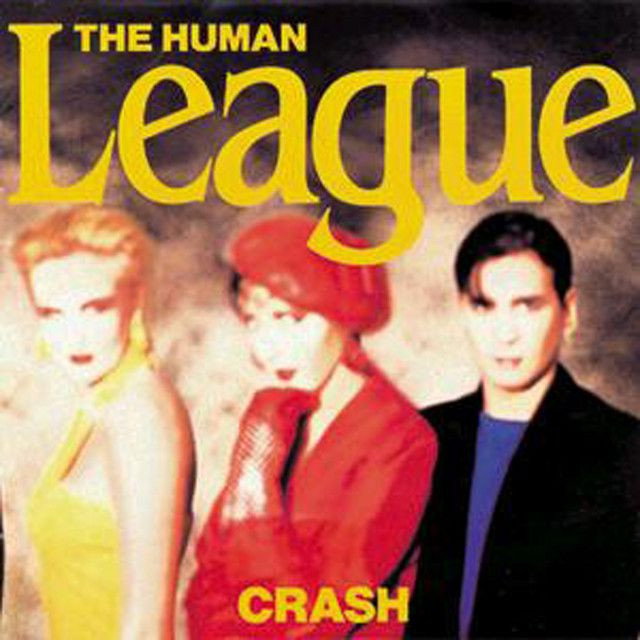
Released in 1986 as the lead single from Crash, the song became a major hit, reaching No. 1 on the U.S. Billboard Hot 100 and No. 8 in the UK, while also crossing into dance and R&B charts. Factually, it was written by Jimmy Jam and Terry Lewis and recorded at Flyte Time in Minneapolis, a key part of the duo’s breakout era in the mid-1980s.
More importantly, the song takes a messy subject, infidelity, and treats it with a soft, wounded tone instead of anger. That choice is central to why listeners still debate whether it is honest, weak, romantic, or all three.

Watch the official Human
music video
The Core Story Hiding in Plain Sound
At first, the narrative sounds like one person begging for forgiveness. The opening voice comforts the other partner and asks them not to cry. Then the confession arrives: they sought comfort while separated, trying to fill loneliness and emotional emptiness.
A few short lines show that emotional defense clearly, including dry your eyes
, fill the void
, and space of emptiness
. Those phrases do not glorify cheating. Instead, they frame it as a bad decision made in isolation.
Then the chorus gives the song its moral center: only human
and born to make mistakes
. In plain terms, the speaker is saying they are flawed, not heartless.
Interpretation: This is where the song becomes morally slippery. It may be a sincere apology. But it can also sound like an excuse dressed up as wisdom. The song seems aware of that tension, which is why it stays interesting.
The Twist That Changes Everything
The biggest reveal comes late. After the first speaker admits guilt, the song answers with a second confession from the other partner. That moment is the emotional hinge of the whole track.
The key phrase is human too
. Suddenly, the song is no longer about one guilty person and one innocent victim. It becomes a story about mutual weakness, mutual shame, and maybe mutual forgiveness.
This structure has been widely noted in summaries of the song’s theme, including coverage that describes it as an exchange between a man and a woman reunited after separation. Joanne Catherall’s spoken section is crucial because it stops the song from becoming a one-sided plea.
Interpretation: The late reversal does two things at once:
- It softens the first speaker’s guilt.
- It makes forgiveness feel possible because both partners now stand on equal emotional ground.
That does not make either action right. It just changes the power balance.
How the Chorus Works as Defense and Confession
The chorus is catchy because it sounds universal. Almost anyone can relate to being imperfect. But inside this song, that universal message is attached to a very specific betrayal.
That is why the hook feels emotionally effective and ethically uneasy. On one hand, it recognizes human weakness. On the other, it risks reducing cheating to a common error.
I'm only human of flesh and blood I'm made
Human, born to make mistakes
This is the song’s only big statement, and it lands because it is plainspoken. There is no clever poetry here. The language is direct, almost conversational, which matches the feeling of a difficult late-night apology.
What the Production Adds to the Meaning
One reason the song works is that it does not sound harsh. Jam and Lewis gave The Human League a sleek pop-soul setting rather than the colder electronic edge many listeners associated with the group’s earlier work. Contemporary reviews noted that shift, with Billboard describing the result as a lush and soulful dance ballad.
The tempo sits at a moderate pace, around 102 BPM, and the arrangement is smooth rather than dramatic. Soft drum programming, warm keyboards, and restrained vocals all support the theme of confession. The music does not explode with rage. It hovers in regret.
Philip Oakey later said it was probably his best vocal, though it took a month to record. That fact matters because the performance sounds carefully shaped, not tossed off. His voice is vulnerable here, which helps sell the apology even when the lyrics seem self-protective.
Why It Mattered for The Human League
"Human" was an important turning point. It was the first major Human League hit not written by Oakey, and it showed how well the band could fit into an American R&B-pop framework. That crossover mattered in the U.S., where the song hit No. 1 not only on the Hot 100 but also on the Dance Club chart.
It also changed how some critics heard the band. Some praised the emotional warmth. Others felt the group lost part of its earlier identity. That split reaction actually fits the song itself: it is polished, vulnerable, and a little uncomfortable.
A Fair Reading of Its Lasting Meaning
So what is the meaning of Human The Human League? At its heart, it is a song about how loneliness, guilt, and desire can damage love without fully destroying it. It argues that people fail each other, yet still hope to be forgiven.
Interpretation: The song does not fully decide whether being human explains betrayal or merely describes it. That ambiguity is the point. Listeners can hear it either as an honest confession or as a beautiful rationalization.
That tension is why the song lasts. It sounds gentle, but it asks a hard question: when someone says they are only human, are they taking responsibility, or avoiding it?
Disclaimer: This interpretation blends documented facts about the song’s writing, production, and structure with critical reading of its lyrics and emotional themes. Meaning can vary from listener to listener.







