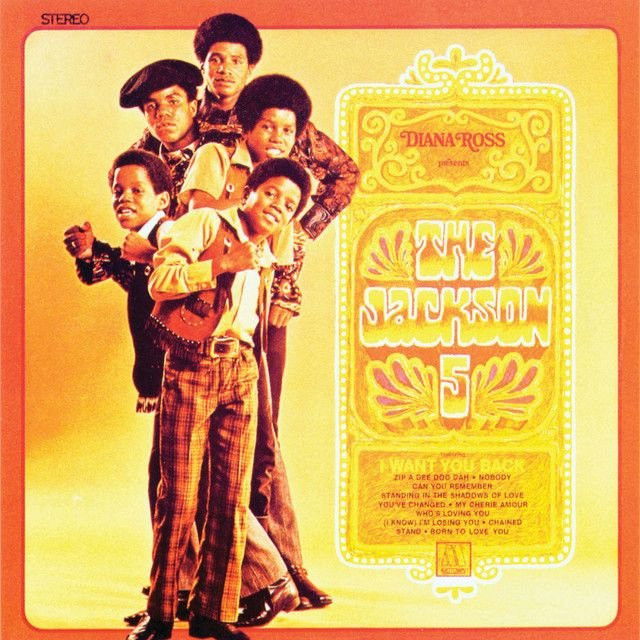
I Want You Back by The Jackson 5
A burst of joy masking a serious apology, The Jackson 5’s debut Motown single turned young heartbreak into pure motion. To many U.S. listeners, the meaning of I Want You Back The Jackson 5 is simple: a kid owns his mistake and begs for another shot. But the song’s craft—its story, sound, and delivery—makes that plea feel universal.
"I Want You Back" - The Jackson 5
Just let me tell you now
Uh-huh
Loading lyrics...
Unable to load lyrics
We're unable to display the lyrics at this time. Please try again later.
Regret Wrapped in Bubblegum Soul
At its heart, this is a confession-and-redemption arc. The narrator realizes he undervalued someone and now sees the cost. Short phrases like one long sleepless night
and tear stains on the ground
paint the fallout without dwelling on despair.
Interpretation: The song balances two emotions at once. The groove is sunny, but the message is contrite. That tension lets listeners dance with their feelings instead of sitting in them. The line I want you back
isn’t just a hook—it’s a thesis, repeated until resolve becomes action.
Watch the official I Want You Back
music video
A Young Voice Owning Mistakes
Michael Jackson—just 11 when the single dropped—sings from the first-person, admitting he was blind to let you go
. The perspective feels immediate. It’s not bitter or cynical, only urgent. That youthfulness turns remorse into hope, which is why the promise of one more chance
lands as believable.
Factual context: Motown’s in-house team The Corporation (Berry Gordy, Freddie Perren, Fonce Mizell, and Deke Richards) tailored the song to a young lead and launched the group with it. It became their first U.S. #1 and set off a string of hits. Those facts help explain why the performance sounds so polished: the team built a showcase for a prodigy and his brothers.
The Story in Three Quick Scenes
- Scene 1: He admits he took her for granted. Attraction and pride blurred his judgment.
- Scene 2: She’s with someone else now; the shock breaks his denial.
- Scene 3: He vows to fix it—trailing her steps, losing sleep, and promising he knows “wrong from right.”
Interpretation: The chase isn’t about control; it’s about accountability. The narrator’s movement from excuse to empathy is the song’s true turn.
The Hook That Won’t Quit
The chorus compresses the whole plea into two lines of plain speech:
Oh, baby, give me one more chance Won’t you please let me back in your heart
Interpretation: The rhyme is simple and direct, which keeps the focus on feeling. Repetition acts like resolve; each return to the hook sounds more certain than the last, as if he’s learning how to ask the right way.
How the Sound Sells the Apology
The arrangement is Motown at its most aerodynamic. It opens with a sparkling piano glissando—an inviting signal that something fun is coming. Then the bass, credited to Wilton Felder, springs to life, bouncing between melody and rhythm. Guitars from Louis Shelton and David Walker add bright punctuation, while Gene Pello’s drums snap the groove into place.
Call-and-response vocals let the brothers echo and answer the lead, turning a solo apology into a family plea. Handclaps and stop-start hits build little pockets of suspense before the chorus releases them. The production stays tight and clean, so nothing gets in the way of the message. It’s contrition you can dance to.
From Motown Bet to Pop Canon
Historically, this track mattered well beyond its three minutes. It was the Jackson 5’s first Motown single and hit #1 on the Billboard Hot 100 in early 1970. It also marked the rise of The Corporation, the West Coast writing/production unit Gordy assembled after Motown’s famed Holland-Dozier-Holland team departed. That shift helped map Motown’s move to Los Angeles and its next era of hits.
Culturally, the song keeps resurfacing. It powered key movie moments and inspired wide-ranging samples and covers, from hip-hop to modern R&B. Each revival proves how cleanly its message reads: mistakes happen; growth is possible; say what you mean.
Other Ways to Hear It
Interpretation: Some hear it as a school-crush story framed by adult stakes—serious feelings expressed in a playground register. Others hear a blueprint for pop apology: admit fault, act fast, and keep it catchy. A broader reading sees commentary on late-’60s pop itself—how youth, joy, and marketing intersected to sell real feeling without dampening it.
Final Take
The meaning of I Want You Back The Jackson 5 sits where rhythm meets remorse. The narrator learns in real time, and the band makes that lesson feel good. It’s an evergreen reminder: sincerity, said simply and set to a great groove, travels far.
Disclaimer: Interpretations are opinions based on the recording, credited information, and public history; listeners may reasonably read the song in other ways.








