Why 'Art School' Still Feels Defiant
The meaning of Art School The Jam starts with a simple idea: young people should not wait for permission to become themselves. In one of The Jam’s earliest statements, Paul Weller turns the idea of “art school” into more than a building or a course. It becomes a symbol of freedom, style, risk, and rebellion.
"Art School" - The Jam
Don't need permission for everything that you want
Any taste that you feel is right
Loading lyrics...
Unable to load lyrics
We're unable to display the lyrics at this time. Please try again later.
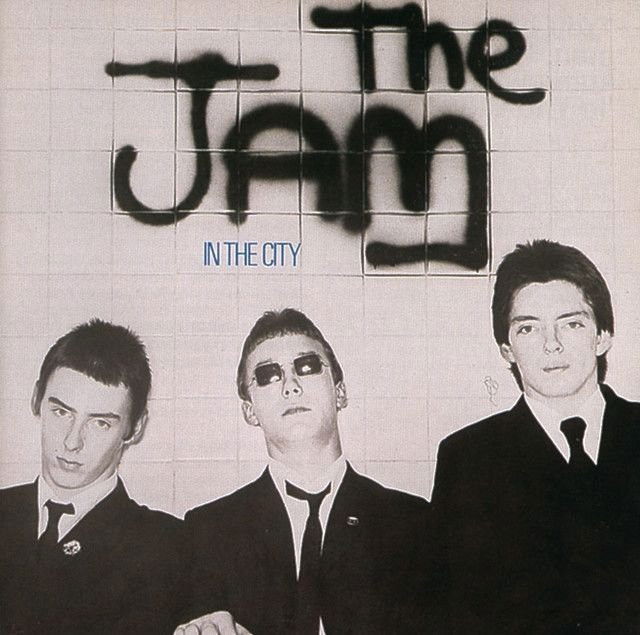
The song appeared on The Jam’s 1977 debut album, In the City, released during the first wave of British punk and new wave. That context matters. The band were often linked to punk’s energy, but they also drew heavily from 1960s mod style and sharp pop songwriting, as noted in band histories and album references such as AllMusic and Discogs. In that setting, “Art School” sounds like a manifesto for anyone trying to think independently.
More Than a Campus, It’s a State of Mind
At the heart of the song is a refusal to be controlled. The lyrics tell listeners they do not need approval for every choice they make. When the song praises wearing bright clothes and choosing what feels right, it frames self-expression as a right, not a luxury.
That is why the repeated phrase new art school
matters so much. It suggests a fresh social space where rules are weaker and imagination matters more. Interpretation: Weller may not be arguing that all real art schools are perfect. Instead, he seems to use the idea as a shorthand for a freer culture, one where taste is personal and individuality should be protected.

Watch the official Art School
music video
The Voice of the Song Pushes People Forward
The speaker is direct, urgent, and encouraging. They are not confessing private pain. They are pushing outward, almost like a friend giving a challenge. The message is: act now, before fear and routine take over.
That urgency is clear in short commands like do what you want
. The line is not just rebellious for its own sake. It answers a deeper problem: many young people are taught to hesitate, fit in, and wait for approval. The song argues that delay is dangerous because time moves quickly and youth does not last forever.
Why Time Matters Here
One key verse shifts from style and freedom to time itself. The song warns that moments pass quickly and that young ideas can disappear if nobody speaks clearly. In plain terms, it is not enough to feel original. People also have to say what they mean and defend it.
That gives the song more depth than a simple fashion anthem. It is about courage, but also about communication.
A Protest Against Gatekeepers
Another major part of the meaning of Art School The Jam is its attack on cultural authority. The lyrics question who gets to make rules and who has the right to judge what is “correct.” That challenge fits The Jam’s early career, when British youth culture was split between class expectations, media influence, and changing music scenes.
The sharpest attack lands on the press and television. The song’s complaint about media telling people what to think is blunt and memorable. Even decades later, it feels current. Whether the pressure comes from TV, critics, or social media, the basic issue is the same: outside voices often try to define what counts as good taste, acceptable style, or proper behavior.
Interpretation: In this reading, “Art School” is not anti-learning. It is anti-control. It does not reject ideas; it rejects cultural policing.
How the Sound Sells the Message
The music helps the meaning land fast. “Art School” is built from tight guitar work, a quick beat, and a lean arrangement that keeps everything moving. Early Jam recordings are often described as combining punk speed with mod precision, a blend discussed in sources like AllMusic. That balance matters here.
The song does not drift or brood. It charges ahead. That motion reinforces lines about urgency and independence. Weller’s vocal delivery is clipped and confident, which makes the advice sound less like theory and more like a dare.
There is also a bright edge to the performance. The energy feels youthful rather than heavy, which suits lyrics about bold clothes, public laughter, and standing out. Even when the song criticizes the media and social rules, it never loses its spark.
Two Strong Readings of the Song
There are at least two useful ways to read “Art School.”
- A celebration of self-expression. In this reading, the song says people should trust their taste, ignore mockery, and build identity through action.
- A critique of shallow conformity. In this reading, Weller is also mocking a society that pretends to value individuality while punishing anyone who really lives it.
Both readings fit the lyric that says some people laugh because they are threatened by confidence. The insult is not random. It suggests that ridicule often comes from insecurity.
Why It Still Connects
Part of what keeps the song alive is how little the central conflict has changed. Young people still face pressure to look right, think right, and move with the crowd. “Art School” pushes in the opposite direction. It tells them that taste can be personal, authority can be questioned, and fear of embarrassment should not run their lives.
That is the lasting meaning of Art School The Jam: it turns creativity into a form of resistance. Not grand, abstract resistance, but everyday resistance through clothes, words, ideas, and nerve.
Final Thought
“Art School” is a small, fast song with a big argument inside it. The Jam present independence as something active, not passive. They suggest that identity is made by choosing, speaking, and risking laughter.
That is why the track still feels fresh. It is not just about art students. It is about anyone trying to stay original in a world that rewards obedience.
Disclaimer: This interpretation is based on the lyrics, recording context, and known history of The Jam. As with any song, listeners may hear different meanings.








