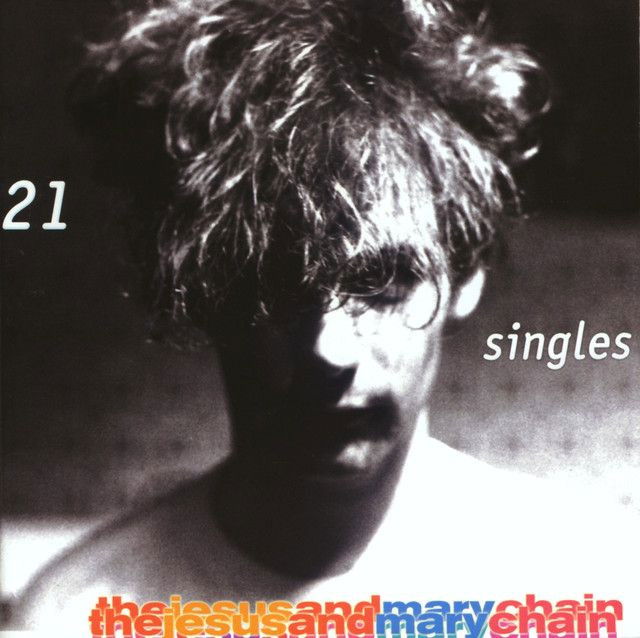
Darklands by The Jesus and Mary Chain
A Beautiful Song About Wanting Escape
The meaning of Darklands The Jesus and Mary Chain centers on inner conflict. They present a speaker who feels trapped between movement and paralysis, hope and despair, life and collapse. The song does not tell a detailed story with clear characters. Instead, it creates a mental landscape where every thought pulls in two directions.
"Darklands" - The Jesus and Mary Chain
To talk in rhyme
With my chaotic soul
Loading lyrics...
Unable to load lyrics
We're unable to display the lyrics at this time. Please try again later.
At its core, the song sounds like a portrait of depression, spiritual confusion, or emotional burnout. The speaker wants to leave, heal, or disappear, yet cannot fully act. That push-pull is the song’s engine. Even when they long for another place, something keeps them stuck.
The title itself matters. “Darklands” sounds like both a real place and a state of mind. Interpretation: it suggests a private territory of pain, where the speaker goes to face their own thoughts.
Watch the official Darklands
music video
The Voice Inside the Song
The lyrics are written in first person, but the feeling is broad enough that many listeners can step into it. The opening idea, with going to the darklands
, frames the song as a journey inward rather than outward. They are not just traveling somewhere; they are entering a darker version of themselves.
Soon, the language turns philosophical. When the song says life means nothing
, it does not sound like a cold argument. It sounds exhausted. The line feels less like a belief system and more like a moment of collapse, where meaning has become hard to find.
That mood deepens with heaven... too close to hell
. The song blurs spiritual opposites. Comfort and suffering sit side by side. Relief never feels far enough from danger.
How the Lyrics Build the Song’s Main Theme
One of the strongest things in “Darklands” is repetition. They keep circling the same needs and fears, which mirrors obsessive thinking. The wish to move is plain in I want to go
, but the song never lets that wish become freedom.
Instead, it introduces resistance: something won't let me
. That line is crucial to the meaning of Darklands The Jesus and Mary Chain. It names the force of emotional blockage without fully explaining it. The obstacle could be fear, illness, grief, addiction, guilt, or depression. The song’s power comes from leaving that pressure undefined.
Later, the conflict becomes even sharper. The speaker reaches a point where escape and staying seem equally strong.
I want to go I want to stay
I want to stay
This is the song in miniature. They want change, but they also cling to the familiar, even if the familiar hurts. Interpretation: that contradiction makes the song feel psychologically true. People in pain often want rescue and isolation at the same time.
Images of Fear, Illness, and Spiritual Collapse
The song uses a few vivid images rather than a lot of detail. That economy gives each one extra force. Dreams turn into waking terror with the phrase scary world of screams
, suggesting that sleep offers no real refuge. Even the mind’s private space is noisy and hostile.
Then the body enters the picture. The kneeling posture sounds like prayer, surrender, or total weakness. The image of a river linked to disease adds a physical sense of contamination and decline. This is not just sadness; it feels like the speaker is surrounded by something poisonous.
Interpretation: these details make the song feel almost gothic, but not theatrical. The pain is intimate. The speaker is not performing doom. They are drowning in it.
Why the Softer Sound Matters So Much
Context helps here. The Jesus and Mary Chain were known for feedback, distortion, and abrasive beauty, especially on their early work. But the 1987 album Darklands moved toward a cleaner, more melodic sound. That shift changes how the lyrics land.
Instead of burying the emotion in noise, the arrangement lets the sadness sit in plain view. The tempo is steady, almost dreamy. The guitars chime instead of attacking. Jim Reid’s vocal sounds detached, but not emotionless. They sing as if numbness has replaced panic.
That contrast is key. The music is gentle while the words are bleak. Because of that, the song feels less like an outburst and more like a long, heavy comedown. Interpretation: the softness makes the despair more believable, not less.
Artist Context and Reception
“Darklands” was written by brothers Jim and William Reid, credited as William Adam Reid and Billy Reid in the provided credits. It arrived during a period when the band was sharpening their pop instincts without losing their darkness. According to the band’s album history, that tension between sweetness and menace is part of what made them influential in alternative rock.
Reception over time has often focused on that balance. Fans and critics have treated “Darklands” as one of the group’s most emotionally direct songs. Even without a complex plot, it leaves a deep mark because it captures a familiar but hard-to-name feeling: wanting to disappear from pain without fully wanting to disappear from life.
Two Strong Ways to Read the Song
There are at least two persuasive readings:
- Mental health reading: The song describes depression or anxiety, where motion feels impossible and every thought bends toward dread.
- Spiritual crisis reading: The references to heaven, hell, kneeling, and dying suggest a loss of faith or a collapse in moral certainty.
These readings can exist together. The song never forces a single answer, and that ambiguity is one reason it lasts.
What “Darklands” Finally Leaves Behind
In the end, the meaning of Darklands The Jesus and Mary Chain lies in tension, not resolution. They create a song where the speaker aches for escape but cannot cleanly choose escape. That makes it sad, but also deeply human.
The song’s lasting power comes from how plainly it names emotional contradiction. They do not offer healing or a lesson. They simply stay inside the struggle long enough for listeners to recognize themselves in it.
Disclaimer: This interpretation is based on the lyrics, recorded performance, and available artist context. As with most great songs, listeners may hear different meanings in “Darklands.”







