Why The Judds’ “Grandpa” Still Hits Home
The meaning of Grandpa (Tell Me 'Bout The Good Old Days) The Judds starts with a simple question: were things ever as steady and decent as people remember? Instead of giving a speech, the song lets that doubt sit in the air. That is why it still feels powerful decades later.
"Grandpa (Tell Me 'Bout The Good Old Days)" - The Judds
Sometimes it feels like this world's gone crazy
Grandpa, take me back to yesterday
Loading lyrics...
Unable to load lyrics
We're unable to display the lyrics at this time. Please try again later.
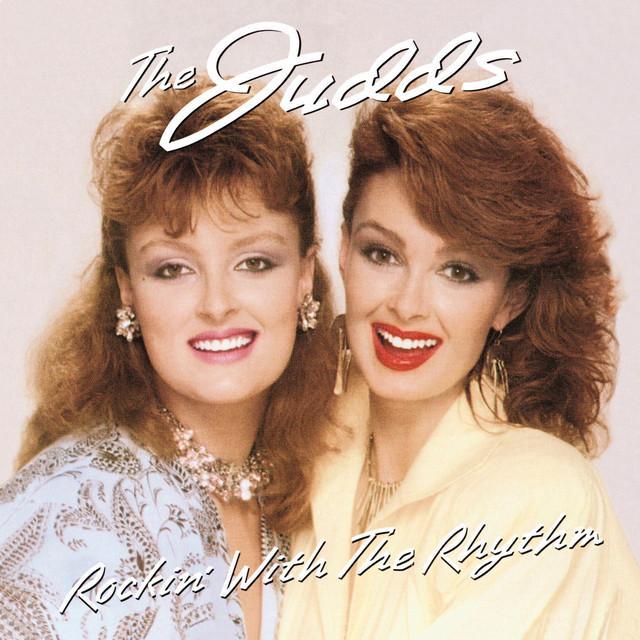
Recorded by The Judds for Rockin' with the Rhythm and released as a single in January 1986, the song was written by Jamie O'Hara and produced by Brent Maher. It became a No. 1 country hit and later won major Grammy honors for both The Judds and O'Hara, according to widely cited chart and award records.
A Conversation With the Past, Not a Lecture
At its core, the song is about anxiety over change. The narrator looks at modern life and feels that the moral lines are less clear than they once seemed. When they ask for the good old days
, they are not only asking for history. They are asking for reassurance.
That matters because the song never sounds smug. It does not claim to know that the past was perfect. Instead, it keeps asking questions about lasting love, prayer, and dependable fathers. The power comes from that uncertainty.
What the Questions Really Mean
Each question points to a larger fear:
- love may no longer feel permanent
- promises may feel easier to break
- faith may be less central in family life
- home may feel less secure for children
So when the singer asks whether people used to fall in love to stay
, the line is really about trust. When they wonder whether families still bow their heads to pray
, it is about shared values, not just religion.
Watch the official Grandpa (Tell Me 'Bout The Good Old Days)
music video
The Chorus Turns Nostalgia Into Worry
The chorus frames the whole song as a plea across generations. The repeated call to tell me 'bout the good old days
sounds warm on the surface, but it carries fear underneath. The narrator does not just miss the past. They worry the present has become unstable.
One especially sharp line is the reference to progress
. The song admits that society calls change improvement, but the narrator is not convinced. That tension keeps the lyric from being only sentimental. It becomes a critique of modern life, or at least a question about what modern life has cost.
When the line between right and wrongdidn't seem so hazy
Those lines sum up the emotional center. The song is not mainly about old-fashioned objects or small-town scenery. It is about clarity.
The Missing Answer Is Part of the Meaning
One of the smartest things about the song is that Grandpa never answers. That silence is crucial. If he answered directly, the song might become a lesson. Because he does not, listeners are left to think for themselves.
Interpretation: that silence suggests memory is complicated. Older generations may remember stronger communities and firmer values, but memory also tends to smooth over pain and contradiction. The song knows this, even if softly.
That is why it feels richer than a simple “everything used to be better” anthem. It honors longing without fully proving it.
Why The Judds Were the Right Voices
The song fit The Judds perfectly. Naomi and Wynonna built their identity around family harmony, emotional directness, and a rootsy country sound. Their mother-daughter dynamic gave songs about home and generational ties a built-in sincerity.
Songfacts reports that Wynonna reacted emotionally when she heard the song, and producer Brent Maher said anyone unmoved by it must have “a stone for a heart.” Naomi also said she knew it would be a major hit because of how deeply it connected the past and present.
That background helps explain the recording’s effect. They do not sing it like a political argument. They sing it like a family memory that still hurts.
How the Sound Carries the Message
The production is gentle, steady, and traditional. Maher avoids flashy choices, which lets the lyric stay front and center. The arrangement leans on the familiar textures country listeners expect from the era: soft acoustic framing, supportive rhythm, and restrained instrumental color.
Wynonna’s lead vocal does most of the emotional work. She sounds searching rather than certain. Naomi’s harmony adds warmth and grounding, almost like another family voice standing nearby.
That balance matters. A harsher arrangement could have made the song sound angry. Instead, it sounds tender and wounded. The music turns social concern into personal feeling.
Why It Landed So Strongly in 1986
The mid-1980s were full of public debate about family life, divorce, religion, and changing social norms. This song touched all of those nerves without sounding combative. It translated broad cultural concerns into intimate questions.
Its success supports that reading. The single reached No. 1 in both the United States and Canada, and it later earned Grammy recognition. Its afterlife has been strong too, with later digital chart activity and continued ceremonial use at funerals and family events.
A Lasting Interpretation
Interpretation: the song endures because it is really about grief for lost certainty. Some listeners hear a defense of traditional values. Others hear a childlike wish that adults, families, and communities could be trusted more fully. Both readings fit.
In the end, the meaning of Grandpa (Tell Me 'Bout The Good Old Days) The Judds is less about proving the past was better than about showing why people want to believe it was. The song gives voice to that ache with unusual grace.
Disclaimer: This interpretation blends documented facts about the song with critical reading of its lyrics and performance. Meaning can vary from listener to listener.








