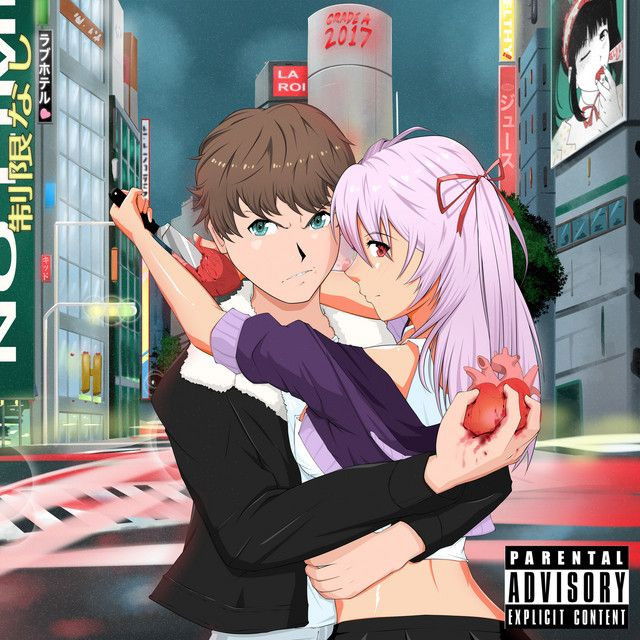
NOT FAIR by The Kid LAROI, Corbin
They call it a heartbreak song, but the meaning of NOT FAIR The Kid LAROI, Corbin is wider: it’s about how fear can warp love into a loop of dependence and doubt. The track reads like a late‑night confession from someone who wants comfort right now but can’t trust that it’s real tomorrow.
"NOT FAIR" - The Kid LAROI ft. Corbin
I don't know her but she saying that she miss me
Rolling with that .450
Loading lyrics...
Unable to load lyrics
We're unable to display the lyrics at this time. Please try again later.
Love That Hurts, Comfort That Isn’t Real
The narrator begs for reassurance even if it’s fiction. Lines like tell me lies
show a need for soothing more than truth. They know this is risky, yet they keep asking for emotional anesthesia because real intimacy feels out of reach.
Interpretation: LAROI paints a codependent push‑pull—he resents being blamed for chaos he can’t control, but he also invites it to avoid feeling alone. The song’s title phrase, it's not fair
, becomes both a complaint and an admission that he’s stuck in a cycle he partly sustains.

Watch the official NOT FAIR
music video
Who’s Talking, And Why Corbin Matters
This is first‑person storytelling. They speak to a romantic partner and to their own reflection. Corbin’s spectral presence isn’t just a feature; his tone acts like conscience and echo. When he leans into phrases like too scared
, it colors the whole song with dread.
Factually, the track credits Charlton Howard (The Kid LAROI) and Corbin Smidzik (Corbin) as writers, alongside Bobby Raps and Charlie Handsome, who also produced it. That team’s moody palette and Corbin’s vaporous delivery deepen the sense of emotional fog.
A Night in Five Beats
- The spiral begins with adrenaline and avoidance—a defensive posture, flashing danger and isolation.
- They plead for rescue before they go too far, asking for comfort on demand.
- In the hook, they admit staying power and numbness: it’s unfair, but they won’t leave.
- Money and weapons appear as false shields; bravado covers fear, not strength.
- Finally, they pull back from full commitment: they want love but can’t give all of themselves.
Each beat sharpens the central conflict: craving closeness while expecting collapse.
What the Hook Confesses
It's not fair No matter what, I'm still gon' be here
Those two lines are the song’s paradox. They complain about the imbalance but also promise loyalty. Interpretation: this is the emotional trap—resentment and devotion living together. It’s why the narrator keeps returning for reassurance, even when they believe it might be fake.
Symbols That Sting: Cars, Guns, Diana, Money
The fast car image—drive me to hell
—frames love as a thrill with a crash at the end. It’s not a romantic getaway; it’s a joyride toward ruin. The gun talk stands in for hyper‑vigilance, a way to control what can’t be controlled.
The “Princess Diana” reference is a jarring pop‑culture echo: fame, flashbulbs, and a fatal crash. Interpretation: they see love under attention as combustible; public pressure can turn affection into spectacle. Money appears as both magnet and mask—status attracts people but empties trust. The narrator watches that play out and doubles down on distance.
When they claim they’re better off dead
, it’s not a plan—it’s the sound of worthlessness leaking through. Interpretation: the line signals how numbness and self‑loathing feed the loop. It’s the darkest way to say, “I don’t like who I am in this.”
How the Sound Carries the Meaning
Production choices amplify the unease. The beat is sparse, with gloomy pads and a drum pocket that leaves room for breath. Reverb smears edges so the vocals feel alone in a big room. LAROI’s delivery is urgent and cracked at points; that strain sells the fear behind the flex. Corbin floats above, distant but intimate, like a memory.
Bobby Raps and Charlie Handsome are known for moody textures, and they keep the palette cold and minor‑key. Nothing in the mix resolves cleanly—no big key change, no cathartic lift—so the looped feeling of the chorus hits harder each time.
Two Plausible Readings
- Interpretation: It’s a fame parable. The guns, cars, and “Diana” namecheck aren’t literal; they’re symbols for how public life makes love unsafe and turns comfort into performance.
- Interpretation: It’s a trauma response. The narrator equates closeness with danger, so they ask for scripted comfort (
tell me lies
) while keeping an exit. That’s why they confess beingtoo scared
to be fully themselves.
Both readings fit because the song keeps blurring real and pretend on purpose.
Takeaway: Why It Hits
The meaning of NOT FAIR The Kid LAROI, Corbin lands because it names a modern bind: wanting love fast, filtered, and safe—yet fearing what honesty will cost. It’s unfair, the song admits, but it’s also familiar.
Disclaimer: Song meanings are interpretive and may differ from the artists’ intent or listeners’ personal experiences.







