When You Were Young by The Killers
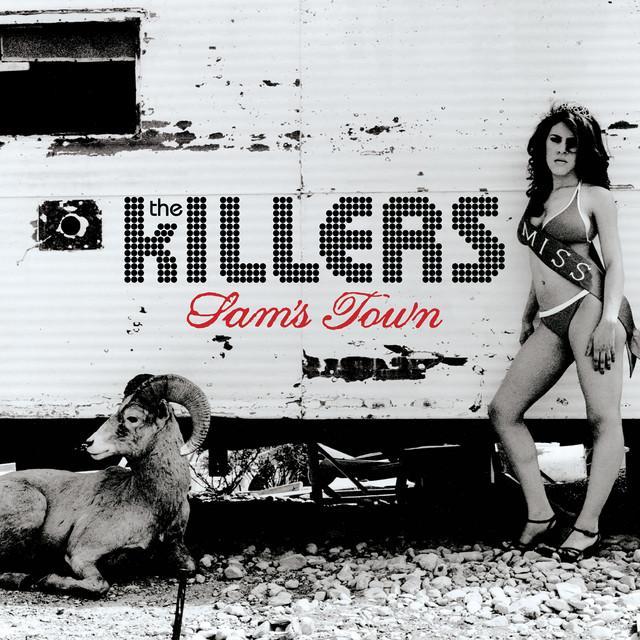
The meaning of When You Were Young The Killers comes down to a hard truth: growing up often means seeing that the people, dreams, and escapes once imagined as perfect are more complicated in real life. Released as the lead single from Sam's Town in 2006, the song arrived after the band's breakthrough with Hot Fuss and showed a broader, more American-rock sound, a shift widely noted by sources like Songfacts.
"When You Were Young" - The Killers
Waiting on some beautiful boy to
To save you from your old ways
Loading lyrics...
Unable to load lyrics
We're unable to display the lyrics at this time. Please try again later.
The Big Idea Behind the Song
At its core, the song is about disillusionment, but not in a bitter way. They frame that feeling as a normal part of growing older. The person in the lyrics seems to be waiting for someone to rescue them from pain, old habits, or confusion. The song opens with emotional stillness, then pushes into motion.
That is why the famous line about someone who doesn't look like a savior matters so much. The phrase look a thing like Jesus
is not just about religion. It points to idealization. The person hoped for someone pure, glamorous, or life-changing, but the real person is human, flawed, and less simple than the fantasy.

Watch the official When You Were Young
music video
Youthful Fantasies Meet Adult Reality
One of the song's smartest moves is how it compares memory to desire. The phrase when you were young
is more than nostalgia. It suggests a time when belief came easier and expectations were cleaner. Back then, love could feel heroic, and change could seem simple.
Interpretation: The song may be speaking to someone who built their identity around romantic or spiritual hopes and is now learning that maturity means letting go of perfect images. That does not mean hope dies. It means hope becomes real.
A Story Told Through Movement
The lyrics keep shifting between stillness and motion. First, someone sits in heartache. Then the song climbs, drives, burns, and spins. This creates a small emotional plot:
- They begin in longing and disappointment.
- They chase transformation through love or escape.
- They face temptation and uncertainty.
- They are pulled back by memory.
The mountain line is especially important. climb this mountain
turns adulthood into a steep challenge. The answer is not confidence but hesitation. That small doubt makes the song feel honest.
Why the Chorus Hits So Hard
The chorus works because it connects desire to memory. The person in the song does not just want love; they want the version of love they once imagined. The phrase talks like a gentleman
shows that part of the fantasy still survives. Even if the savior image is gone, charm and performance remain powerful.
That tension is the heart of the track. The real person falls short, yet still carries enough of the dream to tempt belief. This is why the song feels both romantic and skeptical at the same time.
The Symbols That Carry the Meaning
The song uses bold images to make inner conflict feel huge.
The highway and hurricane
When the band sings about a skyline and storm, they turn emotion into speed and danger. The phrase back of a hurricane
suggests being carried by forces that started long ago. Youth is not just remembered; it still moves the present.
The old home in memory
When the song mentions seeing the place someone used to live, it shows how the past returns in flashes. Memory is not cozy here. It is haunting. It reminds them of who they were before adult compromises set in.
The “devil’s water” image
The line about temptation is one of the clearest warnings in the song. It suggests that destructive pleasures may look manageable at first. Brandon Flowers later said on Song Exploder that the culture of excess surrounding early success quickly felt wrong to him, a context noted by Songfacts. That makes the temptation imagery feel personal as well as poetic.
How the Sound Deepens the Message
Part of the meaning of When You Were Young The Killers comes from its sound. According to Songfacts, Brandon Flowers told NME the song is built on a repeating progression with small variations. That simplicity matters. It gives the track a driving, almost fated momentum, as if the characters are locked into a cycle of memory and desire.
The production is huge: pounding drums, ringing guitars, and a vocal that reaches upward instead of inward. Critics often connect this to Bruce Springsteen-style heartland rock, and that influence fits. The sound makes private disappointment feel epic, like a personal crisis unfolding on an open highway rather than in a bedroom.
Artist Context Matters Here
Flowers wrote the song at age 24 after the band's Hot Fuss world tour, according to Songfacts. That timing helps explain its perspective. They were still young, but already looking back on youth as something partly lost. That gives the song its strange power: it is nostalgic and disillusioned at once.
It was also written by all four members—Brandon Flowers, Dave Keuning, Mark Stoermer, and Ronnie Vannucci Jr.—which fits the band's full-band push toward a bigger second-album statement.
Final Reading: Not Cynical, Just Awake
In the end, the song is not saying youthful dreams are foolish. It is saying they leave a mark. People still chase old images of rescue, love, goodness, and freedom long after they know better. That is why the song feels so alive: it understands that growing up does not erase longing.
The most convincing reading is that the track captures the moment when innocence turns into experience without fully disappearing. They may know the dream was incomplete, but part of them still wants it.
Disclaimer: This interpretation is based on the lyrics, verified artist context, and common critical readings. As with any song, listeners may hear different meanings in it.