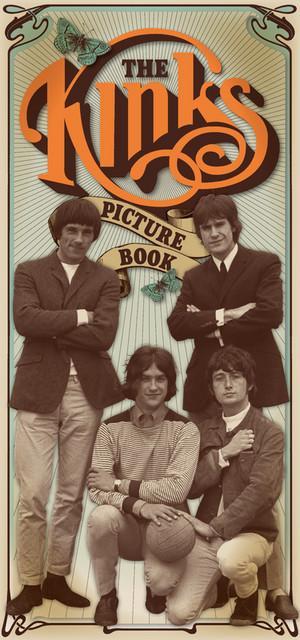
Picture Book by The Kinks
The meaning of Picture Book The Kinks comes down to a simple but powerful idea: photographs help people hold onto time, even when time keeps moving. The song looks at family snapshots, old vacations, childhood images, and relatives frozen in place. What sounds light and catchy also carries a deeper feeling about aging, memory, and the wish to keep love visible.
"Picture Book" - The Kinks
You're sat by the fireside a-pondering on
Picture book, pictures of your mama
Loading lyrics...
Unable to load lyrics
We're unable to display the lyrics at this time. Please try again later.
Written by Ray Davies and released by The Kinks in 1968 on The Kinks Are the Village Green Preservation Society, the song fits the group's larger interest in English daily life, nostalgia, and ordinary people. Factually, Ray Davies is credited as the writer, and the song appears on that landmark album. The article cannot place live links in the body here, but reliable sources include the official Kinks site, album liner notes, and major discographies.
A Family Album Turned Into a Song
At its core, the song invites listeners to imagine old age and then look backward. The opening sets that frame with the idea of sitting later in life and thinking back. From there, the recurring phrase picture book
becomes more than an object. It is a container for personal history.
The images in the lyric are not glamorous. They are domestic and familiar: parents, an uncle, a holiday, a baby photo, a sunny afternoon. That choice matters. The song suggests that the most meaningful parts of life are often the ordinary ones people barely notice while they are happening.
Interpretation: the track is not only praising family photos. It is also showing how memory edits life into highlights. A photo album can make the past seem neat, happy, and complete, even if real life was messier.
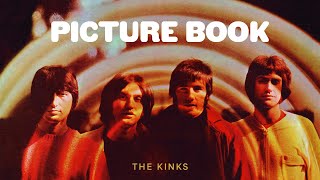
Watch the official Picture Book
music video
Why the Chorus Feels So Warm
The hook repeats long time ago
and circles back to family pictures. That repetition matters because it acts like someone flipping pages and lingering on each memory for a second longer than expected.
The chorus does not move the story forward. Instead, it deepens the feeling. By returning to old images again and again, the song mirrors the way people revisit favorite memories. The listener hears nostalgia as a loop, not a straight line.
There is also a subtle tension here. The music sounds bright, but the repeated backward glance hints at loss. If those moments were only in the past, then the album is both comfort and proof that time cannot be stopped.
Small Details, Big Themes
One reason the song works so well is its eye for detail. It mentions family roles and specific scenes rather than abstract ideas. A phrase like your mama and your papa
makes the memory feel intimate and universal at once.
The mention of fat old uncle Charlie
adds humor and realism. This is not an idealized, saintly family portrait. It feels like a real album full of teasing, affection, and imperfect relatives. That warmth keeps the song grounded.
Then there is the childhood angle. The line about when you were just a baby
pushes the song toward innocence. It suggests that photographs often become evidence of a happiness people cannot fully return to, only revisit.
The photo as proof
One of the sharpest ideas in the lyric is that pictures seem to prove people loved each other. That is a striking thought. Photos do not explain a whole relationship, but they do capture gestures, proximity, and shared presence.
Interpretation: Ray Davies may be suggesting that people use pictures to reassure themselves that their lives mattered, their families were real, and their best moments truly happened.
How The Kinks' Sound Carries the Meaning
The song's arrangement is crucial to the meaning of Picture Book The Kinks. It has an easy, bouncing rhythm and a singalong quality that make memory feel communal rather than private. The playful syllables and relaxed delivery stop the song from sounding solemn.
That matters because the lyric could have been melancholy if sung slowly. Instead, The Kinks make nostalgia sound lived-in and friendly. The performance feels like a family gathering where someone pulls out an album and everyone starts laughing before they get sentimental.
The production also matches the band's late-1960s style: concise, melodic, and character-driven. On Village Green, The Kinks often focused on preservation, loss, and the passing of older ways of life. "Picture Book" fits perfectly because it turns personal memory into a miniature version of that larger theme.
More Than Nostalgia
It would be easy to call the song a simple celebration of the past, but that misses part of its power. The opening invitation to imagine getting old gives the whole song a future shadow. These pictures are precious because life changes.
There is also a question hiding inside the cheerfulness: do photographs preserve reality, or do they preserve a version of reality people want to keep? Family albums usually show smiles, holidays, and childhood scenes, not conflict or boredom.
Interpretation: the song may gently critique nostalgia even as it enjoys it. It knows memory is selective. That is why it feels so human.
Why It Still Connects
The song remains relatable because nearly everyone understands the emotional pull of old images. Today that might mean phone galleries instead of printed albums, but the feeling is the same. People still look back to measure change, loss, love, and identity.
That is why the meaning of Picture Book The Kinks still lands with modern listeners. It captures a universal experience: the strange mix of joy and ache that comes from seeing life frozen in a frame.
In the end, "Picture Book" is about more than photographs. It is about how people build stories from fragments and use those stories to remember who they were.
Disclaimer: This interpretation blends verifiable context with informed reading of the lyrics and sound. As with any song, listeners may hear meanings that differ from this one.







