
Wellerman by The Longest Johns
They turned a 19th‑century whaling ballad into a modern sing‑along about grit, community, and the promise of supplies just over the horizon. If you’re wondering about the meaning of Wellerman The Longest Johns, it’s less a simple sea tale and more a portrait of workers who keep going because hope keeps calling.
"Wellerman" - The Longest Johns
And the name of that ship was the Billy o' Tea
The winds blew hard, her bow dipped down
Loading lyrics...
Unable to load lyrics
We're unable to display the lyrics at this time. Please try again later.
A Supply Ship, A Stubborn Whale, and A Working Life
At its core, the song follows a crew aboard the Billy o’ Tea
locked in a long fight with a right whale. The refrain longs for the Wellerman—a supply ship—to bring comforts like sugar, tea, and rum so the crew can get through the grind of whaling and processing.
Interpretation: The chorus turns logistics into morale. Provisions aren’t just goods; they are motivation and a promise that the hard labor will end.
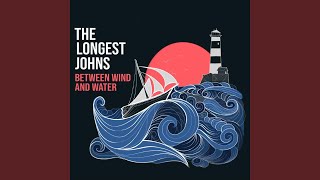
Watch the official Wellerman
music video
Who’s Telling the Tale, and What They Want
Most verses are told from a storyteller’s distance, but one line—As far as I’ve heard
—adds a human voice, like a sailor passing the story around a fire. They want endurance and an endpoint: the crew sings of finishing the dirty work and finally leaving.
That desire is summed up in the final stretch, where the line's not cut
and the whale still isn’t gone. Even when the goal keeps slipping, hope returns whenever the Wellerman makes his regular call
.
From Cast‑Off to Standoff: The Story in Order
- The ship heads out and quickly sights a right whale.
- They strike early, but the whale drags them into a long chase.
- The captain refuses to quit; the crew loses boats and time.
- Supplies—and the idea of relief—become the chorus they live by.
- The legend ends open‑ended: the struggle goes on, but so does resolve.
The Chorus as a Survival Mantra
Soon may the Wellerman come
To bring us sugar and tea and rum
One day, when the tonguing is done
We’ll take our leave and go
The hook reframes every verse: survival depends on small, regular comforts and a finish line after the toughest task. Interpretation: The chorus is a coping mechanism—sing the end into existence until it arrives.
Symbols, Slang, and History Behind the Words
- Wellerman: supply ships tied to the Weller brothers’ 1830s New Zealand shore‑whaling network.
- Tonguing: butchering the whale, cutting blubber into strips for oil.
- Billy: slang for a makeshift kettle—another nod to tea and daily ritual.
Factually, “Wellerman” is a ballad or sea song rather than a strict work shanty. The Longest Johns themselves have explained it wasn’t used to pace labor but sung for recreation. Their version landed on their 2018 album Between Wind and Water and later rode the wave of a wider 2021 resurgence of sea songs online. The details—right whales, shore stations, and supply chains—come from New Zealand’s whaling history.
How The Sound Carries the Meaning
The Longest Johns arrange it a cappella: stacked harmonies, a firm pulse, and call‑and‑response. When the lead calls blow, me bully boys
, the group answers like a crew hauling together. The tempo sits in a steady middle ground—stompy enough to feel communal, relaxed enough to invite anyone to join.
Production choices keep the voices front and center. Tight blend and minimal ornamentation highlight the melody’s simplicity, which makes the chorus feel like a shared work chant even if it’s not technically a shanty. The dynamic swells mirror the plot: energy rises with each sighting, then settles back into the patient, hopeful refrain.
Why It Resonated: Today’s Listeners, Yesterday’s Crew
Interpretation: The song’s endurance is about more than whales. It’s about waiting for the delivery that keeps you going—payday, a message, a care package. The promise of the Wellerman echoes modern dependence on supply chains and the small treats that brighten long weeks.
It also celebrates collective voice. Singing this together makes the hard parts bearable—just like the crew who sang to outlast weather, danger, and routine. In tough times, the chorus offers a simple, repeatable hope.
Alternate Readings That Still Hold Water
- Interpretation: A labor ballad about company dependence. The Wellerman symbolizes a supply system that controls pace and morale; sugar, tea, and rum are both reward and leash.
- Interpretation: An endless‑task parable. The whale is any job that never quite finishes; the chorus promises patience until the day it finally does.
Closing Line
The meaning of Wellerman The Longest Johns boils down to communal resilience: keep the line tight, share the song, and wait together for the next ship of hope.
Disclaimer: Song interpretations are opinions based on available lyrics, history, and recordings; your personal reading may differ.








