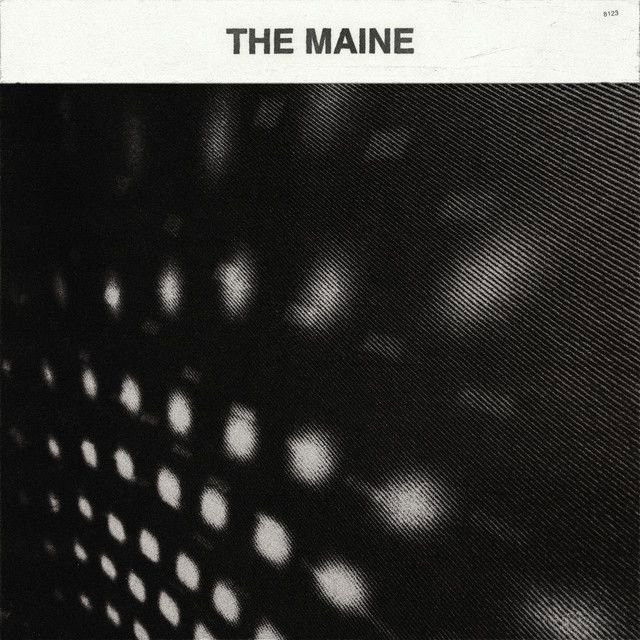
blame by The Maine
What’s the real meaning of Blame by The Maine? This high-gloss pop-punk single turns a breakup autopsy into a mirror for internet-age anxiety. It asks a blunt question: is it easier to heal if one person takes the fall?
"blame" - The Maine
Adderall and television
Play it like a politician
Loading lyrics...
Unable to load lyrics
We're unable to display the lyrics at this time. Please try again later.
Below, a plain-English guide to the meaning of Blame by The Maine—how its lyrics, symbols, and sound work together.
A confession wired for the internet age
The song opens in a rush of overstimulation—Adderall and television
—and image management—play it like a politician
. Right away, they frame modern life as a feedback loop of control and performance. The target is not just a former partner; it’s the urge to curate.
Shots at social metrics—couple hundred likes
—underline the dopamine chase. According to band interviews, the track reflects how living online shapes reaction and regret, even folding in new-parent jitters and joy from frontman John O’Callaghan’s life. That context pairs cleanly with the lyrics’ restless eye and jittery energy.
Who owns the fault line?
The chorus offers a stark solution: It’s easier if I’m to blame
. Musically, the lift of the hook makes that surrender feel almost triumphant. Lyrically, it’s a psychological tactic. If they accept the role of villain, then debate stops, and closure can start.
Interpretation: the narrator is choosing control over correctness. Owning blame isn’t about truth; it’s about moving forward. That lines up with O’Callaghan describing the song as a message to himself about placing and accepting responsibility, even when he wishes he could redo things.
Swipe, regret, repeat: the song’s plot points
Blame sketches a familiar cycle in a few sharp beats:
- Overstimulation and posturing swamp judgment (chemicals, screens, politics of self-image).
- The relationship story diverges:
We both got stories
, signaling that memory is subjective. - To end the tug-of-war, the singer volunteers to take the hit. “Blame it all on me,” they imply, trading accuracy for relief.
- In the bridge, they release resentment—
I won’t hold it against you
—which reframes blame as a boundary instead of a burden. - The outro loops the word “blame,” echoing how these mental habits repeat until someone breaks them.
Memory, feeds, and the masks we wear
Blame’s images double as symbols:
- Substances and screens: They hint at quick fixes and numb escapes that distort recall. The twitching eye becomes a tell for unease that won’t quit.
- Politicians and know-it-alls: These figures suggest spin, certainty, and refusal to listen—traits that tank honest repair.
- Algorithms and likes: The “reward system” favors outrage and hot takes. Disappointing that system becomes an act of resistance: choosing sincerity over virality.
- Aerosol and tunnel vision: The urge to sanitize the past and focus on one angle only, even when it shrinks the truth.
Interpretation: the song argues that neither side’s memory is complete. The narrator stops chasing the best narrative and chooses the kindest exit.
How the sound sharpens the sting
Produced by Colby Wedgeworth, Blame hits with a tight three-minute punch: crisp drums, driving bass, chiming guitars, and handclaps that reportedly came from a spontaneous studio moment. The arrangement balances muscle and gloss—classic The Maine—so the hook lands like a rallying cry rather than a sulk.
That contrast matters. The bright, kinetic mix makes a heavy subject feel active, not mopey. It turns accountability into momentum. The band’s radio presence backs that up; the single reached the upper half of U.S. Alternative Airplay in 2023, showing how the melody-first approach widens the song’s entry points.
The chorus, decoded
At first, It’s easier if I’m to blame
reads like self-erasure. But the next lines insist that two stories coexist. The refrain functions as a pressure valve: the singer doesn’t deny the other person’s pain; they refuse to get trapped in a point-by-point trial.
Interpretation: the hook reframes blame as a tool. It’s not a confession of total guilt; it’s a choice to stop litigating the past in public or in private DMs.
Alternate angles that also fit
- Breakup lens: A partner accepts the villain edit to help the other move on, even if the truth is messier.
- Self-to-self lens: The narrator talks to their past self, pledging to own mistakes while ditching shame.
- Culture lens: The song jabs at outrage economies, where assigning fault is content. Choosing peace “disappoints the algorithm,” but frees the person.
Final takeaway
If you’re searching for the meaning of Blame by The Maine, here’s the heart of it: accountability as liberation. By accepting a simplified blame, the narrator escapes an endless, online-style debate and makes space for growth. That’s why the track feels both catchy and cathartic.
Disclaimer: This analysis is an interpretation. Listeners may reasonably read the lyrics in other ways, and the band’s own intent can evolve over time.
Sources
- https://en.wikipedia.org/wiki/Blame_(The_Maine_song)
- https://substreammagazine.com/2023/06/the-maine-announce-new-self-titled-album-release-new-single-blame/
- https://www.phoenixnewtimes.com/music/the-maine-interview-2023-john-ocallaghan-garrett-nickelsen-17349293
- https://www.allmusic.com/album/blame-mw0003998852/credits








