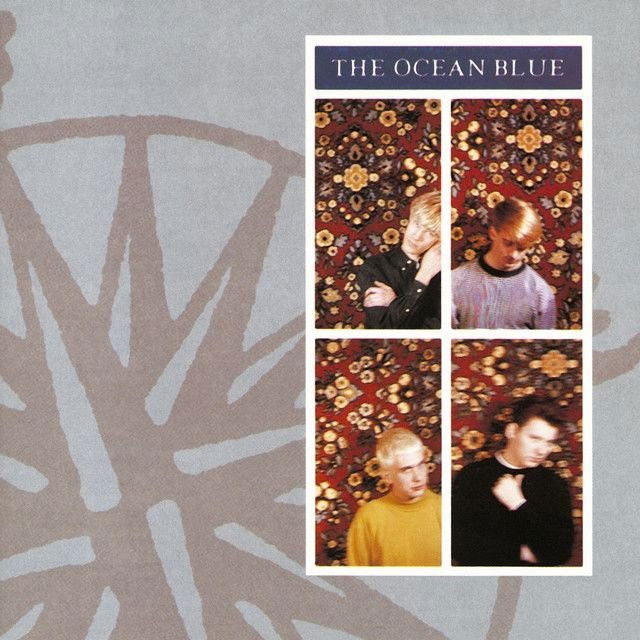
Myron by The Ocean Blue
The meaning of Myron The Ocean Blue centers on a search. On the surface, the song tells of a rider moving through darkness and bad weather, calling for someone named Myron. Beneath that simple story, though, it feels like a song about loss, family, and the painful task of trying to find oneself.
"Myron" - The Ocean Blue
His horse so swiftly flew
The wind, it beat him down
Loading lyrics...
Unable to load lyrics
We're unable to display the lyrics at this time. Please try again later.
The Ocean Blue released “Myron” on their 1989 self-titled debut album, a record that came out on July 21, 1989, and later reached No. 155 on the Billboard 200. The album was recorded at Eden in London and is commonly described as alternative rock, indie pop, jangle pop, and new wave. Its credited producers include Mark Opitz and John Porter, according to the album’s documented release information in the sources listed below.
A Search Song Hiding Inside a Ballad
At first, “Myron” sounds almost like a folk tale. A figure rides through the night while wind and rain push against him. He keeps calling, Where are you hiding
, which gives the track its emotional engine. The question is simple, but the feeling behind it is not.
Interpretation: the missing person may not only be a person. The song gradually turns that search inward. In its last movement, the lyric says he went looking for the truth, then for his parents, then for himself. That shift suggests Myron may stand for a lost piece of identity, not just a body in the dark.

Watch the official Myron
music video
Why the Repetition Hurts
The repeated cry of He cried Myron
matters because it never gets resolved. The song does not offer a reunion or a clear answer. Instead, it keeps circling the same wound.
That repetition gives the track a haunted quality. Each return to the name sounds less like a clue and more like grief. Even when the words stay the same, the meaning grows: first it feels like panic, then longing, then something close to spiritual confusion.
A chorus built on absence
Most choruses provide release. This one does the opposite. By repeating Where are you hiding
, the song keeps the listener in suspense.
Interpretation: that is why the chorus feels bigger than the plot. It turns absence into the main subject. The singer is not simply looking for Myron; they are trapped inside not-knowing.
The Weather Is Really Emotion
The imagery is spare, but it is effective. Phrases like As night was falling down
and The rain, it beat him down
frame the journey as punishing. The storm is not just scenery. It acts like pressure from the outside world.
Then the lyric moves to The tears from heaven fell
. That phrase links personal sadness with something cosmic, almost biblical. The grief does not feel private anymore. It feels universal, as if the sky itself joins the mourning.
This kind of writing fits The Ocean Blue’s early style. Their debut album often balanced pretty melodies with melancholy undertones, and retrospective reviews have praised the band’s gift for “simple, beautiful hooks and melodies,” as AllMusic wrote in a later assessment of the album.
Family, Truth, and the Self
The most revealing lines come near the end, when the song expands the search. Instead of only chasing Myron, the rider goes looking for truth, for his mother, for his father, and finally for himself.
That sequence is important because it creates a chain:
- truth
- family origins
- personal identity
Interpretation: the song suggests these things are connected. To know who they are, they may need to understand where they come from. Myron, then, may be a stand-in for a lost brother, a memory, a childhood self, or even a hidden truth within the family story.
He went looking for the truth
He went looking for his mom
He went looking for his dad
He went looking for himself
This is the song’s clearest emotional key. It transforms a moody nighttime search into a coming-to-terms moment about roots and identity.
How the Sound Carries the Meaning
Even without dense lyrics, “Myron” gains power from The Ocean Blue’s musical language. The band’s debut is known for shimmering guitars, melodic bass, and an airy alternative-pop atmosphere. In that setting, a sad song can feel fluid and dreamlike instead of heavy-handed.
That matters here. A harder arrangement might have made “Myron” feel like a dramatic chase scene. The Ocean Blue’s style makes it feel blurred, distant, and reflective, as if the rider is moving through memory as much as through weather.
Because the band came from the late-1980s alternative and jangle-pop world, their emotional tone often rests in contrast: bright textures, aching mood. “Myron” uses that contrast well. The music likely softens the edges of the story while making the loneliness last longer.
A Few Strong Ways to Read It
There is more than one valid reading of the meaning of Myron The Ocean Blue:
Reading one: a literal missing-person search
The song can be heard as a compact narrative about someone riding through a storm, calling for Myron and refusing to give up.
Reading two: a search for identity
The ending strongly supports this. The movement toward parents and self turns the missing person into a symbol of inner loss.
Reading three: spiritual or existential longing
Because the weather imagery feels larger than life, and because the singer wonders why suffering is happening, the song can also sound like a plea for meaning in a confusing world.
Why “Myron” Still Lingers
“Myron” endures because it says a lot with very little. It uses a name, a storm, and a repeated question to express grief that keeps changing shape. By the end, the listener understands that the real destination is not just Myron. It is truth, family, and self-recognition.
That is what makes the song quietly moving. It begins like a scene and ends like a mirror.
Disclaimer: This article offers interpretation based on the lyrics, available album facts, and the band’s musical context. Because The Ocean Blue have not provided a definitive line-by-line explanation here, some meanings remain open to listener interpretation.








