Why "Jurassic | Cretaceous" Feels So Human
The meaning of Jurassic | Cretaceous The Ocean starts with extinction, but it does not stay in prehistory. The song turns the fall of the dinosaurs into a warning about human pride, environmental collapse, and the shock of realizing that power does not equal safety.
"Jurassic | Cretaceous" - The Ocean
You're no longer innocent
And no this did not come out of the blue
Loading lyrics...
Unable to load lyrics
We're unable to display the lyrics at this time. Please try again later.
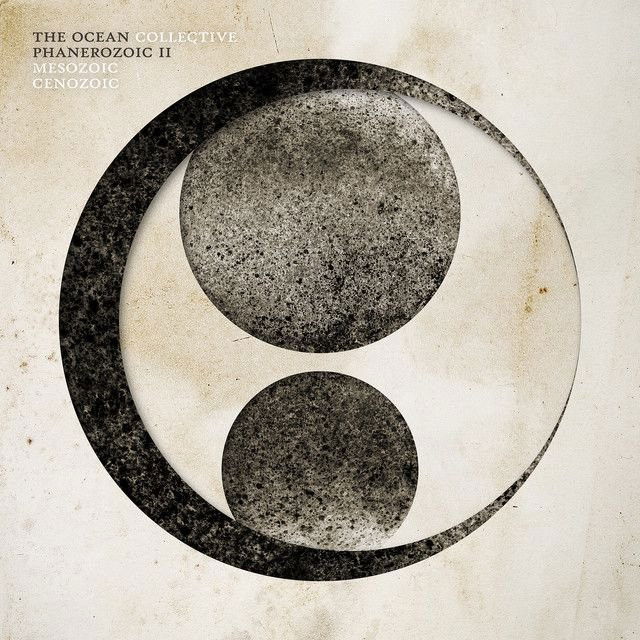
The Ocean are known for building concept-heavy metal around geology, time, and Earth history, especially on albums like Phanerozoic II: Mesozoic | Cenozoic and in coverage from labels and music press such as Metal Blade and Prog Magazine. That context matters here: they are not using ancient history as decoration. They are using it as a mirror.
A Prehistoric Story With a Modern Target
On the surface, the song describes the end-Cretaceous catastrophe. The lyrics mention planetary collision, heat, debris, darkness, and ecosystem failure. Those details match the broad scientific picture of the asteroid impact that helped drive the mass extinction event, as outlined by sources like the Natural History Museum and Britannica.
But the song’s emotional center is not simple narration. It keeps shifting from distant history into accusation. Early lines like pieces are shattered
and you’re no longer innocent
make the disaster feel personal, almost like a confrontation. That move suggests the track is not only about what happened then. It is also about how people react when a long-building crisis becomes impossible to deny.
Interpretation: The song casts humanity as the new reptiles—large, dominant, confident, and blind to how quickly dominance can end.
Watch the official Jurassic | Cretaceous
music video
When the Lyrics Turn Warning Into Judgment
One of the smartest things the song does is merge two scales at once. Some lines sound like a fight between speaker and listener, while others zoom out to planetary destruction. The phrase keep pushing the needle in
suggests repeated harm or pressure. In plain terms, the lyrics imply that the collapse was not random from the victim’s point of view; warning signs were already there.
That idea becomes clearer with the repeated image out of the cave
. The song describes a species stepping into a changed world and feeling that the climate is shifting. They do not fully understand the ending yet, but they can sense it.
Lie awake
It won't be long
It's coming close
This brief refrain captures dread before impact. The disaster has not fully landed, yet fear has already arrived.
Extinction as a Mirror for Human Arrogance
The bluntest thematic key comes later: we are just like reptiles
. That line removes any doubt about the song’s wider target. The band is drawing a direct comparison between prehistoric rulers and modern humans.
In other words, the song argues that every age believes it is permanent. Dinosaurs once ruled the planet, and now humans act with a similar certainty. The lyric about being wiped off the face
cuts through that illusion. Survival is fragile. Scale does not save anyone.
This is where the track feels especially contemporary. The song mentions “indecent errors,” fire, atmospheric change, and systems breaking down. Even without naming modern policy or industry, it invites a reading tied to climate anxiety and civilizational hubris.
Interpretation: The asteroid is both a literal event and a symbol of any unstoppable consequence after long denial.
How the Science Images Deepen the Meaning
The lyrics get unusually specific about aftermath: red-hot atmosphere, eclipsed sunlight, reduced photosynthesis, forest fires, stripped trees, and falling debris. Those are not random disaster images. They describe a chain reaction where one cosmic strike turns into total ecological collapse.
That precision matters because it makes the song less mythic and more material. Extinction here is not abstract fate. It is a systems failure. Once sunlight is blocked and plant life falters, the rest follows.
That scientific framing has long been part of The Ocean’s identity. Their work often translates Earth science into emotional drama, a trait noted in album commentary and reviews around their conceptual releases from outlets like Kerrang! and The Prog Report.
Why the Music Feels Like Impact
The production helps deliver the meaning. The Ocean often build songs through contrast: tense, atmospheric passages open space, then dense guitars and pounding drums arrive like a physical event. That structure fits this song perfectly.
The quieter, watchful sections feel like sensing weather before disaster. Then the heavier passages land with the force of collision. Vocals also matter. The performance shifts between restrained warning and full-throated collapse, making the song feel less like a history lesson and more like an experience.
Interpretation: The arrangement behaves like extinction itself—first a signal, then a shockwave, then a long blackout.
A Final Image of Emptiness
The last stretch leaves behind action and lands in despair. “Melancholia” arrives, hope fails, and the song closes on existential emptiness. That ending is important because it refuses triumph, revenge, or rebirth. It sits in the silence after the fire.
That is the deepest layer in the meaning of Jurassic | Cretaceous The Ocean: not just that worlds end, but that species often recognize the truth too late. The song’s power comes from making ancient extinction sound immediate, intimate, and painfully current.
The Short Takeaway
“Jurassic | Cretaceous” is about the dinosaur extinction on its face, but its real subject is human vulnerability. By comparing modern people to ancient rulers who vanished almost instantly, The Ocean turn prehistory into a warning about pride, denial, and collapse.
Disclaimer: This interpretation is based on the lyrics, the band’s broader themes, and publicly available context. Song meaning can remain open to multiple readings.








