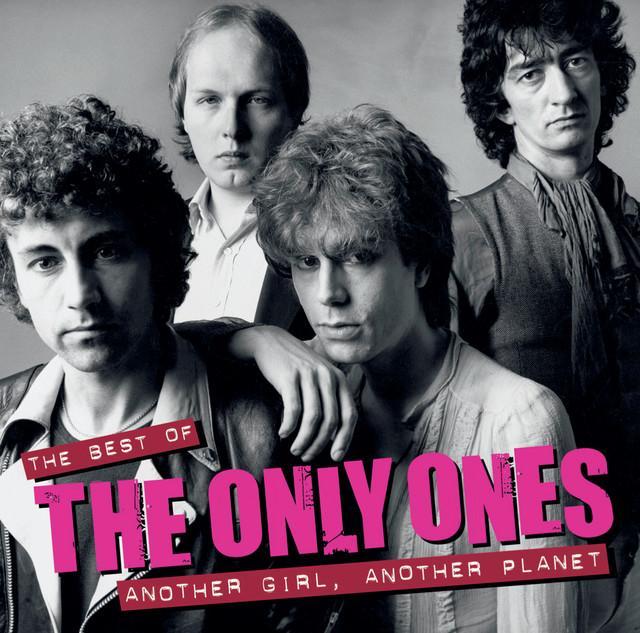
Why The Only Ones' Darkest Song Still Stings
The meaning of Why Don't You Kill Yourself The Only Ones is not simple because the song is built to shock. Its title sounds brutally direct, but the lyric underneath feels more like a portrait of emotional collapse, disgust, and failed rescue than a clean statement of belief.
"Why Don't You Kill Yourself" - The Only Ones
It turned into affliction
He never listens!
Loading lyrics...
Unable to load lyrics
We're unable to display the lyrics at this time. Please try again later.
The Only Ones were a late-1970s British rock band led by Peter Perrett, best known for mixing sharp guitar rock with damaged romance and dry wit. Basic band history and Perrett's role are widely noted in standard references such as AllMusic and Discogs. That context matters here: they often paired catchy music with bleak or unstable feelings.
A Song Built From Contempt and Helplessness
At its core, the song sounds like one person addressing someone they believe cannot be saved. The opening quickly frames a relationship that has gone rotten. A purpose becomes an illness, and attempts to warn or help have failed. When the singer says once I had a mission
, they suggest they may have tried to guide, protect, or fix the other person.
But that mission turns bitter. The target is described as someone who never listens and always creates false alarms. The phrase cry wolf
matters because it paints a cycle of drama, need, and distrust. The speaker no longer believes the other person's pain, even if that pain is real.
Interpretation: this is a song about compassion curdling into cruelty. The most disturbing chorus line works as the ugliest possible version of "I'm done trying to save you."

Watch the official Why Don't You Kill Yourself
music video
The Chorus Is Shock, But Also Defeat
The chorus is the reason the song is remembered, and also the reason it needs care in interpretation. Rather than treat it as advice, it makes more sense to hear it as a verbal weapon. The line you ain't no use
shows the real emotional core: the speaker has started judging a person's worth in purely cruel, utilitarian terms.
That makes the song less about death itself and more about dehumanization. The speaker is so drained, angry, or detached that they reduce the other person to a burden. That is why the chorus lands as ugly and tragic, not triumphant.
For many listeners, the harshness also carries a streak of black humor. The Only Ones often worked in a space where romantic ruin and sarcasm sat side by side. Here, that sarcasm is pushed to a dangerous extreme.
Angels, Demons, and a Personal Hell
One of the most revealing parts of the lyric is its strange spiritual language. The song brings in a demon sent to tempt ya
and later flips that image with an angel. Those details make the conflict feel bigger than a simple argument.
The song's imagery suggests a person surrounded by temptation, self-sabotage, and judgment. Fire, hell, and missionary talk all hint at moral drama. Yet the speaker undercuts any real sermon by calling it friendly advice
, which is obviously sarcastic. That joke makes the song even colder.
Interpretation: the angel-and-demon pairing may show two failed paths to salvation. Punishment does not change the person. Desire does not change them either. In that reading, the song presents someone stuck beyond both threat and seduction.
A Small Story of Failed Rescue
The lyric can be read as a short narrative:
- The speaker begins with a sense of purpose.
- The other person's behavior turns that purpose into affliction.
- Warnings are ignored.
- The person falls deeper into misery.
- The speaker gives up and lashes out.
That sequence makes the song feel less random than its title suggests. It tracks the emotional journey from involvement to contempt. Even the gutter image supports this arc. The speaker hears someone calling from below but cannot, or will not, fully respond.
There is also a telling late detail about repeated sickness and a body wearing down. Without overexplaining it, the lyric points toward addiction, collapse, or compulsive behavior. That gives the song a grim realism beneath its theatrical language.
How the Sound Sharpens the Meaning
Musically, the song's force comes from contrast. The Only Ones were rooted in punk-era energy, but they also had melodic instincts and wiry guitar interplay, qualities often noted in overviews of the band's style at Trouser Press and AllMusic. That combination matters here.
The arrangement does not sound mournful in a soft, confessional way. It sounds brisk, pointed, and almost casual. That musical lift makes the words harsher. Perrett's delivery often feels cool rather than explosive, which can make the insults sound eerily matter-of-fact.
In other words, the production refuses to signal moral comfort. There is no swelling redemption. The track lets bitterness sit in the open.
The Strongest Alternate Reading
There is another way to hear the meaning of Why Don't You Kill Yourself The Only Ones. Instead of treating the speaker as someone telling hard truths, listeners can hear them as compromised too. Their words may reveal their own emptiness, not just the other person's failures.
That reading makes the song a portrait of toxic intimacy. One person is self-destructive; the other responds with disgust instead of care. Neither side looks healthy. The song then becomes less a judgment than a scene of mutual ruin.
Why It Still Feels So Uncomfortable
The song lasts because it does not clean up its own ugliness. It captures the moment when empathy disappears and cruelty takes over. That is emotionally recognizable, even when the wording is extreme.
For listeners trying to understand the meaning of Why Don't You Kill Yourself The Only Ones, the key is not to flatten it into a slogan. It is a bitter character sketch, a collapse of compassion, and maybe a satire of how "tough love" can become pure contempt.
Disclaimer: This interpretation is based on the lyrics, performance, and available artist context. As with many songs, meanings can vary from listener to listener.







