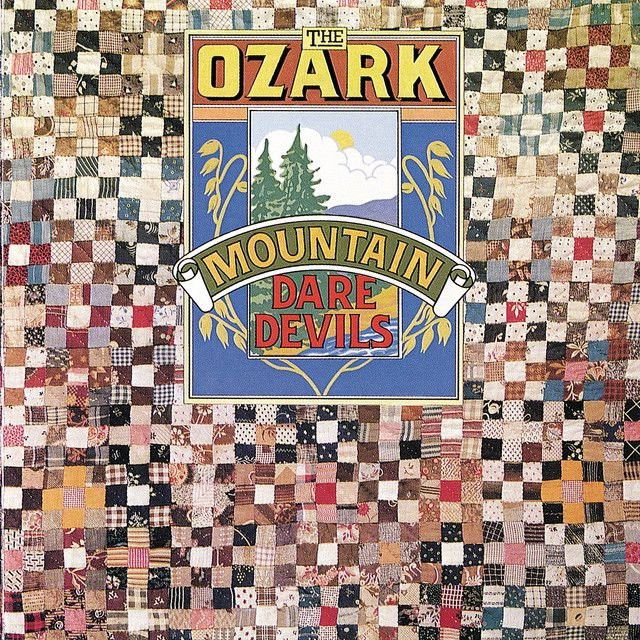
If You Wanna Get To Heaven by The Ozark Mountain Daredevils
The meaning of If You Wanna Get To Heaven The Ozark Mountain Daredevils starts with a joke that also works like a life rule. On the surface, the song is rowdy and funny. Under that easygoing sound, it argues that real living is messy, earthy, and learned through experience, not through rules handed down from a distance.
"If You Wanna Get To Heaven" - The Ozark Mountain Daredevils
I never saw it on a show
But i heard it in the alley on the weird radio.
Loading lyrics...
Unable to load lyrics
We're unable to display the lyrics at this time. Please try again later.
Released in 1973 on the band’s debut album, the song became the Ozark Mountain Daredevils’ first major hit, reaching No. 25 on the Billboard Hot 100. That success matters because the song captures the image that made them stand out: Missouri musicians mixing country, rock, folk color, and a laid-back but rebellious streak.
The Big Idea Hiding in a Barroom Chorus
At the center of the song is a cheerful contradiction. The repeated line about getting to heaven by needing to raise a little hell
is not really a religious statement. It is a playful way of saying that a full life cannot be lived by staying clean, quiet, and scared.
Interpretation: the song treats “heaven” as joy, truth, or freedom. “Hell” stands for risk, trouble, noise, and rule-breaking energy. Put together, the chorus says people may have to get a little wild before they become fully themselves.
That idea fits the whole lyric. The singer does not learn wisdom from books, TV, or official voices. Instead, truth arrives from the street, from chance, and from rough places where polite society does not usually look.
Watch the official If You Wanna Get To Heaven
music video
Lessons From the Alley, Not the Classroom
The verses build this idea carefully. Early on, the narrator says they never found the answer in a book and instead heard it in the alley
on a strange radio. That image matters because it places wisdom outside formal education and outside respectable culture.
This is one of the song’s best moves. It does not reject knowledge itself. It rejects secondhand knowledge that never touches real life. The alley is dirty, local, and alive. The weird radio sounds like folk wisdom passing from one outsider to another.
A short section shows the pattern well:
I never read it in a book
I never saw it on a show
But I heard it in the alley
on the weird radio.
The point is not anti-intellectual. It is anti-phony. They suggest that some truths are only learned by listening to ordinary people, accidents, music, and the world outside neat systems.
The Chorus Turns Common Sayings Upside Down
Several lines sound like folk sayings. If someone wants water, they need the well. If someone wants a secret, they must earn trust. If someone wants to see an angel, they may need to look where it fell. Each image says the same thing: if people want something real, they have to go to the source.
That is why the chorus lands so well. It turns a moral lesson into a grin. Instead of preaching, the band offers a backwoods riddle. The listener laughs first, then catches the meaning.
Interpretation: the song believes purity is overrated. Human beings do not become better by pretending they have no rough edges. They grow by facing desire, chaos, and contradiction honestly.
Sound That Sells the Message
The production helps the meaning as much as the lyrics do. The track was produced by David Anderle and Glyn Johns, according to Songfacts. Johns was known for roomy, natural rock recordings, and that feel is all over this song.
The groove is loose but sturdy. The guitars, drums, and rootsy swing give the song a front-porch swagger rather than a polished studio shine. It sounds like a group of players enjoying the trouble they are singing about.
The vocal delivery matters too. They do not sing the message with guilt or anger. They sing it with a wink. That tone changes everything. A harsh performance could make the lyric sound cynical. Here, it sounds liberating.
Artist Context Makes the Words Clearer
The Ozark Mountain Daredevils came out of Springfield, Missouri, and their image was tied to long hair, regional pride, and a mild outlaw spirit. That background helps explain why the song does not feel like big-city rebellion or heavy political protest.
Instead, it feels local and homemade. The “hell” in the song is not evil. It is rowdiness, humor, drinking, dancing, playing loud, and refusing to act overly proper. In that sense, the lyric matches the band’s Southern rock identity almost perfectly.
The song’s staying power also supports this reading. It has lived on through covers, films, and even video game radio because its message is simple and catchy: life is better when people stop acting too pure to get their hands dirty.
Two Strong Ways to Read It
There is more than one good reading of the song:
- A rebel-life anthem. It says freedom requires a little noise and trouble.
- A creativity anthem. It says great art comes from the margins, from what the singer heard and then put into
rock and roll
. - A spiritual joke with a serious point. It says grace can be found in fallen places, not just clean ones.
All three readings fit the lyric. The key image of hearing something in the alley and carrying it forward suggests transformation. Experience becomes music. Trouble becomes wisdom.
Why the Song Still Connects
The meaning of If You Wanna Get To Heaven The Ozark Mountain Daredevils endures because it speaks to a common American feeling: distrust of polished answers and respect for lived experience. People still respond to songs that say truth is found close to the ground, not high above it.
In plain terms, this song celebrates imperfect freedom. It tells listeners that if they want joy, depth, or maybe even a kind of salvation, they may need to stop fearing a little disorder. That does not mean destruction. It means accepting that real life is untidy.
That is why the song still feels fresh. It is funny, rootsy, and rebellious without becoming mean. It invites people to loosen up, listen harder, and find the sacred in places others overlook.
Disclaimer: This interpretation is based on the lyrics, recording context, and public sources. As with any song, listeners may hear meanings that differ from this reading.








