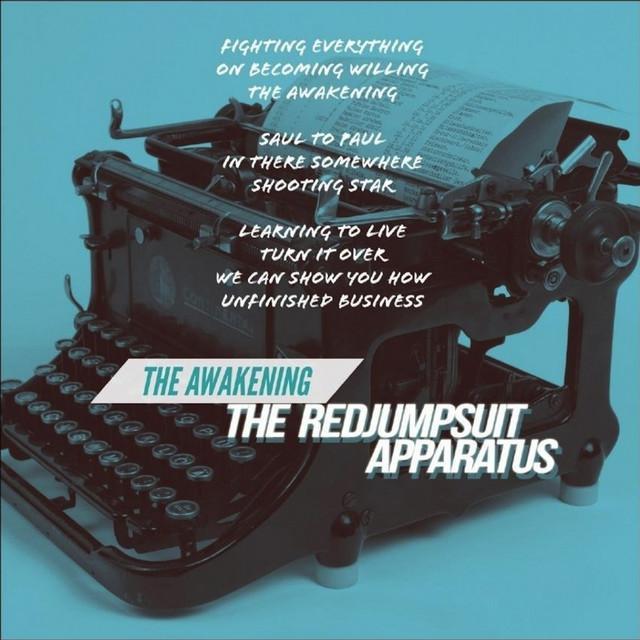
Why 'On Becoming Willing' Feels Like a Last Prayer
The meaning of On Becoming Willing The Red Jumpsuit Apparatus centers on a person in severe emotional pain who finally becomes willing to ask for help. The song is not subtle about its crisis. It opens with a mind that feels awake and trapped at the same time, then moves quickly toward a desperate plea for relief.
"On Becoming Willing" - The Red Jumpsuit Apparatus
It's never enough
I have depth to my cup
Loading lyrics...
Unable to load lyrics
We're unable to display the lyrics at this time. Please try again later.
What makes the track hit so hard is that it does not present recovery as easy or complete. Instead, it captures the moment before healing: the instant when someone admits they cannot carry the weight alone.
A Breaking Point, Not a Victory Lap
At its core, the song sounds like a confession from someone who has run out of inner strength. Early lines describe a state of exhaustion and emotional overload. When the speaker says not asleep
but needing to wake up, they suggest numbness, denial, or spiritual drift rather than physical rest.
That tension grows worse when the lyrics hint at self-harm and finality. The line about ending it all is brief, but it changes the stakes of the whole song. This is no passing bad mood. It is a portrait of a person standing very close to the edge.
Interpretation: the title matters here. “Becoming willing” does not mean becoming happy. It means becoming open to surrender, honesty, and help.

Watch the official On Becoming Willing
music video
The Chorus Turns Pain Into Prayer
The emotional center of the song is the repeated call to Father can you feel me?
That phrase frames the song as a prayer, or at least as a cry directed toward a higher power. In Christian language, “Father” strongly suggests God, and The Red Jumpsuit Apparatus have often been discussed in relation to faith-adjacent themes within rock and post-hardcore culture, especially around the era of Don’t You Fake It and later material covered by outlets like AllMusic.
The next images deepen that spiritual reading. When the speaker says I'm on my knees
and reaching out
, the song links emotional collapse with prayer posture. Then comes the key image: light in my heart's burned out
. That is the clearest sign that the song is about more than sadness. It suggests lost hope, lost faith, or the feeling that their inner source of life has gone dark.
Father can you hear me?
I need you now
the light in my heart's burned out
In that short refrain, the song reduces everything to need, distance, and urgency.
How the Story Moves From Despair to Reach
Even though the lyrics are repetitive, there is still a clear emotional timeline:
- They admit they are not okay.
- They hint that life feels unbearable.
- They search for another way out.
- They turn outward and ask for help.
That third step is easy to miss, but it matters. The line about there still being time to find a way out introduces the smallest opening in the song. It is not optimism in a bright, triumphant sense. It is survival instinct.
This is where the title becomes especially meaningful. The speaker is not healed by the end. They are simply willing to reach beyond themselves.
Why the Repetition Matters So Much
The song repeats its main plea again and again, and that repetition is part of the meaning. In everyday writing, repetition can feel redundant. In this song, it sounds realistic. People in panic often circle the same thought because they cannot move past it.
Interpretation: each return to the chorus feels like a renewed attempt to be heard. The speaker is not making a polished speech. They are stuck in the same emergency, asking the same question, hoping the answer changes.
That is also why the small shift from “feel me” to “hear me” matters. One asks for emotional connection. The other asks for direct response. Together, they show someone who wants both comfort and intervention.
The Sound Makes the Lyrics More Urgent
The Red Jumpsuit Apparatus are known for combining melodic emotion with post-hardcore pressure, a style noted by sources such as Encyclopaedia Britannica in describing the broader genre’s blend of intensity and tunefulness. In this track, that approach fits the words perfectly.
The arrangement likely lands with a heavy, rising force rather than a soft devotional mood. The guitars and drums create tension, while Ronnie Winter’s vocal style pushes the lyrics toward panic. He does not sound distant or cool. He sounds strained, immediate, and deeply invested in the plea.
That matters because the song could have been written as a quiet prayer. Instead, it feels like a prayer shouted from inside a storm.
A Spiritual Song, but Not Only That
The strongest reading is spiritual: a believer, or at least a seeker, crying out to God in a moment of collapse. Still, the song can work in a broader way too. “Father” may be heard by some listeners as any protective figure they wish could step in and save them.
That flexibility helps explain why songs like this connect. Even listeners who do not share the same faith background can recognize the need underneath it: the wish for someone to answer when they are in pain.
The Lasting Meaning of the Song
The meaning of On Becoming Willing The Red Jumpsuit Apparatus is ultimately about surrender at the darkest hour. It captures the frightening point where despair becomes a plea, and where the first sign of hope is not relief but willingness.
That is why the song lingers. It does not promise easy rescue. It honors the harder truth that sometimes the bravest thing a person can do is admit they need help.
Disclaimer: This interpretation is based on the released lyrics, the band’s style, and common thematic readings. Songs can support more than one valid meaning.







