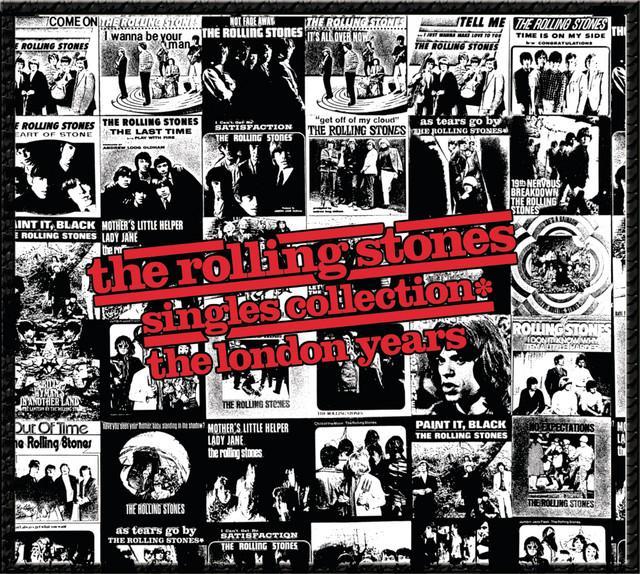
Paint It, Black by The Rolling Stones
They don’t just sing about sadness—they repaint the whole world to match it. The meaning of Paint It, Black The Rolling Stones centers on grief so heavy that color itself becomes unbearable. The opening wish, I see a red door
and want it painted black
, announces a mind trying to erase reminders of life after a shocking loss.
"Paint It Black" - The Rolling Stones
No colors anymore I want them to turn black
I see the girls walk by dressed in their summer clothes
Loading lyrics...
Unable to load lyrics
We're unable to display the lyrics at this time. Please try again later.
The Door Turns Dark: What the Song Confronts
At heart, this is a mourning song. The narrator wants the external world to mirror inner emptiness. Color becomes a code for feelings: red and blue for vitality, black for numbness. When he insists everything must turn dark, he’s trying to control pain by controlling perception.
Interpretation: the repeated desire to blacken the world isn’t cruelty—it’s self-protection. By dulling brightness, he reduces the sting of memory.
Watch the official Paint It Black
music video
Who’s Speaking When Color Disappears?
The voice is first-person and inward-facing. He confesses, I look inside myself
and finds my heart is black
. That’s not a cartoon villain’s boast; it’s the blunt, depressive truth of someone stunned by loss.
He rarely addresses anyone else. This reads like a private monologue overheard—a mind circling an obsession, not an argument with a lover or friend.
A Simple Story in Five Scenes
The lyrics move in vivid snapshots:
- A bright door becomes unbearable:
I see a red door
. - A funeral image arrives:
I see a line of cars and they’re all painted black With flowers and my love both never to come back
- He stares inward and admits his heart’s changed.
- He imagines the light gone, the sun
blotted out from the sky
. - He clings to a fantasy reunion
before the morning comes
—a wish that breaks as day returns.
The Hook as a Spell, Not a Chorus
Structurally, the song is a simple-verse form—no standard refrain. Yet the chant of “paint it, black” functions like a mantra. Each repetition renews a spell to keep grief from spilling over. The pressure builds until the frantic coda releases it.
Black, Red, Sun: Symbols That Do the Heavy Lifting
- Black: the speaker’s emotional climate—absence, numbness, denial.
- Red door: an entrance to life and love that now feels hostile.
- Sun: hope and continuity. Wanting it
blotted out from the sky
signals a desire to stop time and memory. - Cars and flowers: cues of a funeral procession, confirming the song’s mourning frame.
- Turning the head away: a survival reflex, not apathy.
Sitar, Fretless Bass, And A March Toward Psychedelia
The sound tells the story as much as the words. Brian Jones’s sitar gives the melody its raga-like pull, a droning tension that suits obsession. Bill Wyman’s bass, with its sliding, fretless feel at phrase ends, adds a queasy gravity. Hammond organ and castanets color the edges, while Charlie Watts drives a pulse that’s urgent but restrained.
Andrew Loog Oldham produced the track in 1966, and it opened the U.S. edition of Aftermath. Mick Jagger later called it “this kind of Turkish song,” pointing to its Middle Eastern/Eastern aura. Historically, it hit No. 1 in both the U.S. and U.K. and is widely recognized as the first chart-topping single to feature sitar. Decades on, it earned a Grammy Hall of Fame induction, underscoring its lasting impact.
Other Readings That Listeners Hear
Interpretation: while the text most plainly depicts personal bereavement, two alternatives persist.
- Wartime lens: In the 1960s, some heard a Vietnam echo—the disconnect of soldiers returning to a bright homefront that feels wrong. The funeral imagery fits this reading, though the song never names a war.
- Psychological lens: A portrait of clinical depression. Lines about isolation, denial, and self-erasure describe a mind trying to control an uncontrollable hurt.
Both readings work because the song keeps the cause of loss unsaid, letting listeners supply their own story.
Takeaway: Why It Still Stings
The meaning of Paint It, Black The Rolling Stones endures because it makes mourning tactile. Color turns into feeling; instruments mimic fixation; the form traps us in the loop. It’s grief rendered as a spell—one they cast, and we can’t quite break.
Disclaimer: Song meaning is interpretive. This reading blends lyrical analysis with known production context and public reception.








